REVIEW · WAIHEKE ISLAND
Waiheke Island History and Heritage Tour
Book on Viator →Operated by Terra & Tide · Bookable on Viator
Want Waiheke with meaning, not just photos? This Māori-perspective tour shows Waiheke through stories tied to carving, traditional tattooing, native plants, and the fortified pa sites that dot the island. You’ll start with sea views across the Hauraki Gulf, then move into places that explain how people lived, adapted, and survived here.
I especially love the mix of big-sky orientation plus hands-on cultural context. The sea views from the start give you bearings fast, and the walk to pa ruins turns the island into something you can read and understand. One possible drawback: it’s still a guided day with walking through native bush and toward a summit area, so you’ll want decent shoes and a good attitude for uneven ground.
In This Review
- Key things I’d circle first
- Getting oriented on the water: Oneroa and the Hauraki Gulf
- The Māori perspective on Waiheke: carving, tattooing, and language
- Beaches, viewpoints, and the stories attached to them
- Native bush walk: medicinal plants and native birds
- Pa summit and archaeological remains: kumara pits and shell middens
- Lunch at a local café, plus optional tasting stops
- Pace, group size, and what to bring for a 6-hour day
- Price and value: what you’re really paying for
- Who this tour fits best
- Should you book this Waiheke Island History and Heritage Tour?
- FAQ
- Is the ferry from Auckland included?
- What time does the tour start?
- How long is the tour?
- Where do I meet the guide?
- Is lunch included?
- How big is the group?
- Can I cancel for free?
Key things I’d circle first
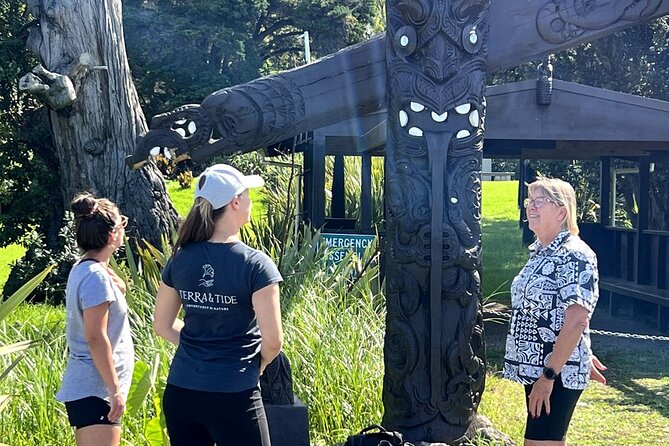
- Māori-first storytelling about carving, tattooing, language revitalisation, and colonisation’s impacts
- Small group (max 12) so your guide can slow down and answer your questions
- Native bush walk with medicinal plant uses and a pause for native birds
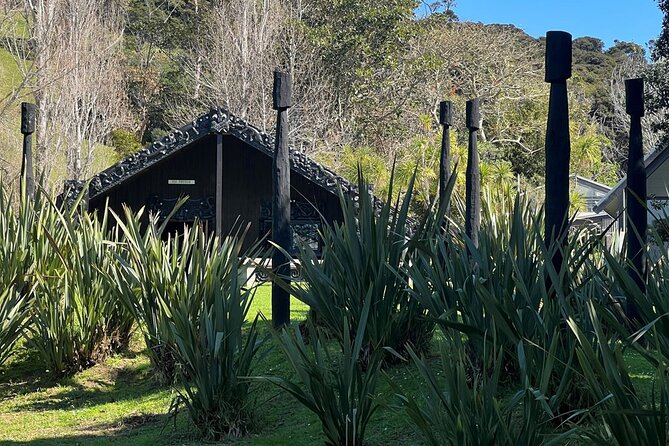
- Pa summit visit with visible remains like kumara pits, shell middens, and defensive terraces
- Time built in for lunch at a local café, plus optional tastings if you choose
Getting oriented on the water: Oneroa and the Hauraki Gulf
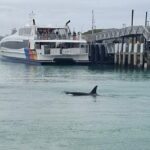
You meet at the Fullers360 Matiatia ticket office area in Oneroa (1 Ocean View Road, Auckland 1081). The start time is 9:45am, and the day is designed to line up with Waiheke’s ferry rhythm, with you back in time for the 4pm return ferry. If you’ve never done Waiheke before, this timing is actually a help: you’re not stuck trying to “figure it out” after you land.
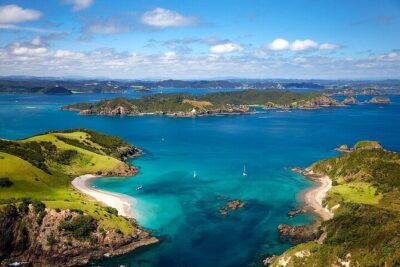
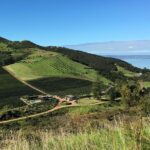
The first part of the tour is an orientation around the island with standout sea views across the Hauraki Gulf, Auckland City, and out toward the Pacific Ocean. Even if you’ve seen photos of Waiheke, this gives you the geography in a way that’s useful later. You start noticing where bays face, where the coast bends, and why certain spots matter to communities.
If your goal is to leave with a mental map (not just a phone full of shots), this opening section delivers. It also sets expectations: this isn’t only about beaches, it’s about people and place.
You can also read our reviews of more historical tours in Waiheke Island
The Māori perspective on Waiheke: carving, tattooing, and language
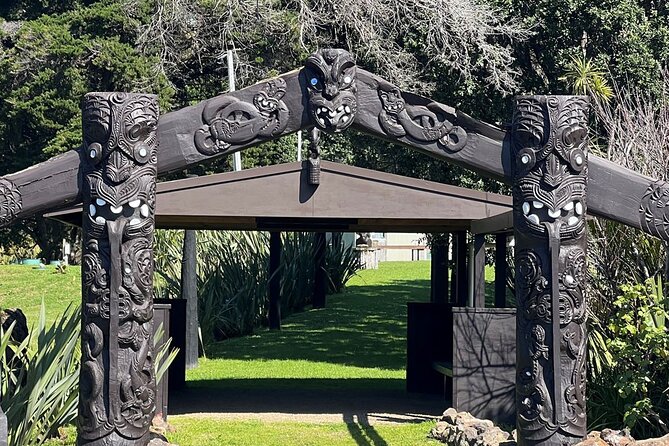
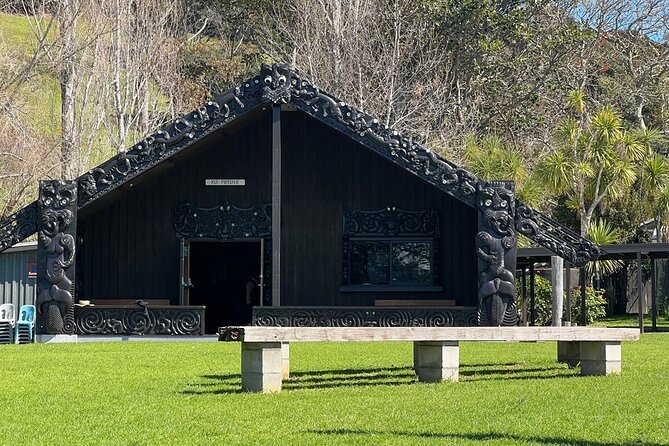
The heart of the experience is hearing Waiheke’s story through the eyes of the tangata whenua. Your guide leads you to the focal point of the Māori community on the island, and you’ll learn why carving matters, why traditional tattooing carries significance, and how language revitalisation connects to identity today.
This is the kind of cultural education that stays practical. Instead of treating Māori culture as a performance, the guide frames it as knowledge—passed down through practice—and as a living system people keep working to protect and renew. You also get context on what colonisation did to Māori communities and why those effects still matter.
If you care about learning the “why” behind what you see—rather than just the “what”—you’ll likely enjoy this section a lot. And because you’re in a small group, it feels like a conversation more than a lecture.
One note: the day is planned around these themes, so if you were hoping for a purely scenic island tour, you may find yourself spending less time on random viewpoints and more time on meaning-heavy stops.
Beaches, viewpoints, and the stories attached to them
After the cultural introductions, you’ll head to white-sand beaches where the guide shares history and stories tied to specific places. Waiheke is famous for coastal scenery, but the tour focuses on what the coast meant to local people and how the island’s geography shaped daily life.
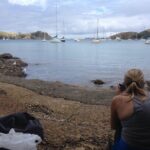
A beach stop is also a good reset. You’ll get a chance to stretch, breathe sea air, and look at the water with more context than “nice view.” If you notice how the shorelines curve and how the island sits against the Gulf, those details start connecting to the rest of the day.
In at least one version of the route, the tour includes a picnic time at Oneroa Beach. Even if your timing feels different, you can expect the day to build in moments to enjoy the coastline, not just move through it.
Native bush walk: medicinal plants and native birds
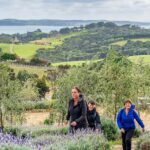
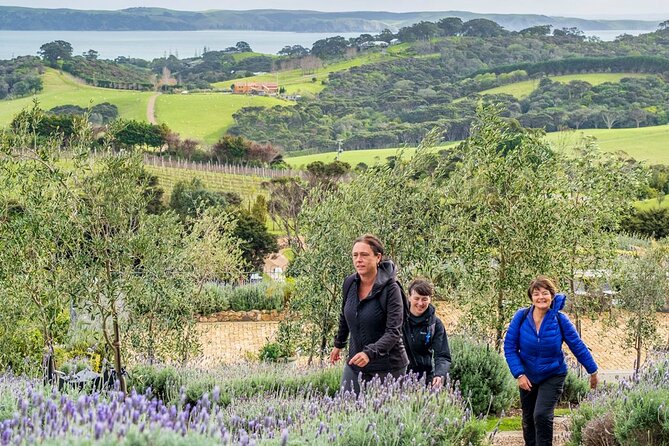
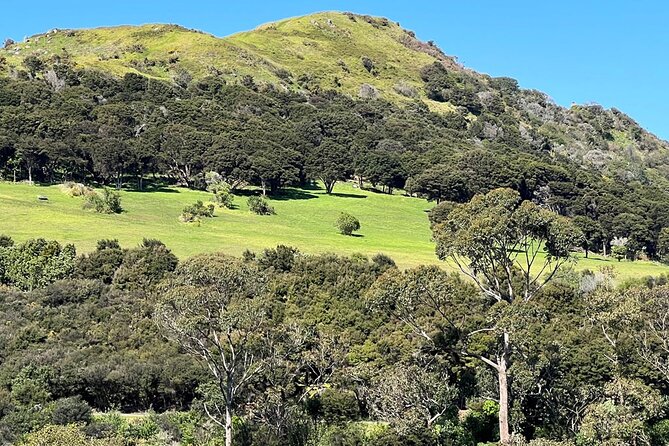
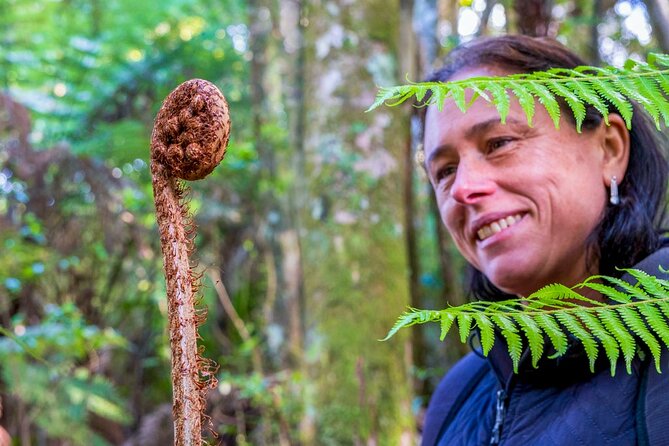
One of my favorite parts of this kind of tour is when you’re not only looking at the past, but also learning what grows here. You’ll take a guided walk through native bush where your guide explains traditional and medicinal Māori uses of native plants.
This section works well because it’s hands-on in spirit. You’re not just hearing names—you’re being taught why certain plants were important, and how knowledge about them was built over time. If you enjoy botany, outdoor learning, or cultural history that connects to everyday life, this is a highlight.
You may also see native birds such as tui, kereru, and piwakawaka. Those sightings don’t happen on command, but it’s a strong reason to keep an eye on the trees and slow down while you walk.
Because this is a bush walk, bring a little patience. You might move more slowly than you’d expect if you were just sightseeing. That’s the point: the guide wants you to look closely.
Pa summit and archaeological remains: kumara pits and shell middens
The tour’s most “wow, that’s real” moment comes with the guided walk up to a pa (fortified village) site with archaeological remains. You’re shown the traces of how communities defended themselves and how they managed food and resources.
At the pa area, you’ll learn to spot features including kumara pits, shell middens, and defensive terraces. These aren’t just academic facts. They help you understand how an island community planned for seasons, stored food, and lived with the reality of protection and access.
If you like historical sites but hate the feeling of standing next to something you don’t know how to read, this works differently. The guide helps you translate what you’re seeing into daily life—how storage pits worked, why middens tell you about diet and years of occupation, and how terracing relates to defence and movement.
This is also where the tour feels most distinctly Waiheke. It’s one thing to visit beaches. It’s another to walk through the physical evidence of settlement patterns and island strategy.
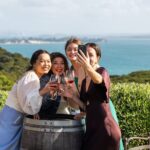

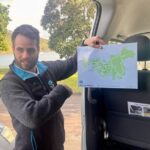
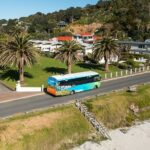
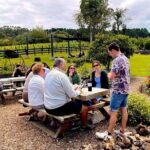
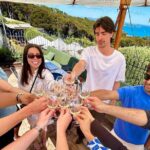
Lunch at a local café, plus optional tasting stops
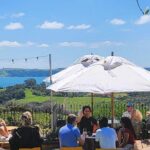
Lunch is not included, but the schedule includes time at a local café for food and coffee. That’s a smart compromise: you’re not stuck eating a pre-planned “tour lunch,” and you can follow the guide’s suggestions to keep it simple.
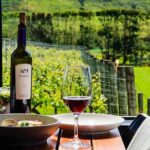
Depending on the day, you may also have chances related to tastings. Some routes include olive oil tasting and wine tasting stops, but those are listed as not included. If you’re the kind of person who wants to try a couple local products, this is a good opportunity. If you’d rather keep costs down, you can treat these as optional add-ons.
A practical tip: if you want to keep the day comfortable, eat lunch earlier in the window rather than the very end. The tour is built to connect to the ferry back, so don’t let hunger make you rush later.
Pace, group size, and what to bring for a 6-hour day
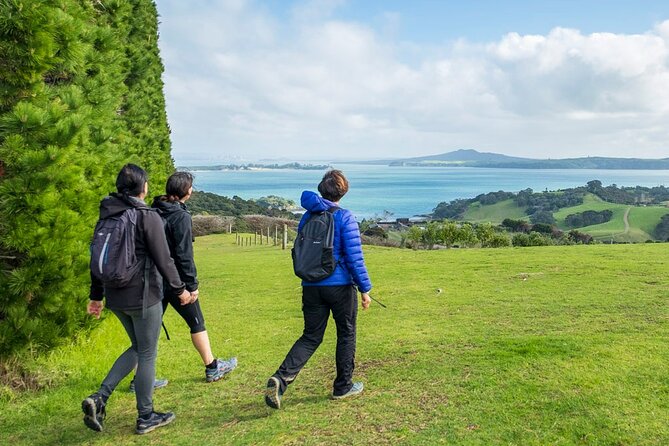
This is a 6-hour experience with a maximum group size of 12 travelers. That small number matters. In a bigger group, cultural sites can feel like speed-walks. Here, your guide can slow down, explain, and answer questions without losing the whole day.
Most travelers can participate, but do plan for real walking. There’s native bush and movement toward a pa summit area. You’ll want comfortable shoes with grip and socks you don’t mind getting a bit scuffed. Bring sun protection too; even when you’re in bush, you’ll still be outside and near coastal light.
Also plan your day around the ferry. You’ll be dropped back to the wharf in time for the return 4pm ferry. If you want to stretch your island time, you can request to be dropped in Oneroa and make your own way back—either about a 15-minute walk or a short bus ride.
If you hate last-minute ferry pressure, consider whether you’ll want that flexibility in advance. It’s easier to decide early than to scramble after a long bush walk.
Price and value: what you’re really paying for
The tour price is $381.65 per person, and it’s typically booked about 66 days in advance. On the surface, that number can look steep until you break down what’s included versus what isn’t.
What you’re paying for includes an expert local guide, the orientation, access to Māori-focused storytelling, the native bush walk with plant knowledge, and the pa-site visit where you’re guided through specific archaeological remains. Those components are hard to replicate on your own without knowing what to look for—and the learning is the main product here.
Ferry costs are separate. The ferry to and from Waiheke isn’t included, and adult return tickets are listed at $42 (you can purchase through the tour provider). Lunch is also not included. That means your real total depends on how you handle meals and any optional tastings.
Still, as a value call, I’d frame this as a “pay for the guide and the meaning” experience. If you want only beaches and viewpoints, Waiheke can be done cheaper. If you want the Māori perspective tied to real places—plants, fortified settlement remains, and cultural practice—this price starts to make sense.
Who this tour fits best
This tour is a strong match for you if:
- you want context for Waiheke, not just scenery
- you like guided walking with explanation (especially cultural and ecological learning)
- you prefer smaller groups and a guide who can tailor pacing
It might be less ideal if:
- you’re mainly chasing a relaxed beach day with minimal walking
- you dislike structured schedules that line up with ferry times
- you’re only interested in wine or shopping and not in heritage education
Should you book this Waiheke Island History and Heritage Tour?
If your ideal Waiheke day includes more than beaches—if you want to understand how people lived here, what the plants meant, and why certain sites still matter—then yes, you should seriously consider booking it.
I’d book it especially if you value thoughtful guiding and want small-group access to Māori perspectives in specific locations, including the pa-site features like kumara pits and shell middens. The pacing is built for a full but not exhausting day, and the 4pm ferry return helps keep things simple.
Just go in knowing what the tour is: heritage education first, scenery second. Do that, wear good shoes, and plan for ferry plus your own lunch, and you’ll likely feel you got far more than a standard island tour.
FAQ
Is the ferry from Auckland included?
No. Ferry tickets to and from Waiheke Island are not included. You can purchase return tickets from the provider for $42 per adult.
What time does the tour start?
The tour starts at 9:45am.
How long is the tour?
It runs for about 6 hours.
Where do I meet the guide?
You meet at the Fullers360 Matiatia ticket office, 1 Ocean View Road, Oneroa, Auckland 1081.
Is lunch included?
Lunch is not included. The day includes time for lunch at a local café.
How big is the group?
The tour has a maximum of 12 travelers.
Can I cancel for free?
Yes. You can cancel up to 24 hours in advance for a full refund. If you cancel less than 24 hours before the experience starts, the payment is not refunded.