REVIEW · WAIHEKE ISLAND
Waiheke Island Private Double Headland Walk
Book on Viator →Operated by Terra & Tide · Bookable on Viator
That coastline hits fast. This private Waiheke headlands walk strings together Matiatia and Church Bay with an expert local guide, plus lunch in the middle—so you’re not just moving, you’re learning and eating well. I like the small group size (limited to 12) and the way the route is planned around tides, which changes how the hike feels day to day.
The biggest drawback to know up front: this is about a 5-hour walk on hilly terrain, so it’s not for casual strolling. If your legs get sore on slopes, you’ll want to plan for that and bring proper shoes.
In This Review
- Key points to know before you go
- Twin headlands of Waiheke: what this walk really covers
- Choosing north or south first: tides-aware timing that changes the hike
- Oneroa Village lunch: how to eat well without derailing the day
- Matiatia to Owhanake Bay: coastal views and nature spotting
- Pio Rehutai Reserve and Church Bay: sculptures, hidden coves, and home views
- Private-group value: small number, expert guide, and real pacing
- Price and logistics: is $418.89 per person worth it?
- What to pack (and how to dress) for hilly headlands
- Should you book the Waiheke double headlands walk?
- FAQ
- How long is the Waiheke Island Private Double Headland Walk?
- Where is the meeting point, and when does the walk start?
- Is lunch included?
- Are ferry fares included in the price?
- Is this tour private?
- How large is the group?
- Is the walk suitable for beginners?
- What should I bring, and does it run in bad weather?
- Is there a free cancellation window?
Key points to know before you go
- Tides guide the route: sometimes you walk the northern side first, other times the southern side.
- Lunch is built in: you’ll stop in Oneroa Village to eat at local cafes or picnic on the beach.
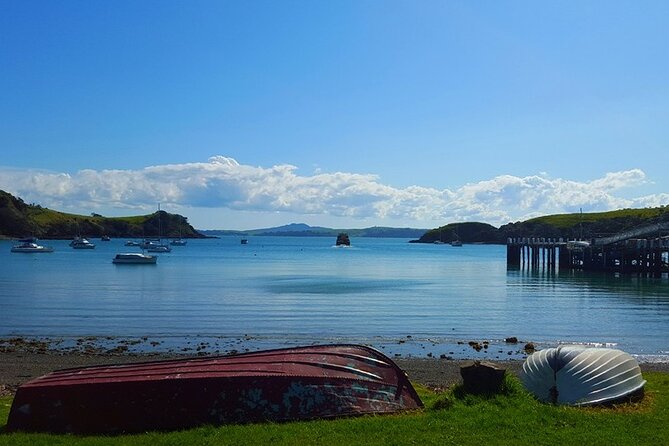
- Two distinct headlands: Matiatia and Church Bay each bring their own views and trail character.
- Wildlife and plants are part of the story: you’ll spot seabirds and native plants as you walk.
- A guide who connects dots: guides like Cindy and Justine are repeatedly praised for local interpretation and friendly pacing.
- Private-group feel: only your group participates, with return transfers included.
Twin headlands of Waiheke: what this walk really covers
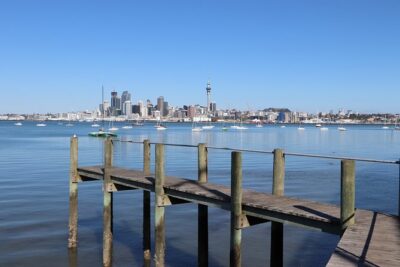
Waiheke Island is famous for its views, but this hike is different because it turns the island’s best shoreline scenery into a real walking route. You’ll start at the ferry area near Matiatia and work your way along two headlands—Matiatia and Church Bay—with lunch in between. The whole thing runs about 5 hours on hilly paths, and the pace is matched to the group.
What I like most is that it’s not just postcard sightseeing. Your guide’s interpretation makes the walk feel like a living place—coastlines, reserves, plants, and the way the land shapes where the sea can be reached safely. It also helps that the group stays small, so you’re not shouting over each other for the one useful tip.
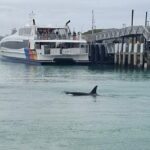
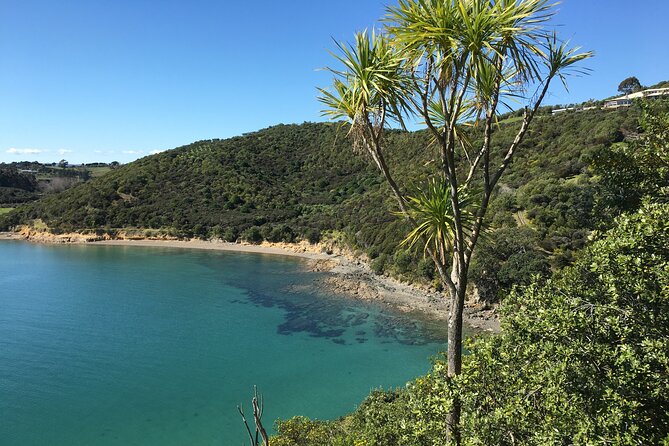
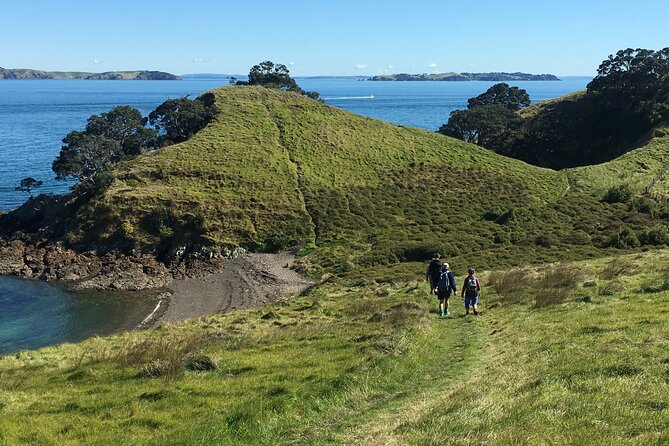
And yes, you’ll see the water in a big way. Expect wide views across the Hauraki Gulf, including islands like Great Barrier Island and the Coromandel Peninsula. If the day’s right, you may even catch orcas or dolphins off the coast—no promises, but the setting makes it worth watching the horizon.
You can also read our reviews of more walking tours in Waiheke Island


Choosing north or south first: tides-aware timing that changes the hike
One of the smart things about this walk is that it’s flexible. Sometimes the route starts on the northern side (around Matiatia and past Owhanake Bay), and sometimes it starts on the southern side (through Pio Rehutai Reserve and around the Church Bay headland). The reason is straightforward: tides.
For you, that matters because tide height can affect how comfortable and safe sections of coastal walking feel. It can also change what you’re looking at when you’re on the shore—how close the waterline is, and what you can spot along the coastal edge. Either way, you’ll still get both halves of the experience, just in a different order.
The schedule is designed around the fact that you’re walking for roughly two hours on each side, then stopping for lunch. That middle break is key because it gives you a chance to recharge before the second headland portion, which includes reserves and a bit more variation in terrain.
Oneroa Village lunch: how to eat well without derailing the day
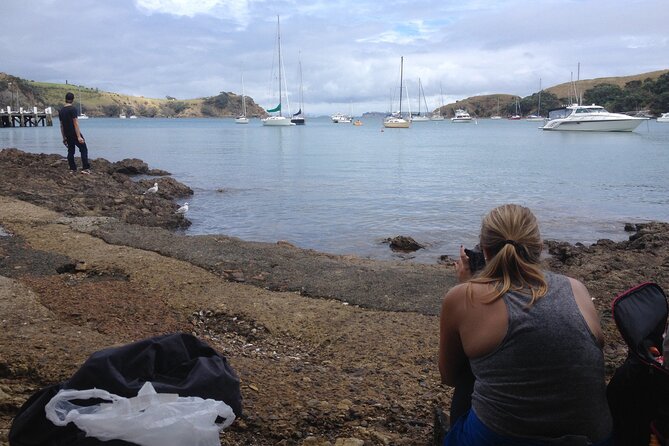
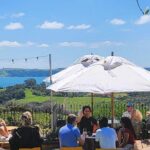
Lunch is one of those details that can make or break a guided walk. Here, it’s planned into the route at Oneroa Village, right in the middle of the day. That’s a great move because it means you’re not eating in a random spot or trying to time a restaurant. You get a proper reset.
You’ll have options: eat at a local café or do a beach picnic. If you choose picnic, you can bring food or purchase what you need. Either way, you’ll have a practical window to stretch a bit, refuel, and get ready for the second half of the hike.
I also love the psychological benefit: knowing lunch is built in keeps the second half from feeling like punishment. You can focus on the walk and the scenery instead of thinking about hunger or timing. It’s also a chance to see the human side of Waiheke—small-town energy right where the trail meets real life.
Matiatia to Owhanake Bay: coastal views and nature spotting
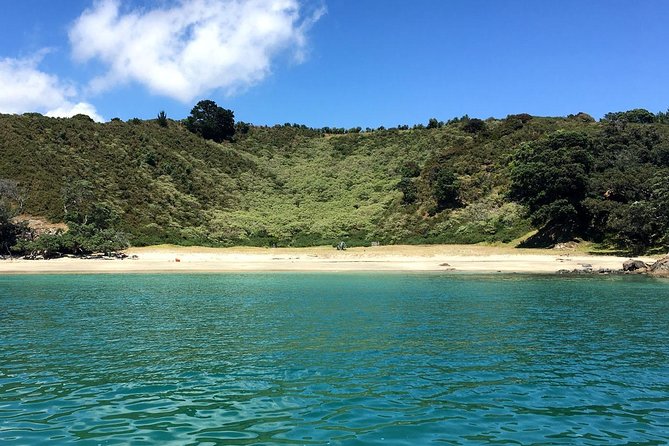
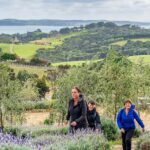
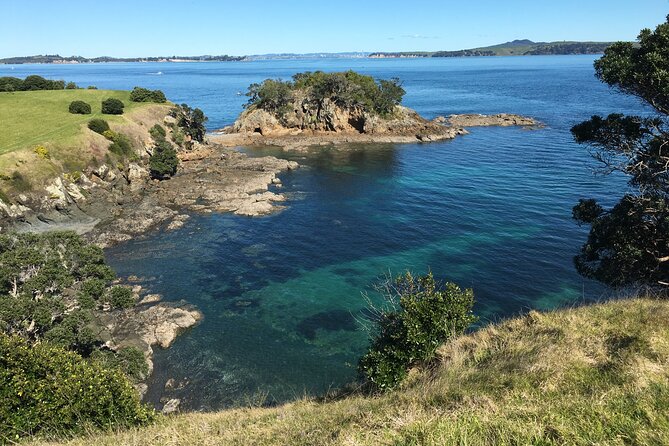
If your day starts with the north route, your first big segment takes you around the Matiatia headland and past Owhanake Bay. This is where the walk leans hard into coastal drama. You’ll be looking out across the Hauraki Gulf with chances to spot birds and other wildlife activity near the shoreline.
Your guide’s interpretation is especially useful here. You’re not just staring at water—you’re learning what to watch for. The route is described as a chance to see sea birds and native plants, which makes it feel more like a guided nature walk than a simple shoreline stroll.
This segment also sets you up for the fun part: you’ll have repeated viewpoints where you can pause and take in the scale of the area. The guide will point out what you’re seeing and where it fits on the wider map of the region. That’s how the views stop being generic and start feeling personal.
A small word of caution: this is hilly walking and it’s outdoors. Even on a beautiful day, you’ll want to keep your footing steady on uneven ground and watch for slippery patches if it’s been wet.
Pio Rehutai Reserve and Church Bay: sculptures, hidden coves, and home views
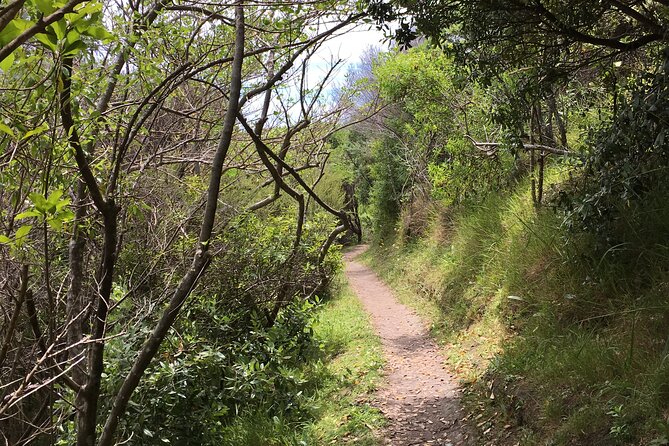
On the southern route, the walk shifts into a different mood. You’ll move through Pio Rehutai Reserve and then go around the Church Bay headland. This side includes a sculpture park and a bush reserve, which means the trail changes character instead of staying purely along exposed coastline.
One of the most appealing parts of this section is the idea of hidden coves and quiet pockets of shore. Even when the bigger views are what you came for, these smaller inlets can be the moments that feel most memorable—especially when you get a guide who’s paying attention to the small details.
You’ll also pass by some amazing houses and view the city and sea from certain vantage points. That blend—nature reserve plus dramatic hillside residences—is very Waiheke. It’s not a theme park. It’s the way the island actually lives, built around water access and viewpoints.
The bush reserve element is useful for pacing. It gives you shade and a different walking feel compared with the open headland areas. Still, you’re on terrain with hills, and you’ll be outdoors for hours, so your legs will notice the second half of the day.
If you tend to get bored on long walks, this section helps because it’s not repetitive. Sculpture, reserve paths, and changing shoreline angles keep your attention.
You can also read our reviews of more private tours in Waiheke Island



Private-group value: small number, expert guide, and real pacing
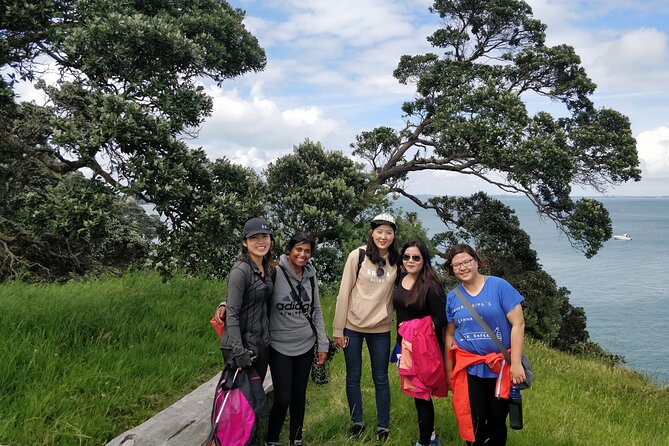
This walk is described as private, with the important practical meaning that only your group participates. Groups are limited to 12 people, which is large enough that you can meet other humans, but small enough that the guide can actually tailor pacing and answer questions.
The guide role matters here because the walk is doing two things at once: moving you along a scenic route and making the place make sense. Reviews tied to guides like Cindy and Justine highlight how much guests enjoyed the interpretation—history, fauna, local environment, and friendly, active guiding.
That said, interpretation is only valuable if the pace works for you. The day is designed to be about 5 hours, with two roughly equal trail segments separated by lunch. If you’re aiming for a calm, flat nature stroll, this isn’t that. But if you want a guided experience that actually feels like you walked through the island rather than just stood at one view, it’s a strong match.
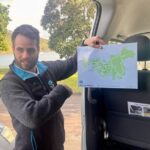
You’ll also get walking maps, which is more helpful than it sounds. When you understand where you’ve been and what you’ll see next, you get more out of every stop. It also helps you later when you want to re-walk a portion on your own.
Price and logistics: is $418.89 per person worth it?
Let’s talk money plainly. At $418.89 per person, this is not a cheap add-on. The value comes from a mix of things that stack up: expert guiding, lunch included, walking maps, and return transfers to the ferry (or your island accommodation).
The transfer piece is a big practical win. On Waiheke, getting to the right start point and back without stress can eat time and energy. If transport isn’t handled, you can easily spend more than you think on taxis or ferry juggling, and the walk itself becomes less relaxing.
The guide quality also affects value. Reviews repeatedly mention the guides’ knowledge and friendliness—Cindy and Justine come up by name. In a place where trails can look similar from a distance, a guide helps you notice the differences: plant types, animal activity, and why certain viewpoints matter.
What might not feel worth it to some people is the fixed commitment to the hike length. You’re signing up for a full morning-to-midday kind of effort (around 5 hours). If you’re short on stamina, you might find a shorter Waiheke option better aligned with your day.
Also, ferry fares are not included. That means your true budget depends on how you’re getting to Waiheke in the first place. The good news: knowing that early makes it easy to plan.
What to pack (and how to dress) for hilly headlands
This walk runs in all weather, so you should dress like you mean it. Plan for sun, wind, and the occasional rain—because Waiheke can change quickly.
You’ll want:
- Walking shoes with grip for hilly, uneven ground
- Water (you’ll be out for about 5 hours)
- Raincoat (because the tour operates in all conditions)
- Sunscreen, hat, and sunglasses
- A quick-access layer if it turns breezy
Service animals are allowed, which is good to know if you travel with one. And the meeting point is near public transport, which can help if your plans are flexible once you’re on the island.
My one practical tip: if you think you can get by with basic sneakers, I’d rethink it. Headlands walking means you’ll feel the slopes in your calves, and traction matters when trails are damp.
Should you book the Waiheke double headlands walk?
Book it if you want a guided day that’s more than just views. This is ideal when you care about nature details, want both headlands in one outing, and like the idea of a planned lunch at Oneroa Village. The small group size and private feel make it easier to ask questions and actually enjoy the walk.
Don’t book it if you don’t want hills. This is for people who can walk about five hours on hilly terrain, outdoors and in all weather. Also, if your budget is tight or you’re still paying separate ferry costs, the total spend can climb quickly.
If you’re on the fence, I’d use this simple checklist: comfortable on slopes, okay with walking for the full block of time, and excited by sea views plus reserve trails. If those three are yes, you’ll likely feel you got your money’s worth.
FAQ
How long is the Waiheke Island Private Double Headland Walk?
It’s about 5 hours.
Where is the meeting point, and when does the walk start?
You meet at the Fullers360 Matiatia ticket office at 1 Ocean View Road, Oneroa, Auckland 1081. The start time is 9:45 am, and it ends back at the meeting point.
Is lunch included?
Yes. Lunch is included, and it’s at Oneroa Village. You can eat at local cafés or picnic on the beach with food you purchase or bring.
Are ferry fares included in the price?
No. Ferry fares are not included.
Is this tour private?
Yes. It’s a private tour/activity, and only your group participates.
How large is the group?
Groups are limited to 12 people.
Is the walk suitable for beginners?
It’s suitable for those who can walk about 5 hours on hilly terrain.
What should I bring, and does it run in bad weather?
Bring walking shoes, water, a raincoat, sunglasses, a hat, and sunscreen. It operates in all weather conditions, so dress appropriately.
Is there a free cancellation window?
Yes. You can cancel for a full refund up to 24 hours before the experience’s start time.