REVIEW · WAIHEKE ISLAND
Waiheke Island Private History and Heritage Tour
Book on Viator →Operated by Terra & Tide · Bookable on Viator
Waiheke feels different when you hear it firsthand. This private 6-hour tour blends big sea views with a Māori perspective on land and living culture. I like the balance of scenery and meaning, but I’d set one expectation early: cultural spaces (like a marae/welcome area) may be seen from outside and entry can depend on formal welcome timing.
I also love how the guide takes you through native bush and up to a pa site with archaeological features like kumara pits, shell middens, and defensive terraces. It’s the kind of day where the stories aren’t stuck in a book—they’re tied to plants underfoot, birds overhead, and the shape of the coastline.
In This Review
- Key highlights worth your attention
- Waiheke’s sea-view kickoff: Oneroa morning, big horizon energy
- Māori perspective that goes beyond a quick photo stop
- Beach time that comes with context (not just sun and sand)
- Native bush walk: medicinal plants and birds you can actually spot
- The pa summit: kumara pits, shell middens, and defensive terraces
- Lunch break and optional extras: where your money really goes
- Timing and getting back: return ferry by 4pm
- Who this tour suits best (and who should adjust expectations)
- Should you book this Waiheke Island Private History and Heritage Tour?
- FAQ
- How long is the Waiheke Island Private History and Heritage Tour?
- What’s the meeting point and start time?
- Is the ferry included in the tour price?
- What is included in the experience?
- Is lunch included?
- Are alcoholic tastings included?
- Is this tour private?
- How does cancellation work?
- How do I receive tickets?
Key highlights worth your attention
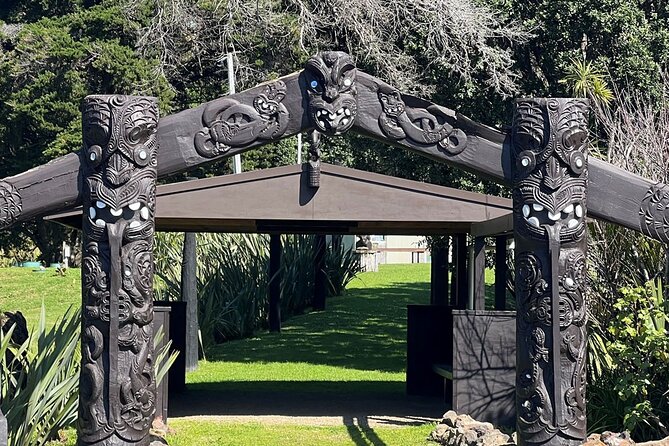
- A Māori-led lens on Waiheke, including carving, traditional tattooing, language revitalisation, and colonisation’s impacts
- Scenic orientation with Hauraki Gulf + Auckland City views, plus looks toward the Pacific Ocean
- Pristine white-sand beaches paired with place-based stories, not a checklist of stops
- Native bush walk focused on traditional and medicinal plant uses, guided at a human pace
- A pa summit you can actually see, with kumara pits, shell middens, and defensive terraces
- Budget reality: ferry and lunch aren’t included in the $465.43 price
Waiheke’s sea-view kickoff: Oneroa morning, big horizon energy
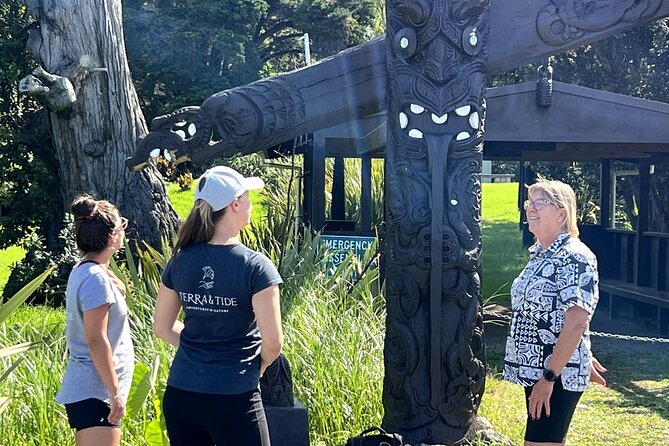
Your day starts at the Fullers360 Matiatia ticket office on Ocean View Road in Oneroa (9:45am). This matters because Waiheke days can feel like they’re either rushed or too relaxed. Here, you get the “arrive, get oriented, then go” flow—so you’re not wandering while the best views are passing by.
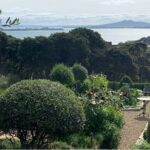
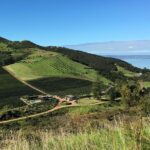
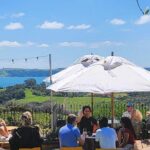
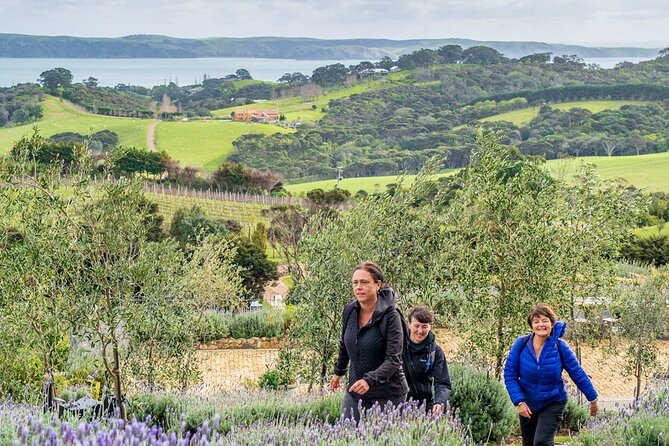
The first phase is an orientation around Waiheke with sea views of the Hauraki Gulf, Auckland City, and the wider Pacific Ocean. Even if you’ve seen photos of Waiheke, the island’s scale hits differently when someone points out what you’re actually looking at: where the coast opens out, how the gulf frames the horizon, and why certain areas feel naturally suited to settlement and travel.
This is also where the guide’s tone sets the day. Instead of treating the coast as scenery, you’re nudged to treat it as part of a connected story—land, movement, and people over time.
Practical note: the tour runs about six hours, and it’s structured to get you back in time for the return ferry by 4pm.
You can also read our reviews of more private tours in Waiheke Island

Māori perspective that goes beyond a quick photo stop
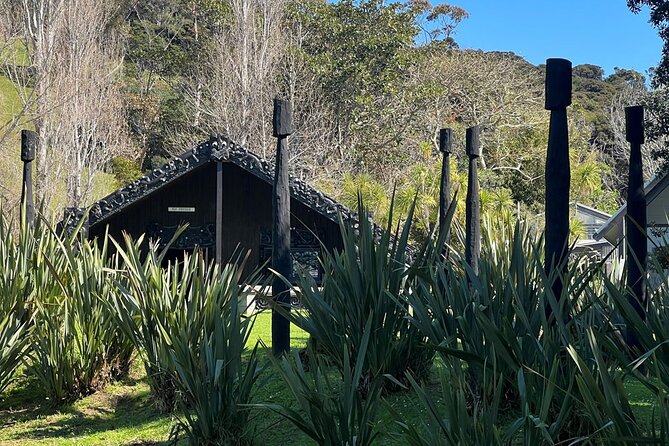
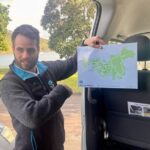
The heart of this experience is time on Waiheke from a Māori perspective—so you’re not only visiting sites, you’re learning how to read the island through indigenous knowledge and lived culture.
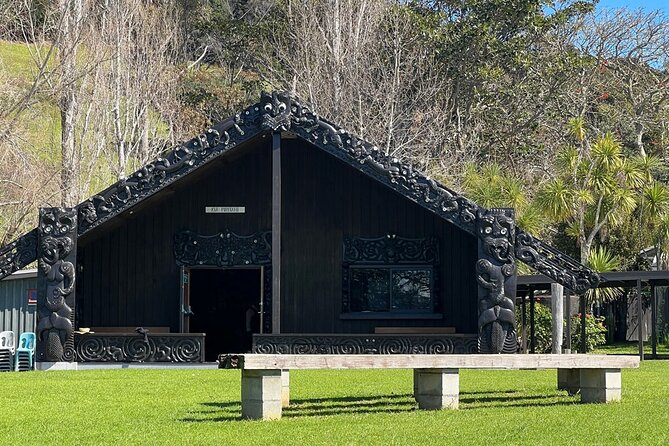
You’ll head to the focal point of the Māori community on Waiheke, where the guide shares the significance of carving and traditional tattooing. Those aren’t presented as “cool arts and crafts.” They’re explained as cultural systems with meaning—how identity, knowledge, and whakapapa (ancestral connection) get carried through visual form.
You’ll also hear about the revitalisation of Māori language and the impact of colonisation on Māori people. That part is important, because it changes how you interpret everything else you see later. When you learn how disruption affected communities and language, the day stops being only scenic, and starts being honest about why culture needed rebuilding.
One more expectation-setting point: this is a cultural education experience, not an automatic backstage pass into every community space. You might see a welcome hut or other elements of community life from the outside. Access to a marae or an area where visitors are formally welcomed typically follows a powhiri process, and it’s not something you can assume will be scheduled just because you arrived with a tour group. If cultural access is what you’re hoping for most, decide early to keep your focus on learning, context, and respectful observation.
Beach time that comes with context (not just sun and sand)
Waiheke’s beaches have a reputation for being pretty, and yes—you’ll visit pristine white sand beaches. But the smarter part is how the guide pairs the coastline with history and stories of the places you visit and see.
That’s the difference between “another beach stop” and a meaningful walk: you start noticing details you would normally ignore. How a shoreline bends, where land rises, why certain spots feel like natural meeting points. You also learn how stories attach to the physical features, so later, when you look back across the gulf or down the coast, you’re not only thinking about the view—you’re thinking about why the view mattered.
If you’re traveling with someone who thinks “culture” means museums only, this approach usually works better than expected. It ties cultural meaning to the everyday geography of the island.
Native bush walk: medicinal plants and birds you can actually spot
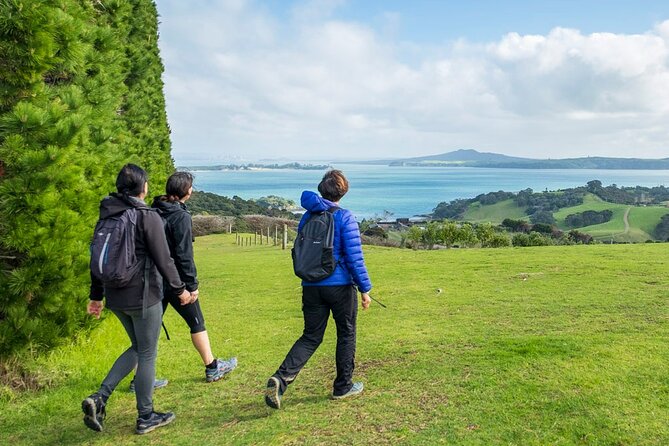
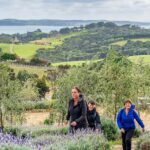
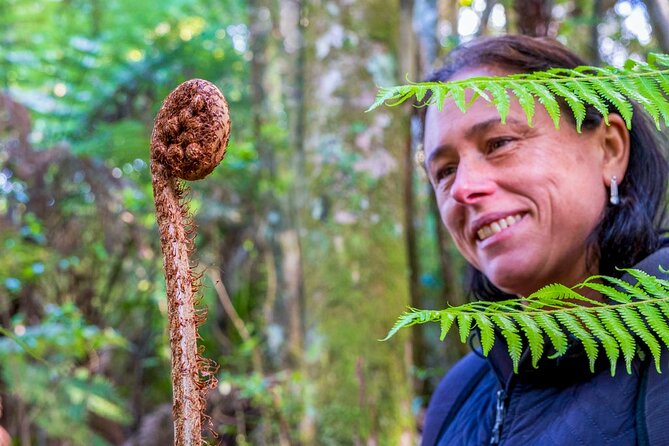
A guided walk through native bush is where the day turns more physical and more personal. The guide explains traditional and medicinal uses of native plants. That’s the kind of knowledge that doesn’t feel generic because it’s grounded in the species you can see and the role they play.
Even if you don’t memorize plant names (and you probably won’t in one afternoon), you’ll come away with a sense of how Māori knowledge reads the natural world: plants aren’t just scenery or “rare greenery.” They’re functional, and they’re part of relationships—how people understood healing, food, and practical life from the land.
You’ll also likely see native birds like tui, kereru, and piwakawaka. I like that the bird-spotting here feels optional. You’re not on a strict bird-watching mission. Instead, it becomes a bonus signal that the environment is healthy and that your time in bush isn’t just a walk—it’s a chance to notice living things.
Bring basic hiking shoes. The bush portion is described as a guided walk through native vegetation and up toward a pa summit, so you’ll want traction and comfort for uneven ground.
The pa summit: kumara pits, shell middens, and defensive terraces
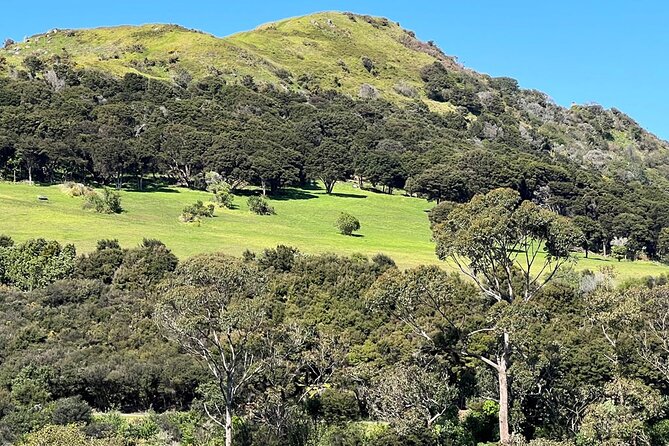
The tour takes you to the summit of a pa (fortified village) site with archaeological remains of kumara pits, shell middens, and defensive terraces.
This is one of those moments where your brain can do two jobs at once: appreciate the view while also understanding what the landscape used to do.
- Kumara pits link you to horticulture. You’re seeing evidence of how food was stored and managed, not just imagining meals on vacation.
- Shell middens show long-term gathering and consumption patterns—people weren’t passing through randomly; they built routines and seasons.
- Defensive terraces remind you that settlement wasn’t only about living well. It was also about protection and strategy.
The value here is interpretation with context. Standing on those remains without guidance can be confusing. With a guide, the features start to make sense as parts of a functioning community over time.
And yes, you’ll probably catch more bird life up there too. The pa summit is a natural place to notice the island’s ecology and its human history in the same glance.
You can also read our reviews of more historical tours in Waiheke Island
Lunch break and optional extras: where your money really goes
Lunch is part of the day, and it’s at a local cafe with food and coffee—but lunch itself is listed as not included in the base price.
That’s key for budgeting. The tour costs $465.43 per person, which is a premium amount. To judge the value, look at what you’re buying:
1) Private, expert guiding for about six hours (not a shared group scramble)
2) A tightly focused Māori heritage lens—carving/tattooing, language revitalisation, colonisation impacts, and traditional plant knowledge
3) Access to meaningful outdoor learning: bush walk and a pa summit with visible archaeological remains
4) Scenic orientation on Waiheke’s geography and coastline
What you should plan for on top:
- Ferry to/from Waiheke Island is not included. Ferry tickets can be purchased from the tour provider for $42 per adult return.
- Lunch isn’t included.
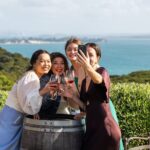
- Alcohol-related tastings (wine and olive oil) are optional and the cost won’t exceed $50.
If you’re trying to keep costs in check, skip optional alcohol tastings and treat the lunch stop as part of your day budgeting. If you want the full experience—where the guide’s storytelling pairs with tasting something local—that option exists, but it’s not required.
One more practical detail: the tour is often booked in advance (on average about 50 days out). If you’re traveling in a busy season or on a popular weekend, lock it in early so you’re not left stitching together a backup plan.
Timing and getting back: return ferry by 4pm
The day is built around the ferry schedule. You’ll be guided back to the start area in time for the return ferry around 4pm.
Your end point is listed as returning to the meeting point. There’s also an option: if you want to stay on the island longer, you can be dropped in Oneroa, and you can make your own way back to the ferry using a 15-minute walk or a short bus ride.
This flexibility is useful if you’re the type who likes wandering after a guided experience. You’ll get your meaning-filled tour, then you can keep exploring at your own pace—without feeling like you’re stuck waiting for the group.
Who this tour suits best (and who should adjust expectations)
This tour fits best if you want:
- A private day with an expert local guide
- Māori cultural learning that’s tied to the land, plants, and visible archaeological remains
- A balanced day that includes sea views, beaches, native bush, and a meaningful summit visit
- Less “photo sightseeing,” more interpretation and context
It might not be ideal if your top goal is:
- Guaranteed entry into every indoor cultural site or marae space on demand. In experiences like this, formal welcome processes matter, and access may not be something you can force or assume.
The sweet spot is curiosity plus respect plus flexibility.
Should you book this Waiheke Island Private History and Heritage Tour?
I’d book it if you want Waiheke to feel more than pretty. The strongest part is the way the guide links Māori knowledge to what you’re physically seeing—carving and tattoo traditions, the meaning behind language revitalisation, and how native plants and pa remains tell you life once looked different here.
If you’re mainly looking for casual scenery, you might feel the day is heavier on interpretation than you expected. But if you enjoy learning in a grounded way—outdoors, on real terrain—this is a smart choice.
My practical advice: budget for the ferry and lunch, wear proper walking shoes, and arrive with realistic expectations about cultural space access. Do that, and you’ll come away with a fuller understanding of Waiheke than most people manage in a simple beach day.
FAQ
How long is the Waiheke Island Private History and Heritage Tour?
It runs for about 6 hours.
What’s the meeting point and start time?
The meeting point is the Fullers360 Matiatia ticket office, 1 Ocean View Road, Oneroa, Auckland 1081, and the tour starts at 9:45am.
Is the ferry included in the tour price?
No. Ferry tickets to and from Waiheke are not included. They can be purchased from the tour provider for $42 per adult return.
What is included in the experience?
You get an expert local guide as part of the tour.
Is lunch included?
No. Lunch is not included (though there is a lunch stop at a local cafe during the day).
Are alcoholic tastings included?
No. Alcoholic wine and olive oil tasting are optional and the optional cost won’t exceed $50.
Is this tour private?
Yes. It’s a private tour/activity, meaning only your group participates.
How does cancellation work?
You can cancel for free up to 24 hours in advance for a full refund.
How do I receive tickets?
The tour uses a mobile ticket.