REVIEW · AUCKLAND
America’s Cup 2-Hour Sailing Experience Waitemata Harbour
Book on GetYourGuide →Operated by Explore Group New Zealand · Bookable on GetYourGuide
You’ll feel the edge of an America’s Cup yacht. This two-hour sailing experience has you on a real race boat in Auckland’s Waitemata Harbour, where you can actually take part in the work. I like that it’s hands-on without making you a sailor first.
The standout for me is the professional crew style of coaching: safety first, then they show you what to do and step back so you can steer, grind, or work the winches. The one drawback to weigh is that this is not a slow sightseeing cruise; you’ll need to be comfortable moving around and accepting that sailing depends on wind limits and the skipper’s call.
In This Review
- Key Things I’d Focus On
- America’s Cup Energy in Waitemata Harbour
- Meeting at Viaduct Harbour and Getting Race-Ready
- Your Job Aboard: Helm, Winches, and Grinders
- The Sailing Feels Like Racing, Not Just Cruising
- Learning the America’s Cup in Real Time
- Price and Value: Is $125 for Two Hours Worth It?
- What to Expect on Your Day: Wind Limits and Changing Plans
- Tips to Get the Most Out of Your 2 Hours
- Should You Book This America’s Cup Sail in Auckland?
- FAQ
- Where do I meet for the sailing experience?
- How long is the America’s Cup sailing experience?
- Do I need any sailing experience?
- What’s included with the tour?
- What should I bring?
- Are there age limits for this activity?
- Is it okay if I’m pregnant or have a medical condition?
- Will the yacht sail in all wind conditions?
- Is there a chance the tour won’t operate?
Key Things I’d Focus On
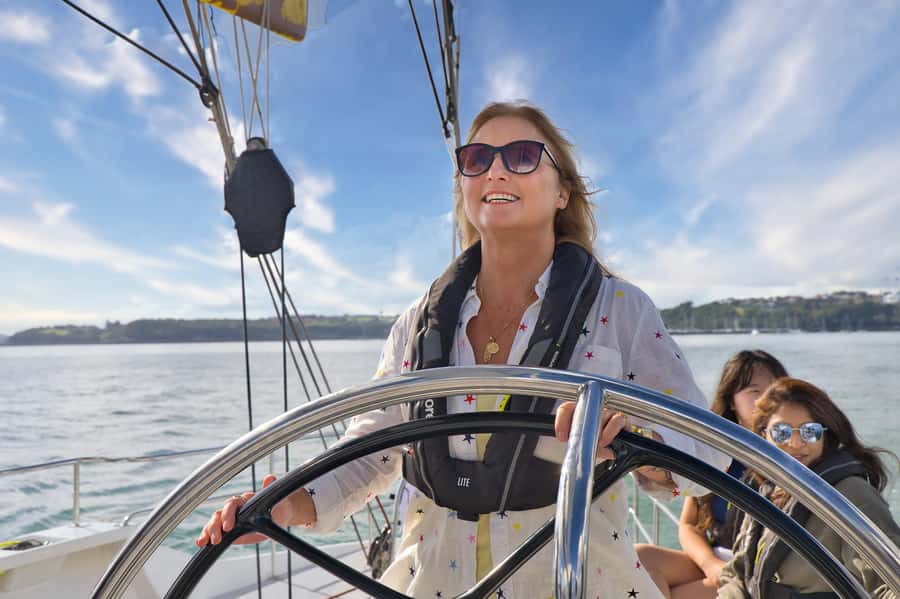
- A real America’s Cup-class experience on Auckland water
- Hands-on roles: you can steer and help with sails, winches, and grinders
- Coaching you can understand fast: crew members including Alex, Julia, Annabelle, Luke, and Jessie are named by riders
- Race-boat intensity: you may feel big angles and real speed when conditions are right
- Go-or-try decisions based on wind limits (so the thrill level can vary)
America’s Cup Energy in Waitemata Harbour
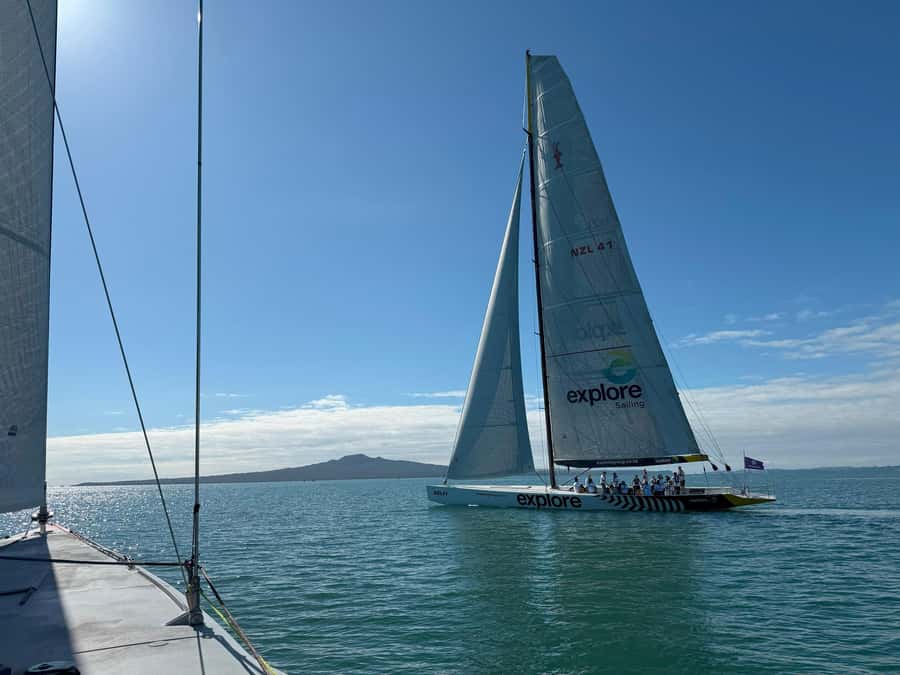
Auckland’s Waitemata Harbour has the right vibe for this kind of outing: busy city edges, open water, and plenty of space to put a racing yacht through its paces. You’re not watching from a distance. You’re learning how an America’s Cup machine actually works when the sails go up and the boat starts to move with purpose.
What makes this experience feel special is the mix of sport and storytelling. You’ll get the basics of racing yacht sailing, then you’ll live inside the process—helm time, sail work, and the rhythm of trimming for wind. If you like the idea of sport without needing a yacht background, this fits.
I also like that the tour leans into the “crew” concept. You’re not just along for the ride. The professional team manages the boat, but they invite you into the action based on what you’re comfortable doing.
You can also read our reviews of more boat tours in Auckland


Meeting at Viaduct Harbour and Getting Race-Ready
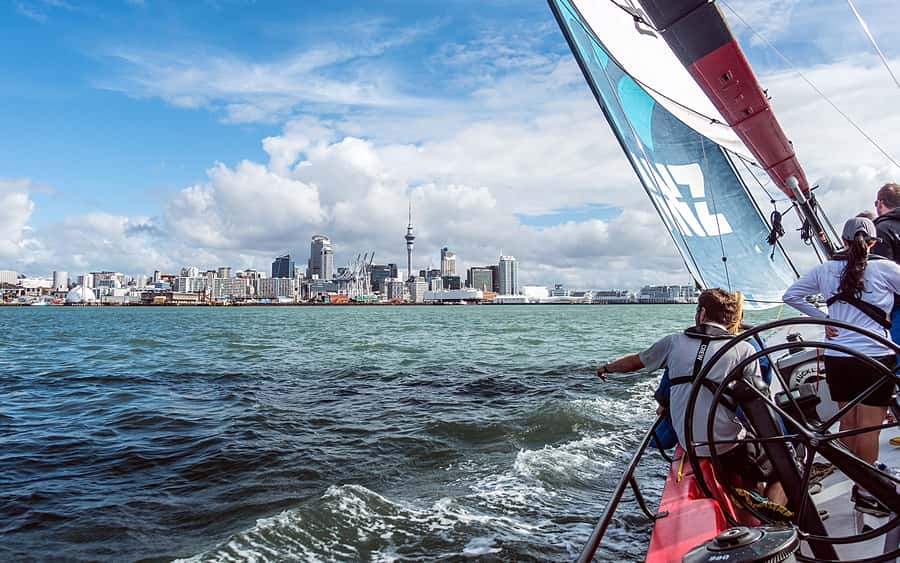
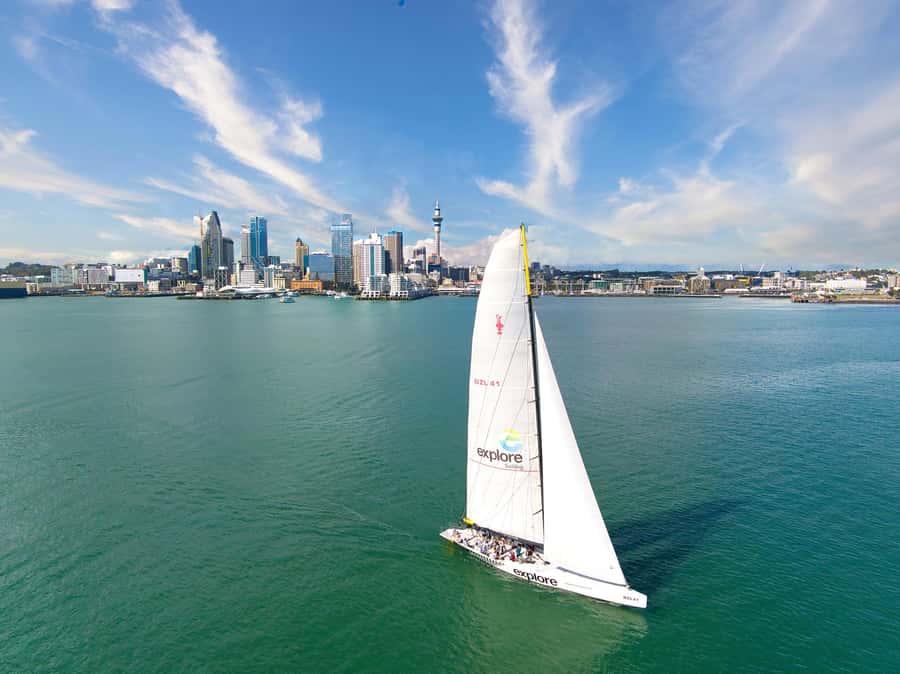
Your start is straightforward: meet at Viaduct Harbour, at the kiosk inside the harbor area, at the end of Quay Street, past the New Zealand Maritime Museum. The location is part of the fun. You’re right in Auckland’s waterfront zone, so the trip feels connected to the city instead of feeling like a transfer to nowhere.
Once you’re on board, expect a safety briefing and gear check before anything “fast” happens. You’re provided with a life jacket and weatherproof jacket as required, which matters because racing yachts don’t move like comfy ferries. Even on a sunny day, wind can change how you feel on the water.
From there, the crew sets expectations for participation. Some people want hands-on roles right away; others want to watch first. The best part is that the crew runs the boat smoothly enough for first-timers to contribute without feeling out of place. Several riders specifically mention the team turning instructions into clear steps, and you’ll likely feel that too once you’re standing near the working parts of the yacht.
Your Job Aboard: Helm, Winches, and Grinders
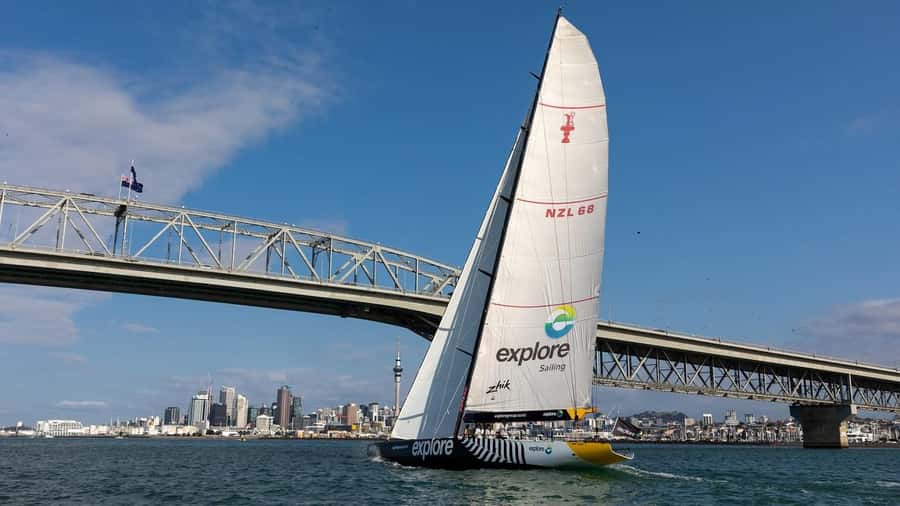
This tour’s biggest selling point is that you can choose your level of involvement. If you want the full experience, you can take the helm when conditions allow. If you’d rather help in another way, you can work the winches and grinders—those are the systems that trim and shape sails so the boat can accelerate instead of just drifting.
You’ll hear the boat’s language fast: when the crew calls a task, you move. When they’re adjusting trim, you pay attention to how the sail changes and how the boat responds. Riders describe hands-on moments like steering, raising or lowering sails, and helping with sail work in a way that feels real, not theatrical.
A practical detail: this isn’t hands-on only from a distance. You should be ready to shift your stance and move around the boat as needed. One rider even noted that the experience can feel like it’s on the edge, so your body needs to cooperate. If you freeze at the idea of standing in wind with your feet in motion, this is something to think about before you book.
The Sailing Feels Like Racing, Not Just Cruising
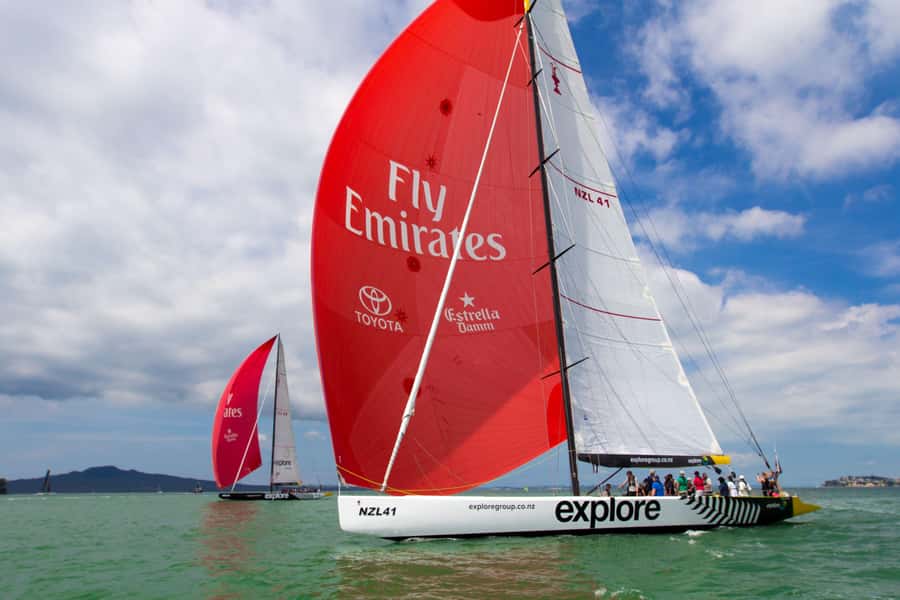
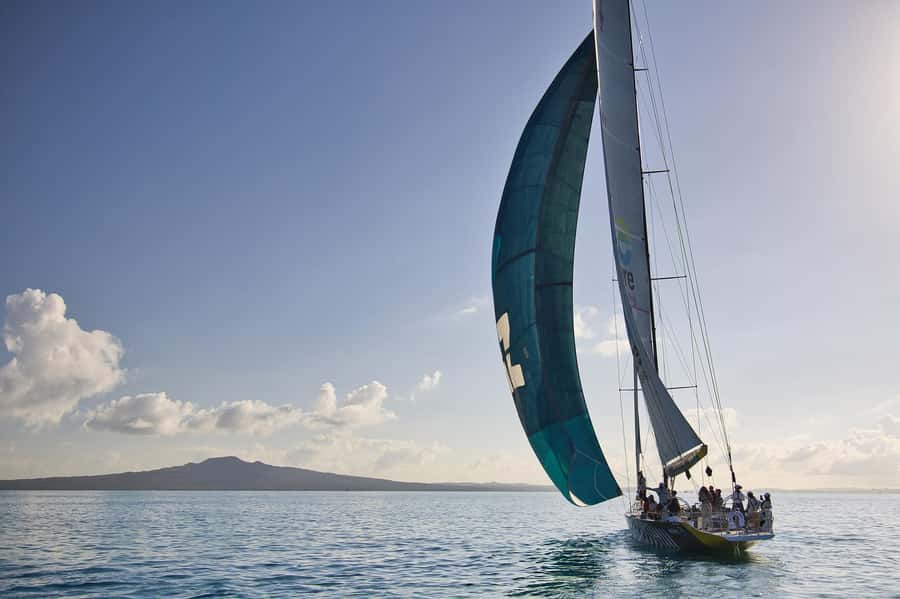
Once underway, you’ll get the thrill that makes people talk about this outing long after. You’ll feel the wind directly, and you’ll experience maneuvers that define high-performance sailing—things like tacks and jibes. On the right day, the yacht can lean hard and move quickly enough that it stops feeling like a tour and starts feeling like participation.
Several riders call out the intensity in very specific terms. One described rail-edge sailing with a sharp heel angle around 45 degrees, and others talk about the excitement of the boat flying forward when the crew gets sail trim right. Another rider mentions the genaker being set, which is a sign you’re getting proper racing energy rather than a casual sail-around.
Now, let’s keep it honest: wind varies. These America’s Cup Class yachts are designed to sail primarily in light winds, and there are wind limits for safety and comfort. That means you shouldn’t assume you’ll get maximum intensity every single time. You will still get real sailing, but the “wow factor” depends on what the sea gives on your date.
Learning the America’s Cup in Real Time
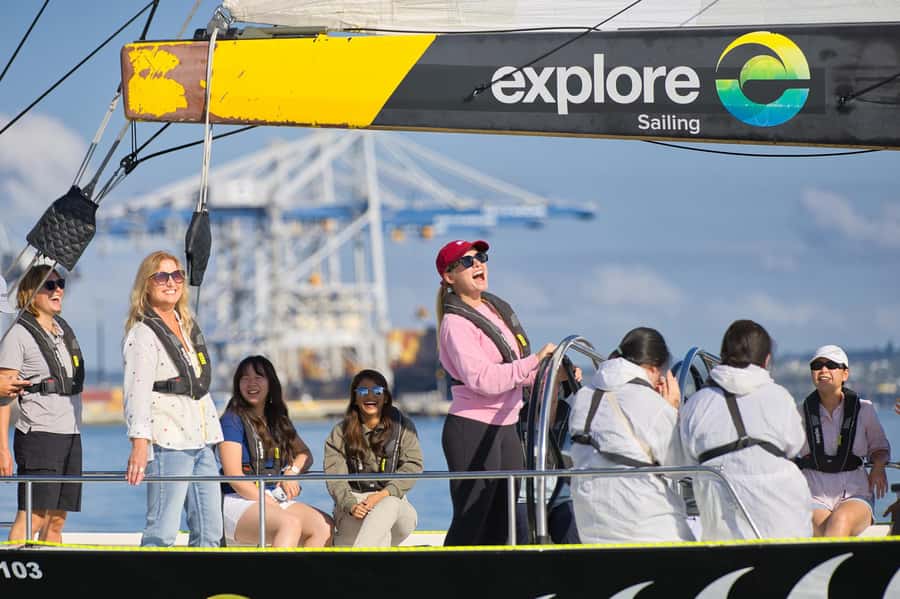
This experience does more than put you on a fast boat. It teaches the why behind the actions. The crew shows you what each role affects—how helm choices and sail trimming change speed, balance, and direction.
And you’ll notice how quickly the crew builds confidence. Names like Alex, Julia, Annabelle, and Jessie come up in rider notes, and you can feel the pattern: clear instructions, steady pacing, and a willingness to let you try. Luke also gets mentioned, including moments where the crew adds a personal touch in the middle of the sailing.
If you’re an America’s Cup fan, this is one way to connect the trophy to the sport itself. You’re seeing how a cutting-edge racing yacht handles wind, not just hearing about it. If you’re not a fan, you’ll still get the basics: why grinders matter, what winches do, and why tacks and jibes happen when the wind tells you to.
You can also read our reviews of more sailing experiences in Auckland




Price and Value: Is $125 for Two Hours Worth It?
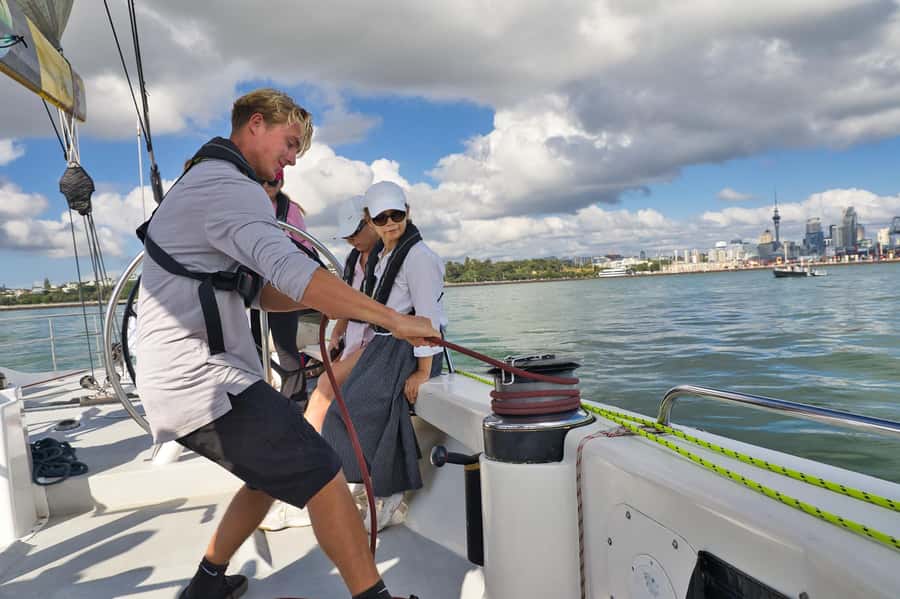
At $125 per person for a two-hour outing, this isn’t a budget activity. You’re paying for two things that are hard to fake: access to a real high-performance racing platform and real coaching that lets you participate.
Here’s how I judge value for a tour like this:
- You’re not getting a generic “boat ride.” You’re working around an America’s Cup-class yacht systems—helm, winches, grinders, and sail handling.
- The crew’s role matters. A lot of tours say hands-on; this one actually runs participation in a way that works for first-timers. Riders consistently mention that safety and instruction stay front-and-center.
- You’re buying a short, intense slice of Auckland from the water. The Viaduct area makes the city look close and cinematic, and the sailing motion keeps you alert.
If you want a calm, low-effort cruise, you may feel like the price is high for what you’re seeking. But if you want the feeling of racing machinery and you’re okay being active, two hours can be a surprisingly efficient way to get a once-in-a-while experience.
What to Expect on Your Day: Wind Limits and Changing Plans
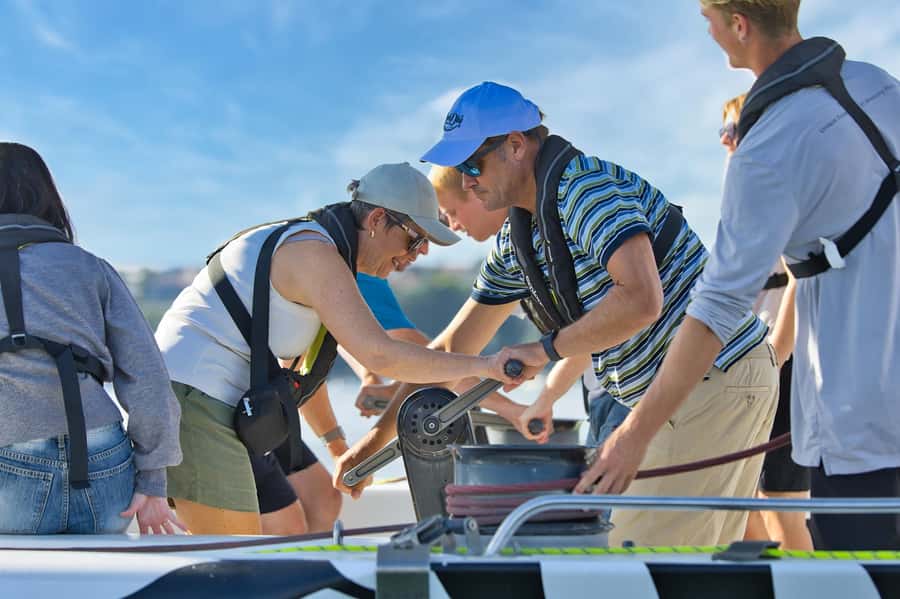
The sailing plan isn’t robotic. It responds to conditions because the yacht is operating within safety and comfort limits. Those wind limits exist for a reason, and the skipper makes the final call on whether the yacht sails and how it sails.
So what does that mean for you? It means your day’s intensity can vary. Some riders describe perfect conditions with good wind and clear excitement. Others mention lighter winds (and even light rain) leading to a less intense outing, and in at least some cases they received a voucher for another sail.
That variability is actually part of the logic of the experience. You’re on a precision racing yacht, not a theme-boat. If the wind isn’t there in the right way, the crew won’t force it just to satisfy a schedule. It’s worth mentally planning for two outcomes: you’ll still sail and participate, but the speed and heel angle can change.
Tips to Get the Most Out of Your 2 Hours
If you want to feel confident and comfortable, focus on the basics the tour asks for.
Bring comfortable shoes. You’ll be on a working yacht in wind, so you want grip and stability more than fashion. Leave luggage and large bags behind, since those aren’t allowed. Plan to travel light so you can get on and get to the action.
Mind your expectations about effort. People talk about grinders, winches, and taking the helm in the same breath as safety. That’s because involvement requires movement and attention. If you’re okay with that, you’ll likely find the trip energizing instead of exhausting.
One more tip: decide what role you want ahead of time, but stay flexible once you’re on board. It’s normal to start by watching and then volunteering when you feel the rhythm. The crew seems built to read your comfort level quickly and adjust accordingly.
Should You Book This America’s Cup Sail in Auckland?
I think this is an easy yes if you fit any of these:
- You want a real racing yacht experience, not a sightseeing boat with a story attached.
- You like participating—steering, sail handling, or working winches/grinders.
- You want to experience Auckland from the water in motion, with skyline views around the harbor and real sailing maneuvers.
I’d hesitate if you want a very relaxed ride, if you have medical concerns, or if you’re pregnant. The activity isn’t recommended for pregnant women and people with pre-existing medical conditions, and the tour notes you should contact the local partner after booking if anything medical comes up. Also remember: the yachts sail within wind limits, so you’re not guaranteed the maximum intensity on every date.
If you can handle a bit of physical movement and you’re excited by the idea of steering a high-performance yacht, this two-hour outing is one of the most direct ways to feel what the America’s Cup is actually about—wind, speed, teamwork, and learning by doing.
FAQ
Where do I meet for the sailing experience?
Meet at Viaduct Harbour, Auckland, at the kiosk inside the harbor at the end of Quay Street, past the New Zealand Maritime Museum.
How long is the America’s Cup sailing experience?
The tour lasts 2 hours.
Do I need any sailing experience?
No sailing experience is required. The crew provides a safety briefing and guidance, and you can participate at your comfort level.
What’s included with the tour?
You get the 2-hour sailing experience, a safety briefing, guidance from a professional crew, plus a life jacket and weatherproof jacket as required.
What should I bring?
Wear comfortable shoes. The tour also notes that luggage or large bags are not allowed.
Are there age limits for this activity?
The experience is suitable for children 10 years and over.
Is it okay if I’m pregnant or have a medical condition?
It’s not recommended for pregnant women and people with pre-existing medical conditions. The guidance given is to contact the local partner after booking to discuss any medical issues.
Will the yacht sail in all wind conditions?
No. These yachts have wind limits, and whether you sail depends on conditions. The skipper makes the final decision.
Is there a chance the tour won’t operate?
Yes, there’s a minimum number required to operate. If minimum numbers aren’t met, you’ll be offered an alternative date or a full refund.