REVIEW · AUCKLAND
Goat Island Experience Advanced Snorkel Tour
Book on Viator →Operated by Goat Island Dive & Snorkel · Bookable on Viator
Go under the surface and learn real skills. This advanced snorkel tour in Auckland’s Goat Island Marine Reserve turns a swim into a guided lesson, starting with technique tips and a solid safety focus. I like how the staff set expectations up front, then you go in with practiced breathing and close-look body positioning, not hope and guesswork.
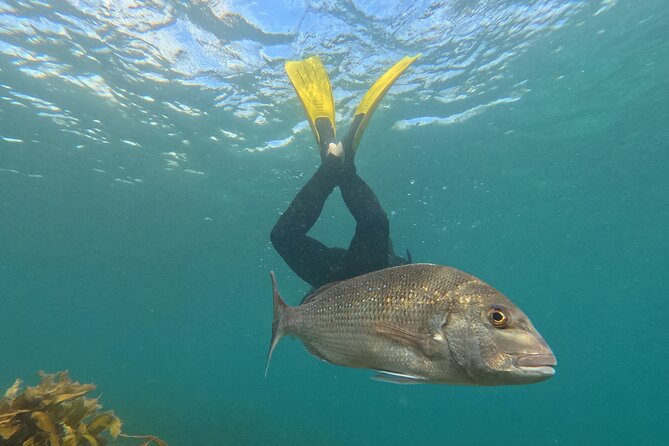
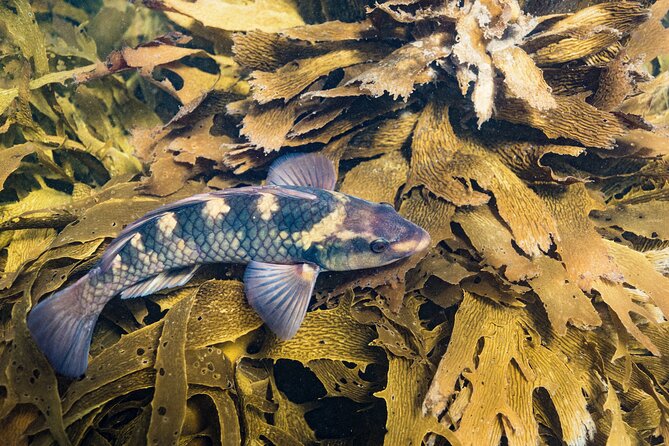
My favorite part is the attention to the details that actually change what you see. You’re steered toward the marine life you’ll likely meet—blue maomao, huge snapper, eagle and stingrays, blue cod, octopus, kahawai, and crayfish—and your guide helps you stay calm and comfortable in the water. On an advanced group, you also practice extra skills under supervision, like ducking down for a closer view.
One thing to think about before you book: this isn’t a first-timer free-for-all. You need prior ocean snorkeling, you must be able to follow English safety instructions, and the tour asks for moderate physical fitness (plus a minimum age of 12). If any of that sounds tight, you may want a gentler option first.
In This Review
- Key things you’ll notice right away
- Goat Island Marine Reserve: where the coast becomes a living classroom
- Advanced snorkel techniques: duck down practice with an instructor watching you
- The 2.5-hour flow: what happens before, during, and after you’re in the reserve
- The marine life list: what you’re actually hoping to see
- Safety and comfort: why the coaching makes the water feel manageable
- Equipment, weightbelt practice, and what you keep using after
- Price and value: is $58.95 worth it?
- Who this advanced snorkel tour is best for
- Should you book Goat Island’s advanced snorkel tour?
- FAQ
- How long is the Goat Island Experience Advanced Snorkel Tour?
- Where does the tour start?
- What do I need to join the advanced snorkel tour?
- Do I need prior snorkeling experience?
- How many people are in the group?
- Can I cancel for free?
Key things you’ll notice right away
- Small group size (max 12 people) means more direct coaching and less time waiting around
- Safety briefing before you get wet, then hands-on practice with your gear and weightbelt
- Advanced techniques for closer viewing, including ducking down while staying supervised
- A real marine-life target list, from snapper and blue cod to octopus and crayfish
- Wild-life surprises are possible, with dolphins or orca sometimes visiting the reserve
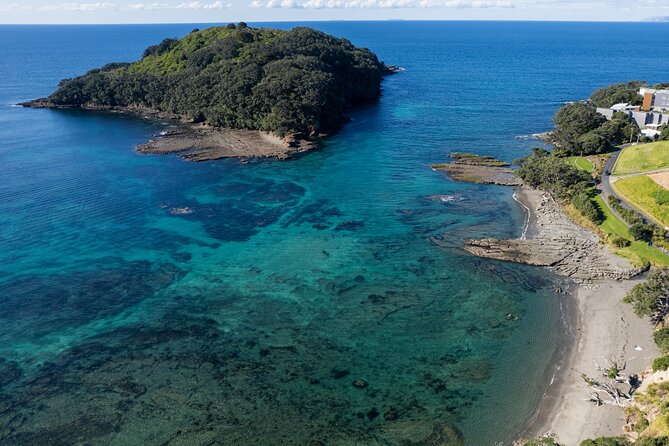
Goat Island Marine Reserve: where the coast becomes a living classroom
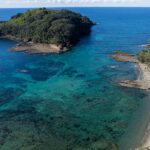
Goat Island sits in the Leigh area, and this tour leans hard into the idea that the water is the real attraction—and learning how to move in it makes the difference. Before you suit up, you get context on the Leigh Coast, the Goat Island Marine Reserve, and the Matheson Bay Rewilding Project. That background matters because it explains why the reserve approach is different than just snorkeling offshore. The goal isn’t to rush. It’s to slow down and behave like you belong in the ecosystem.
You’ll also get a quick rundown of the marine life you’re likely to meet. The tour doesn’t treat the ocean like a mystery box. Instead, you learn what to watch for, so when you’re finally in the water, your eyes have something specific to do. That shifts snorkel time from scattered scanning to purposeful looking—especially on an advanced session where your guide wants you in the right position to see fish up close.
One more practical point: the reserve setting is designed for “see more, stress less.” You’re not trying to cover distance. You’re learning how to stay safe while searching in the same area where fish come through, including larger species that may be hard to spot from a casual surface float.
You can also read our reviews of more tours and experiences in Auckland.



Advanced snorkel techniques: duck down practice with an instructor watching you
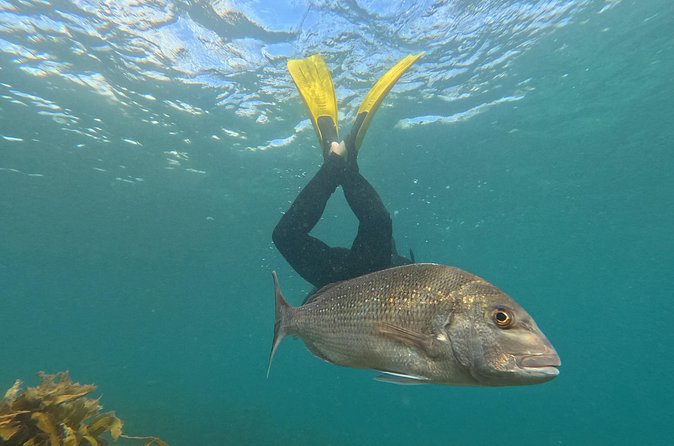
This is the part that makes it an advanced tour instead of a basic rental-and-go. The start of the experience includes tips on advanced snorkel techniques, and the staff teach you how to get closer while maintaining good control. In the advanced group, you’ll also learn extra skills such as ducking down (and staying oriented) to view fish in a more natural way.
What I like about this approach is the sequence. You don’t just hear instructions and jump in. You do a warm-up in controlled conditions, with supervision. You’ll be fitted with a weightbelt and practice the movements that help you get closer to the action. Then, once your gear is finalized and the group is ready, you move into the reserve.
This matters for comfort. Many people get nervous about what they can and can’t do underwater. A weightbelt changes how you float. Practice helps you avoid panic when your body feels different in the water. And supervision matters because you’re not left trying to figure it out mid-session.
The 2.5-hour flow: what happens before, during, and after you’re in the reserve
The tour runs about 2 hours 30 minutes total, with the main water time centered on the reserve experience. From the first moments, the pace is structured so you’re not standing around with gear you don’t understand.
Expect this order:
- A refresh on snorkel skills first, followed by a safety briefing.
- Equipment is finalized, then the group heads into the water.
- You wear your weightbelt and practice ducking under in the training portion.
- Then you snorkel in the Goat Island Marine Reserve with your guide supervising, helping you stay safe and comfortable.
There’s also a useful after-the-tour perk: after you finish, you can use the equipment for the rest of the day and keep exploring. That turns your payment into more than just the guided window. You get time with instruction, then additional independent snorkeling afterward—so you can linger in the areas that felt best for your comfort level.
Logistics are straightforward too. The activity begins at 142A Pakiri Road, Leigh 0985, New Zealand, and it ends back at the meeting point.
The marine life list: what you’re actually hoping to see
This tour gives you a specific set of targets. That’s not just fun marketing—it helps you focus your attention when you’re in the water.
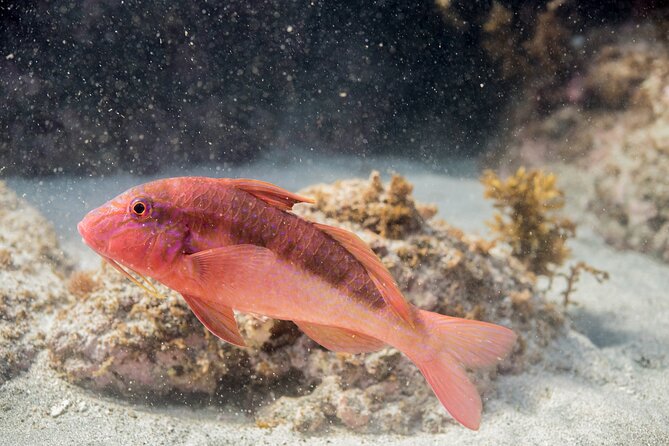
Here’s what you might spot in the Goat Island Marine Reserve:
- Blue maomao
- Huge snapper
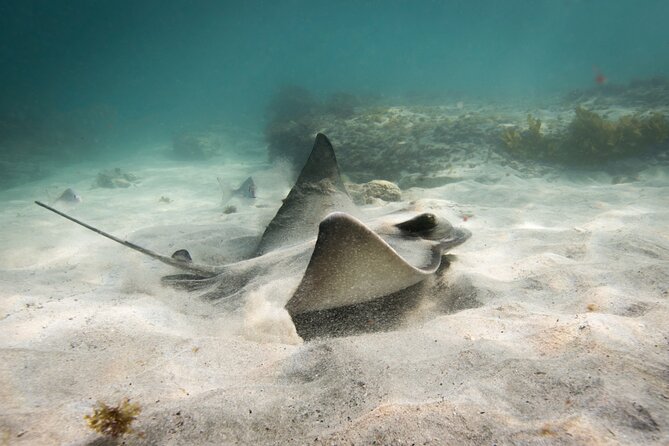
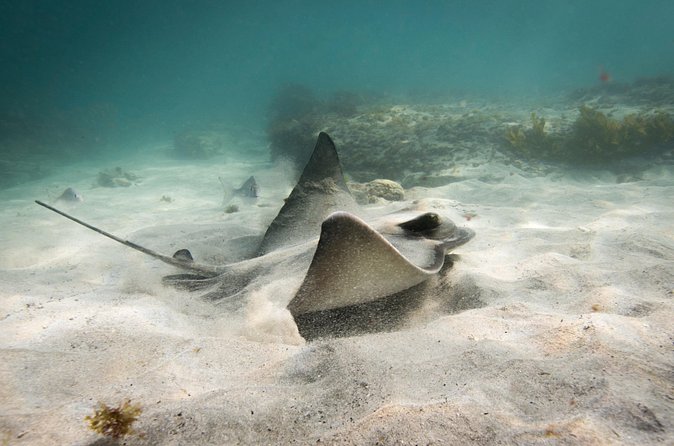
- Eagle rays and stingrays
- Blue cod
- Octopus
- Kahawai
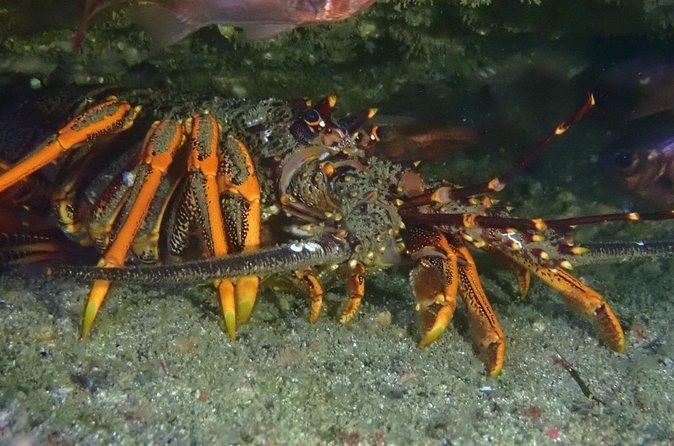
- Crayfish
Rays are a big reason people book an advanced session. They’re not always obvious from the surface, and getting closer in the right way helps you notice their movement and shape. The guides also help you stay positioned for better viewing instead of just drifting wherever current takes you.
And then there’s the wild-card factor. Sometimes dolphins or orca visit the reserve, and they may play with the snorkelers. That’s the kind of moment you can’t schedule. The best you can do is be ready, stay calm, and keep your gear situation sorted so you can enjoy it if it happens.
Safety and comfort: why the coaching makes the water feel manageable
Snorkeling can feel intimidating for reasons that have nothing to do with the ocean being dangerous—more like nerves, buoyancy, and not knowing what to do with your body. This tour tackles those points directly.
You start with a thorough safety briefing, and you go in with a guide who supervises you in the water. On top of that, the training portion helps you practice the movements that keep you comfortable and oriented while looking at fish closer than surface-only viewing.
In the feedback I saw, guides were singled out for professionalism and attentiveness. One guide named Skye came up for being especially good at making everyone feel comfortable in the water, including people who weren’t confident about going deep. The takeaway for you is simple: this tour is set up so you don’t need to be an underwater athlete to enjoy it. You do need focus and willingness to follow instructions.
A final comfort note: the tour requires moderate physical fitness, and it expects you to understand safety instructions in English. If you meet those requirements, you’ll likely feel better because the structure is there to reduce uncertainty.




Equipment, weightbelt practice, and what you keep using after
Gear is handled as part of the experience, not as an afterthought. You’ll finalize equipment right before entering the water, and you’ll practice with a weightbelt so your body learns how to move with less floating and better control.
That weightbelt practice sounds small on paper, but it changes everything in real water. It affects your buoyancy. It affects where your head sits in the water. It affects how easy it is to position yourself for a view of fish near the rocks and in the reserve area.
Then comes the bonus: after the tour, you can use the equipment for the remainder of the day. That’s excellent value if you’re the type who wants a second or third chance at sightings. It also helps if you need extra time to relax once you’ve done the coached portion once.
Price and value: is $58.95 worth it?
At $58.95 per person, this tour isn’t the cheapest way to get in the water. But it is priced like an instruction-led experience, and the value is tied to what you receive: advanced technique coaching, a safety-first approach, a small group cap (up to 12 people), and the reserve snorkeling time under supervision.
The other value angle is time. You’re not just paying for a quick swim. The whole session runs about 2.5 hours, and you get the equipment for more snorkeling afterward. That extends the payoff well beyond the initial guided window.
If you already know how to snorkel in the ocean, this is a smart next step because it teaches you to see more by changing how you move underwater. If you don’t have that ocean snorkeling experience yet, the tour’s requirement list (prior snorkeling, English safety understanding, moderate fitness, minimum age 12) is your signal that you’ll benefit more from instruction-based confidence first.
Who this advanced snorkel tour is best for
This works best for:
- People age 12+ who want an advanced skills session
- Anyone who has snorkeled in the ocean before and wants better control and closer viewing
- Visitors who like being guided, not left guessing
- Reef-and-fish watchers who want a structured marine-life target list and a safe plan to follow it
It may be less ideal if you:
- Are brand new to ocean snorkeling
- Are uncomfortable understanding safety instructions in English
- Are not able to meet moderate physical fitness needs
- Prefer a purely casual, no-practice water experience
The key is that the advanced group coaching is there to help you look closer while staying safe and comfortable. If that’s your goal, you’ll probably come away feeling more capable than you expected.
Should you book Goat Island’s advanced snorkel tour?
I’d book this if you want a real upgrade from casual snorkeling. The combination of technique coaching, safety practice with a weightbelt, and guided snorkeling in the reserve makes it feel like a structured way to meet the marine life on the tour’s target list. Add the chance of dolphins or orca, and it’s a session that can surprise you even when you think you know what to expect.
Skip it (or consider a gentler option) if you’re missing prior ocean snorkeling experience or you’re worried about the physical side of staying comfortable while ducking down and following underwater instructions. This tour isn’t about testing you. It’s about teaching you, but it does require the basics.
FAQ
How long is the Goat Island Experience Advanced Snorkel Tour?
It runs about 2 hours 30 minutes (approx.).
Where does the tour start?
The meeting point is 142A Pakiri Road, Leigh 0985, New Zealand, and it ends back at the same meeting point.
What do I need to join the advanced snorkel tour?
You should have moderate physical fitness, you must be able to understand safety instructions in English, and the minimum age is 12 years.
Do I need prior snorkeling experience?
Yes. You must have snorkelled in the ocean before.
How many people are in the group?
The tour has a maximum of 12 people.
Can I cancel for free?
Yes. You can cancel up to 24 hours in advance for a full refund, and it’s also weather-dependent, with a different date or a full refund if canceled due to poor weather.