REVIEW · AUCKLAND
Auckland: Whale and Dolphin Watching Half-Day Eco Cruise
Book on GetYourGuide →Operated by Auckland Whale & Dolphin Safari · Bookable on GetYourGuide
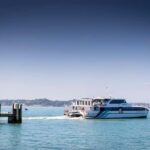
The catamaran feels like front-row ocean seats. From Auckland’s Viaduct Harbour you sail the Hauraki Gulf Marine Park on the Dolphin Explorer, scanning for orcas and bottlenose dolphins while you learn what makes the gulf tick.
What I like most is the up-close viewing (without acting like the animals are a theme park) and the fact you’re not just cruising—you’re getting hands-on marine science in plain English.
One possible drawback: whales are never guaranteed, and on a rougher day you’ll have to roll with whatever the ocean gives you.
In This Review
- Key reasons this cruise is a standout in Auckland
- Where you board: Auckland’s Viaduct Marina and a fast check-in rhythm
- Rangitoto Island and North Head: the quick sightseeing warm-up
- The eco-safari method: how Dolphin Explorer finds marine mammals
- Wildlife you might spot: orcas, dolphins, whales, and seabirds
- On-board scientists and guides: what the commentary adds to your day
- What to pack for a 65-foot catamaran whale-and-dolphin cruise
- Conservation and value: what your $130 ticket is really paying for
- Weather and cancellations: the part you should plan for
- Who this cruise is for (and who should think twice)
- Should you book the Auckland Whale and Dolphin Watching eco cruise?
- FAQ
- How long is the Auckland Whale and Dolphin Watching eco cruise?
- How much does the cruise cost?
- What’s included in the ticket price?
- Is food and drink included?
- What if I don’t see any marine mammals?
- What should I wear or bring?
- Are there age or pregnancy limits?
- Is the catamaran wheelchair accessible?
Key reasons this cruise is a standout in Auckland
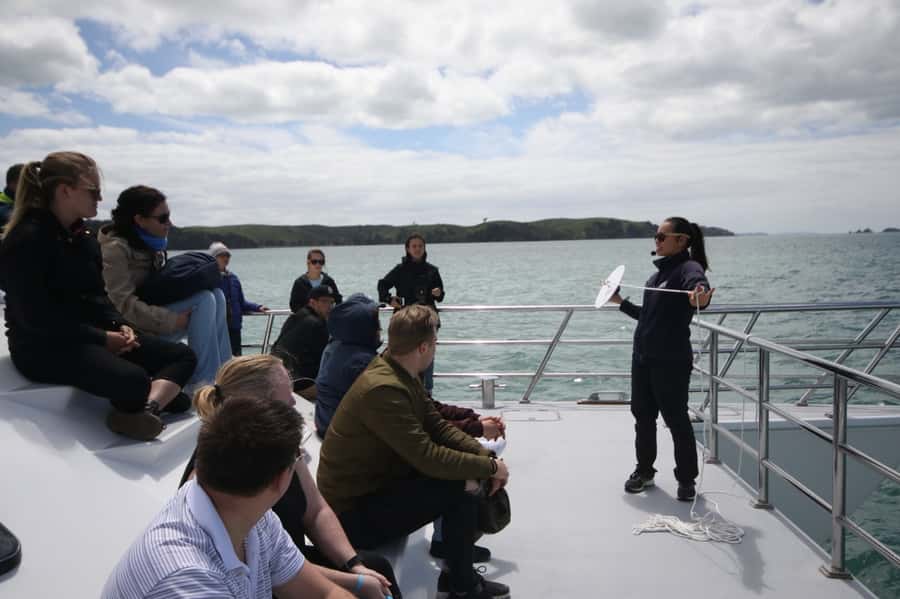
- Dolphin Explorer catamaran: a 65-foot luxury boat that still lets you see over the edge without fighting for a view
- Wildlife + birds together: you’re not only scanning for mammals; gannets and other seabirds can be a big part of the show
- Expert guidance from research-minded crew: commentary is tied to real marine research, not just generic fun facts
- A second cruise if sightings are slow: if you don’t see any marine mammals, you can go again
- Conservation support built in: a portion of each ticket supports the Hauraki Gulf Guardians fund
- Ethical operating style: the experience aims for closeness while keeping respectful distance and safe behavior around wildlife
Where you board: Auckland’s Viaduct Marina and a fast check-in rhythm
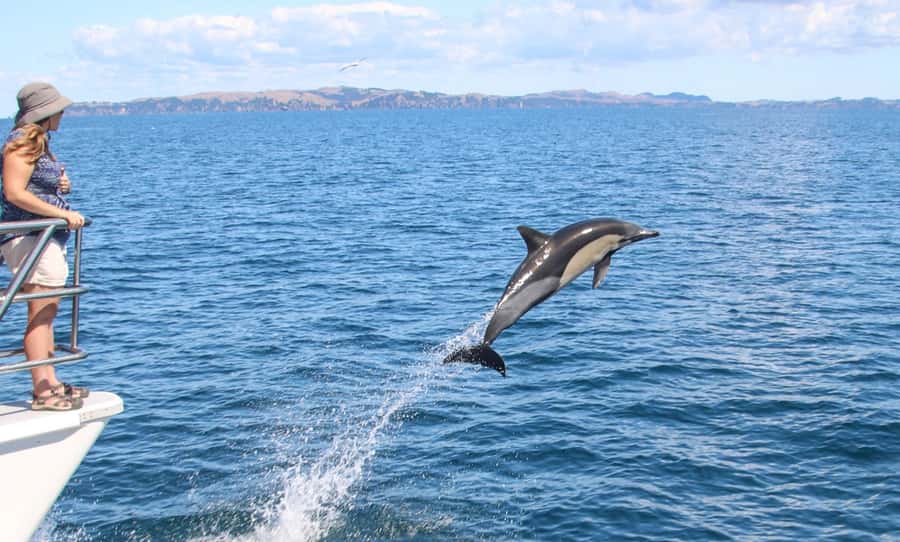
This cruise starts right where you want to be in Auckland: the Eastern Viaduct Marina area, near the action but not buried in suburban logistics. Your check-in point is Berth 9, Eastern Viaduct Marina—accessed from the end of Quay Street heading west, opposite the Maritime Museum.
You’ll want to arrive early. The crew checks you in at the top of the boarding ramp, and check-in closes 15 minutes before departure. For a smooth start, I’d give myself that buffer—especially because the vessel is accessed via stairs and narrow doorways (it’s not wheelchair accessible).
Practical note: this is a 4.5-hour outing on open water, so even if the itinerary feels “half-day,” dress like you’re staying out for the weather. You’ll move from dock to wind to sun to spray quickly.
You can also read our reviews of more boat tours in Auckland
Rangitoto Island and North Head: the quick sightseeing warm-up
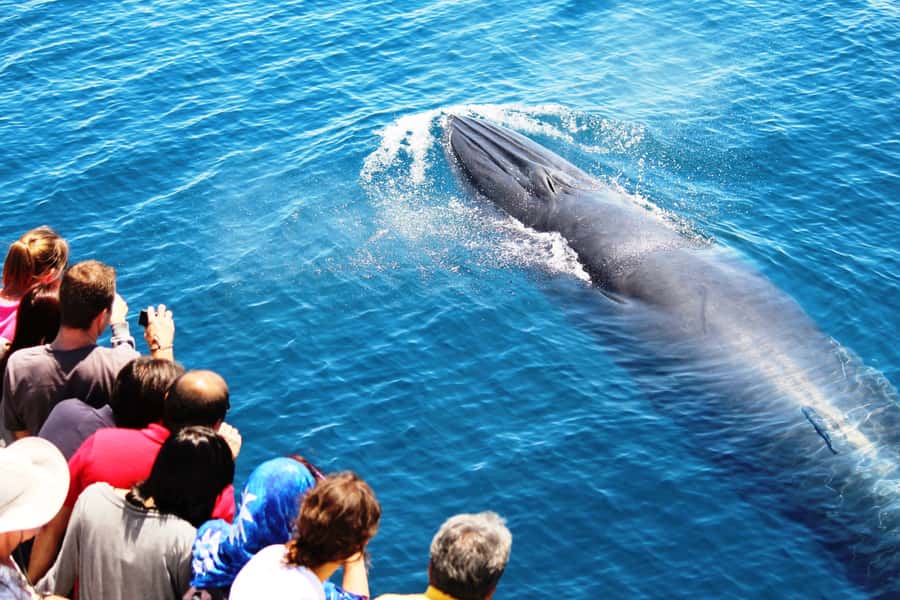
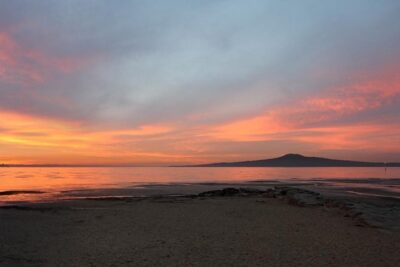
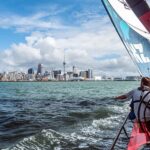
Before the main wildlife searching, you get a scenic “getting oriented” leg. You’ll cruise past notable landmarks such as North Head/Devonport and Rangitoto Island, then set your eyes on the Hauraki Gulf.
This section matters more than you might think. It’s your chance to:
- get used to the boat’s pace and the deck flow
- learn what to look for (and where to look) before the really good sightings start
- spot the gullies, channels, and coastline that help explain why marine life moves the way it does
If you’re the kind of traveler who likes context, this warm-up gives you a mental map fast. And if you’re only here for dolphins, it’s still a pleasant preview from the water—especially if you can catch Rangitoto in clear light.
The eco-safari method: how Dolphin Explorer finds marine mammals
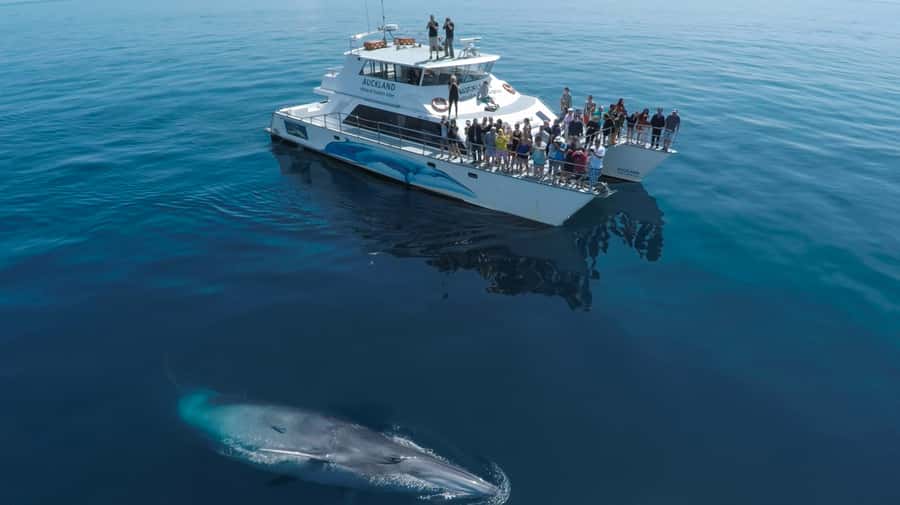
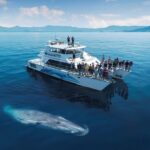
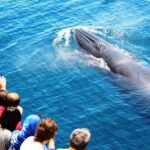
The heart of the experience is the search for wildlife inside the Hauraki Gulf Marine Park. The Dolphin Explorer is designed to get you closer than many whale-watching operations—so when a pod shows up, you’re in a better position to actually see behavior, not just guess at silhouettes.
What makes this cruise feel different is the way the crew frames the sightings. You’re not handed a checklist and left alone. You’ll get expert commentary tied to what the animals are doing and why they’re likely to be in a specific area.
You’ll also notice an ethical tone. On the boat, the focus stays on keeping distance and operating safely around wildlife. That balance is a real value for you, because it helps protect the animals and improves your viewing at the same time. Calm animals often mean longer observation windows.
Also, the itinerary includes a safety-driven option: if you don’t see any marine mammals, you can take the cruise again for free. That’s not a guarantee of whales, but it does remove a lot of the “pay and pray” stress.
Wildlife you might spot: orcas, dolphins, whales, and seabirds
Let’s be honest: most people book because of orcas and whales. But in the Hauraki Gulf, dolphins and birds can steal the show, and that’s exactly what you should plan for.
Here’s what the experience is built around:
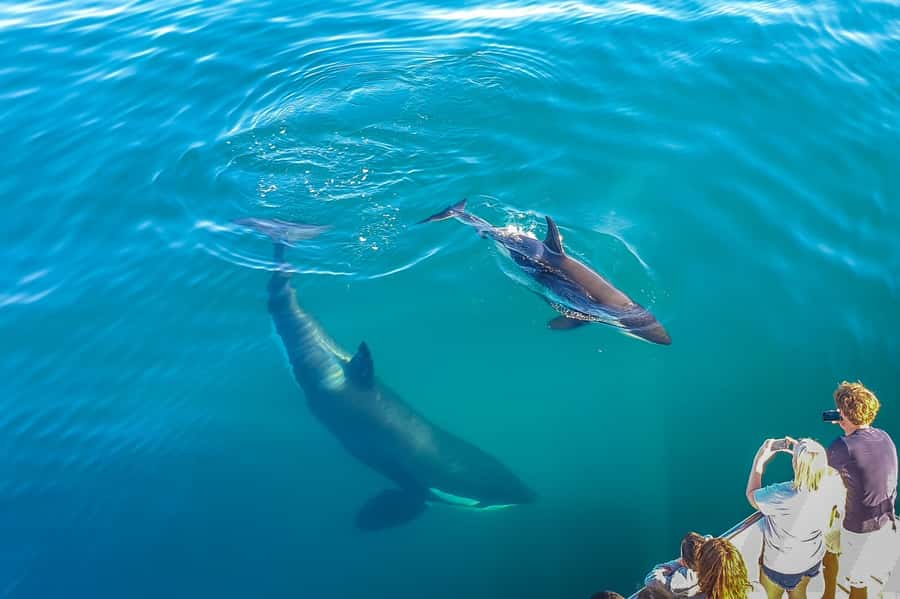
- Orcas and bottlenose dolphins visit waters close to the city, so they’re a regular target
- Whales can appear, though timing is always at the mercy of the ocean
- Sea birds often provide constant action between mammal sightings
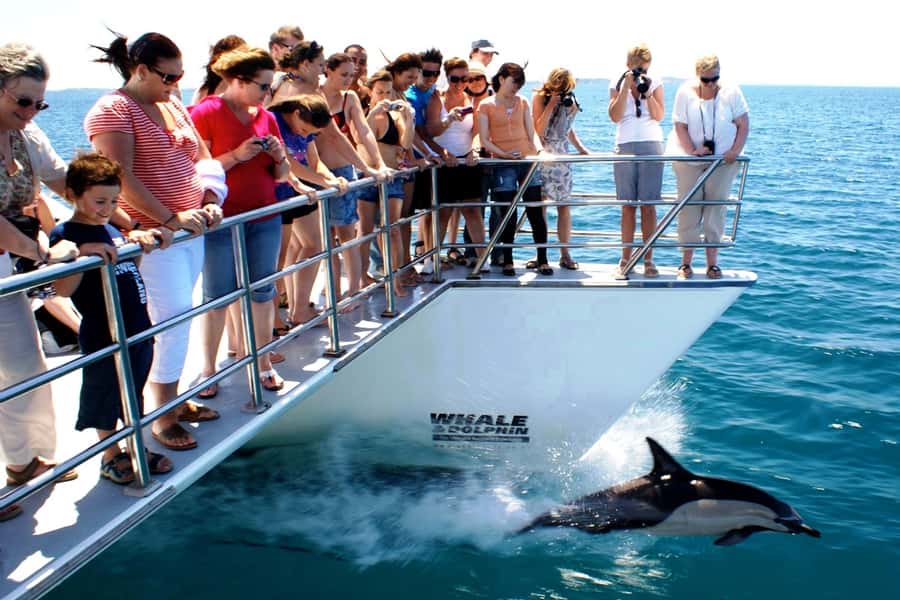
Based on real accounts from the experience, “dolphins + birds” is a common outcome even when whales don’t show up. You might see pods of common dolphins, and there are reports of baby dolphins making playful appearances near the boat. There are also sightings of gannets, plus other seabirds like shearwaters and even blue penguins.
And yes, unexpected extras happen. Some people have reported sharks in the mix (including hammerhead and blue shark sightings). Those surprises don’t mean you should expect them. But they do mean the cruise can feel more like an active wildlife day than a scripted attraction.
If you want the best odds emotionally, adjust your expectations. This is natural behavior, not a staged encounter. When you treat it that way, you’ll enjoy every “almost there” moment: surface activity, birds reacting, and then the animals finally showing themselves.
On-board scientists and guides: what the commentary adds to your day
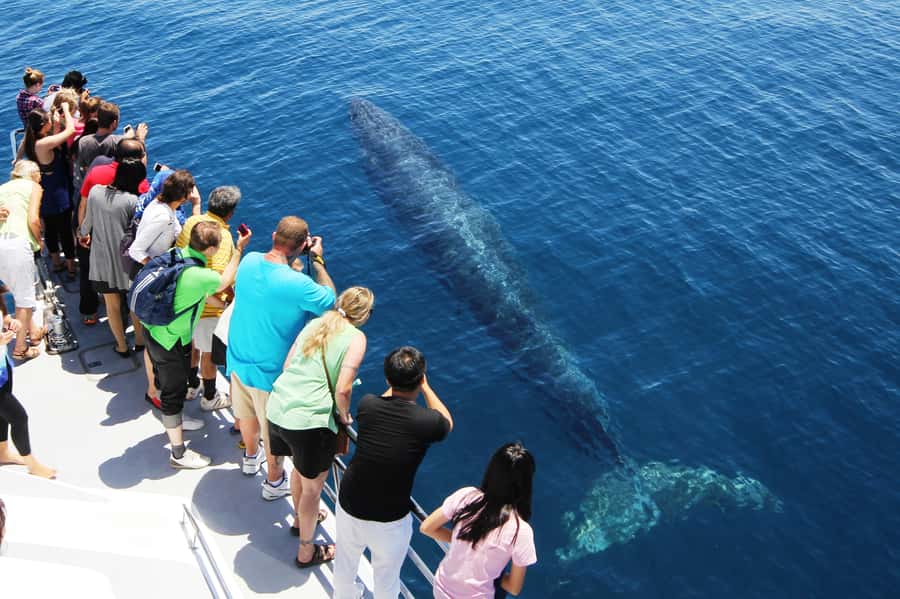
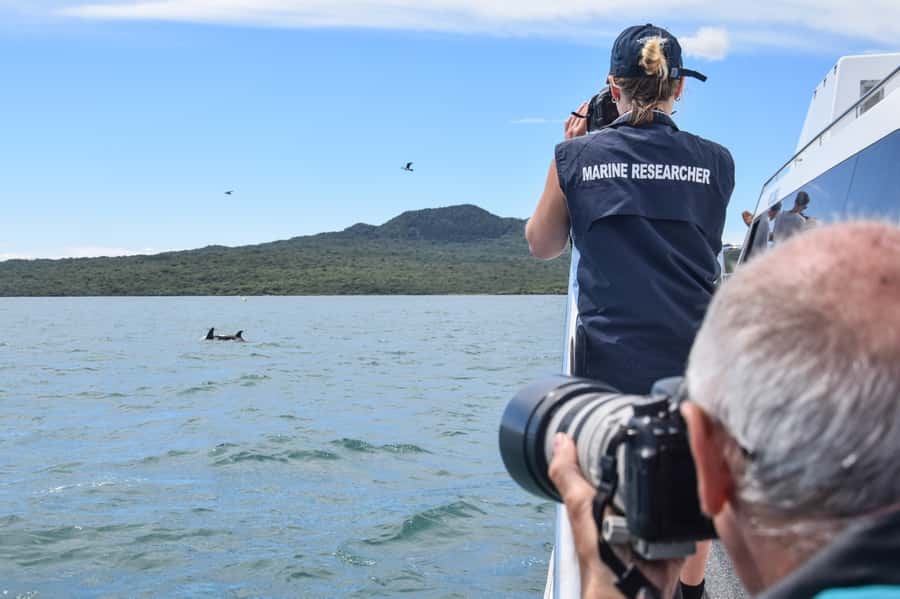
The guides are not just there to keep time and point at wildlife. Many of the crew members have a strong scientific connection to what’s happening on the water, and that changes the whole vibe of the ride.
You’ll hear expert commentary from the skipper, and you may also interact with marine research scientists during the day. Names that show up in real experiences include skipper John, plus guides and crew like Emily, Sanaa, Toni, George, Brittany, Jo, and Joseph.
What this gives you:
- You learn how the search works, not just what you saw
- You understand behavior patterns, not just species names
- You pick up simple “on the water” skills like what signals usually come before a pod surfaces
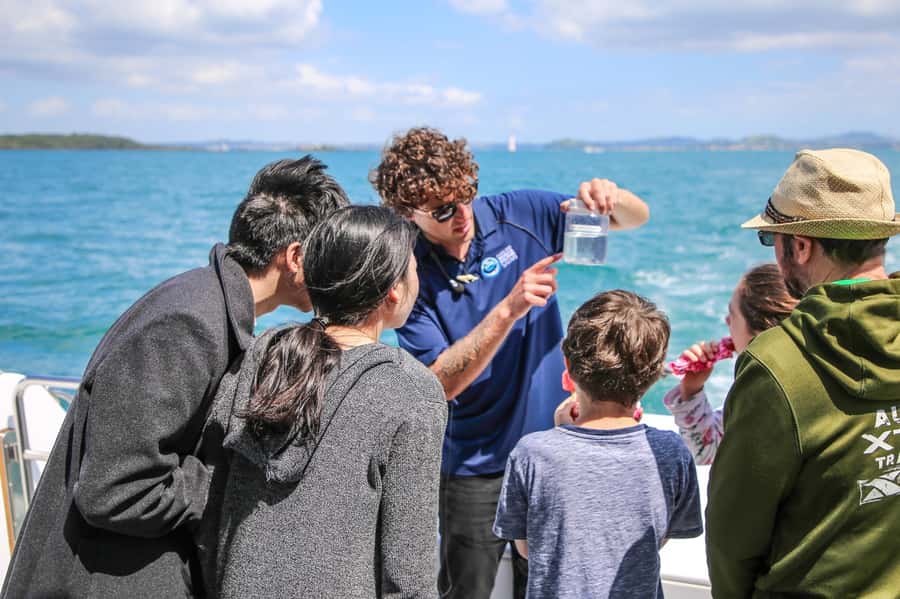
One attendee noted that the tour incorporated research into plankton. Another described moments where a sample was taken for research. Even if those parts aren’t constant every trip, the cruise does have a real science element. That makes your experience feel purposeful—like you’re watching the ocean while the crew watches it too.
You can also read our reviews of more whale watching tours in Auckland
What to pack for a 65-foot catamaran whale-and-dolphin cruise
Auckland weather can change quickly, and you’re on open water for 270 minutes. I’d pack like you’re going to be outdoors the whole time—because you are.
Bring:
- warm clothes
- a showerproof jacket
- a sun hat and sunscreen
- camera and binoculars (helpful for spotting far-off blows and birds)
- any personal medication you need
- sea-sickness medication if you get motion sickness
The crew also sells snacks and hot food, plus drinks (beer and wine available on board). But since food isn’t included, plan for your own pacing. If you like snacking steadily, bring a few extras or budget time to buy onboard.
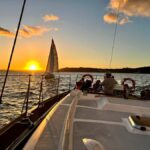
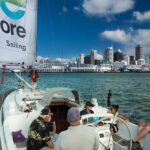
One more practical thing: the boat’s layout is designed for viewing, and it’s not just a giant crowd funnel. Accounts often mention plenty of seating options and space to see over the edge. Still, on windy days, you’ll want to pick a spot that feels comfortable for long stretches.
Conservation and value: what your $130 ticket is really paying for
At around $130 per person, this isn’t the cheapest way to see dolphins near Auckland. But you’re paying for a mix of things that add up:
- A luxury 65-foot catamaran experience
- Expert guiding and live commentary during the search
- The chance to see a range of marine life in Hauraki Gulf Marine Park
- The “second cruise if you don’t see any marine mammals” safety net
- A direct conservation contribution: a dollar from every ticket supports the Hauraki Gulf Guardians fund
That last point is not small. In a day where wildlife viewing depends on luck, it’s helpful to know your money is also backing ongoing protection work.
Is the price fair? For me, it feels most justified if:
- you want a half-day plan that’s easy from central Auckland
- you care about responsible wildlife viewing
- you’ll appreciate the science layer, not just the animals
If you’re only looking for the cheapest thrill, there are cheaper ways to be on the water. But if you want a viewing-focused, conservation-minded marine safari, this is solid value.
Weather and cancellations: the part you should plan for
This activity runs with safety at the center. The operator reserves the right to cancel trips due to wind, weather, or sea conditions.
You’re also not stuck if the day is derailed. In real scenarios, a storm warning led to a refund or rebooking option. That’s a big deal for you if your travel days are tight.
Still, don’t treat this like a guaranteed whale day. The ocean decides. Your best move is to dress for wind and spray, bring sea-sickness prevention if you need it, and keep an open mind: dolphins and birds can still make the day feel special even when whales stay out of sight.
Who this cruise is for (and who should think twice)
This works especially well if you:
- want to do a wildlife activity without leaving central Auckland
- care about ethical wildlife viewing and science-based explanations
- want a chance at mammals plus a strong bird-watching component
It may be less ideal if you:
- want a guarantee of whales or orcas (nature doesn’t promise that)
- have mobility concerns due to stairs and narrow doorways
- are heavily pregnant (the activity is not suitable for heavily pregnant women)
Unaccompanied minors aren’t allowed. Children under 5 can only join if closely supervised by a parent or guardian.
Should you book the Auckland Whale and Dolphin Watching eco cruise?
If you’re in Auckland and you want one outing that combines wildlife viewing, real marine science, and a conservation connection, I think it’s a strong choice. The second cruise option is also a real confidence boost if you’re worried about blank sightings.
Book it if you can be flexible about what you’ll see and you’re willing to dress for a wind-and-spray ocean day. Consider it a long, rewarding scan of the gulf—where dolphins, whales, or birds can become the highlight depending on conditions.
If your trip only allows one marine outing and you need whales specifically, keep expectations softer and focus on the overall experience. On many days, the dolphins and seabirds alone can make it worth it.
FAQ
How long is the Auckland Whale and Dolphin Watching eco cruise?
It runs for about 270 minutes (4.5 hours).
How much does the cruise cost?
The price is $130 per person.
What’s included in the ticket price?
You get the 4.5-hour eco-cruise, a guide, and a second cruise if you don’t see any marine mammals.
Is food and drink included?
No. Food and drinks are available to purchase on board.
What if I don’t see any marine mammals?
If you don’t see marine mammals, you can take the cruise again for free.
What should I wear or bring?
Wear warm clothes and bring a showerproof jacket, sun hat, and sunscreen. Bring a camera and binoculars if you have them, plus any personal medication. If you get sea sickness, take sea-sickness medication prior to the trip.
Are there age or pregnancy limits?
Unaccompanied minors are not allowed. Children under 5 may join only if closely supervised by a parent or guardian. The activity is not suitable for heavily pregnant women.
Is the catamaran wheelchair accessible?
No. The vessel is not wheelchair accessible due to stairs and narrow doorways.