REVIEW · AUCKLAND
Auckland: Tiritiri Matangi Island Ferry
Book on GetYourGuide →Operated by Explore Group New Zealand · Bookable on GetYourGuide
A birdsong day trip from Auckland. I love Tiritiri Matangi’s oldest working lighthouse and the chance to glimpse rare native species like kōkako, tīeke/saddleback, and tuatara in a pest-free sanctuary. The main catch is it’s not wheelchair-friendly and the walking tracks can be tiring, so comfortable shoes matter more than you think.
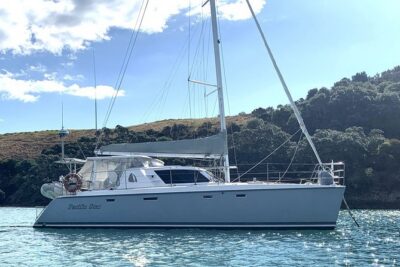
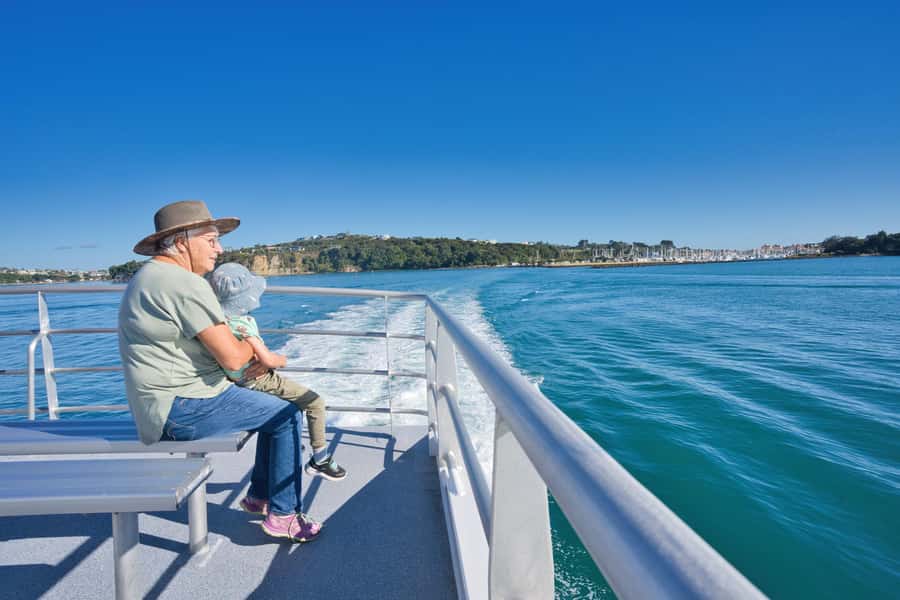
You’ll also get an easy cruise break in the middle of it: an about 80-minute ride through the Hauraki Gulf (Tikapa Moana) before you step onto an island that feels like another world. I like that the trip is structured enough to feel smooth, but open enough for you to wander at your own pace, including a beach stop for a swim or snorkel. Just keep an eye on weather, because a windy day on the water and a hot day on the island both change the experience.
In This Review
- Key highlights you’ll care about
- Tiritiri Matangi: why this day trip feels special
- The ferry cruise across Tikapa Moana: what you’re buying
- Auckland vs Gulf Harbour: picking the start that fits your day
- Island time on foot: tracks, forest regeneration, and real wildlife
- A balanced way to walk the island
- The oldest working lighthouse: history you can see (and not just read)
- Beach break for swimming or snorkeling (bring your togs)
- What the guides actually add: how birding turns into understanding
- Bring your own lunch: simple planning, better day
- What to pack for comfort (and what to leave behind)
- Who this tour suits best (and who may struggle)
- Is it worth $65? A value reality check
- Should you book this Auckland to Tiritiri Matangi ferry day?
- FAQ
- How long is the ferry ride from Auckland and from Gulf Harbour?
- Where do I meet for the Auckland departure?
- What time does the trip run on different days?
- Can I swim or snorkel on the island?
- Is food available on Tiritiri Matangi?
- Is there a guide, and what language do they speak?
- What should I bring for the day?
- Are drones or bikes allowed?
Key highlights you’ll care about
- Oldest working lighthouse in New Zealand: a big stop for history and views.
- Pest-free island sanctuary: the whole point is safe habitat for native birds and reptiles.
- About 80 minutes cruising each way on the Hauraki Gulf (Tikapa Moana).
- Walking tracks + native forest regeneration: more than one trail, more than one kind of scenery.
- Quiet sandy beaches for swimming/snorkeling: bring your togs and a towel.
- Rare species you can actually look for: kōkako, tīeke/saddleback, takahē, tuatara, plus more.
Tiritiri Matangi: why this day trip feels special
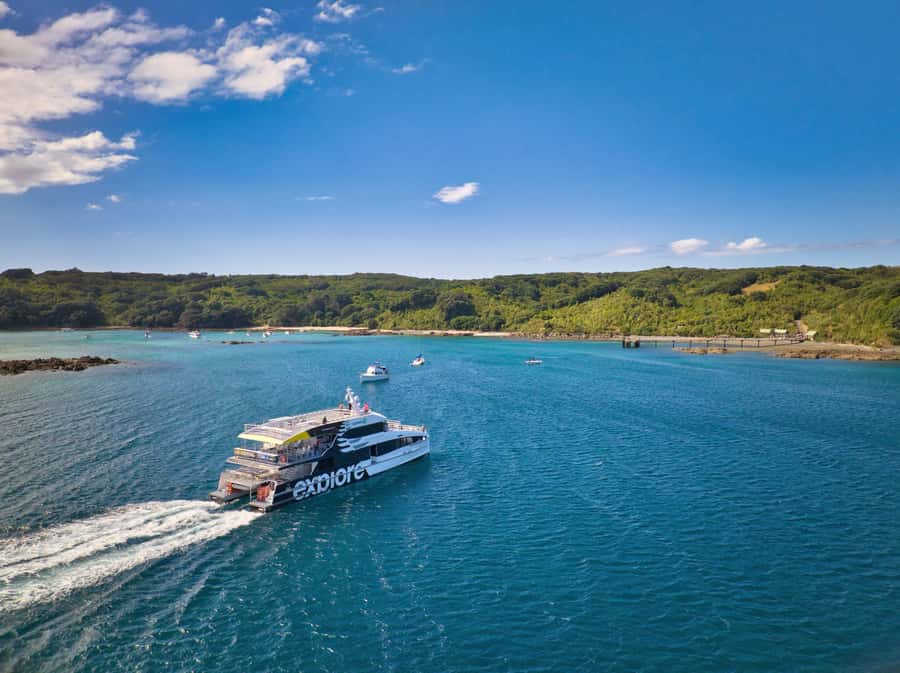
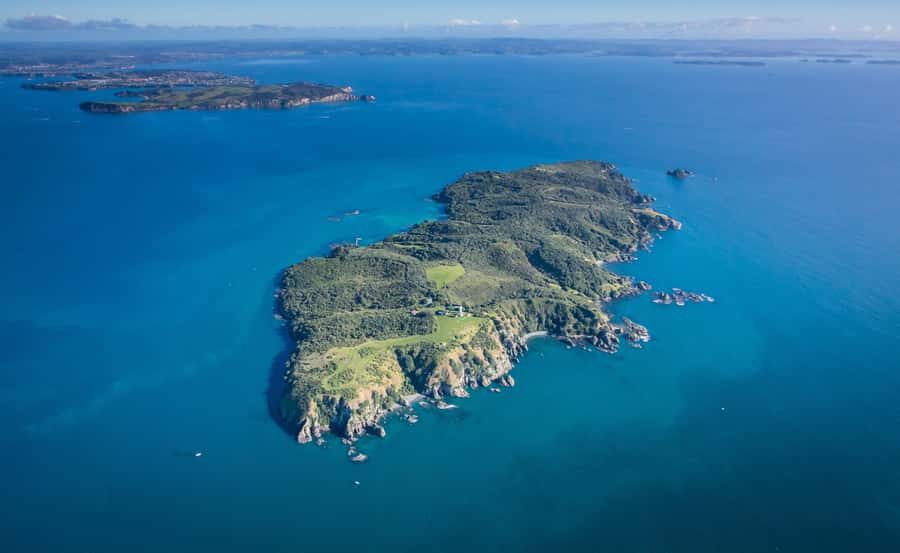
Tiritiri Matangi is one of those places where conservation work turns into something you can see with your own eyes. The island is pest-free, which means native species have a safer runway to feed, breed, and bounce back. That’s why the wildlife here can feel different from most mainland birding around Auckland.
I also like the “effort-to-reward” ratio. You’re not signing up for a complicated multi-day expedition. You’re getting a full half-day on land, plus a relaxing cruise, all from central Auckland or from Gulf Harbour. The result is a day that’s peaceful but not boring.
You can also read our reviews of more tours and experiences in Auckland.


The ferry cruise across Tikapa Moana: what you’re buying
The core of the experience is a ferry journey that’s long enough to matter, but short enough to keep your energy for the island. From Auckland, the cruise time is about 80 minutes each way; from Gulf Harbour, it’s about 25 minutes each way. Either way, you’re traveling through the Hauraki Gulf / Tikapa Moana, with plenty of time to settle in and enjoy the water.
This part matters because it sets the tone. Even if you’re arriving with a checklist mindset, the cruise gives you a breather. If you prefer a calmer first taste of the island, Gulf Harbour is a good option since the ride is shorter—less time onboard, more time on the tracks.
Auckland vs Gulf Harbour: picking the start that fits your day
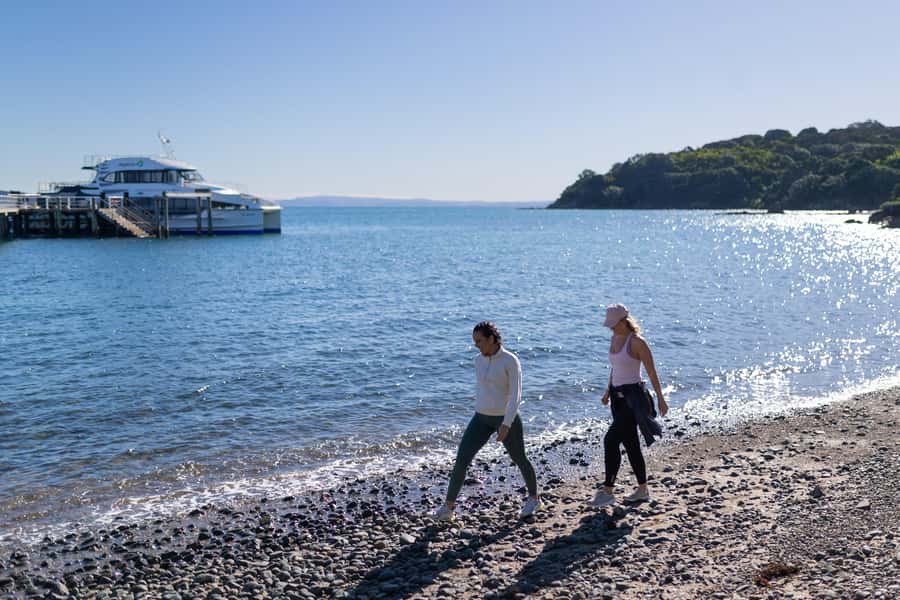
You basically have two convenient starting points, and the schedule shifts depending on which day you go.
- If you depart from Auckland, you’ll check in at the Explore Booking Kiosk, diagonally opposite the Maritime Museum, and you should arrive about 30 minutes early.
- If you depart from Gulf Harbour, you wait at the top of the ramp at the ferry terminal.
On Wednesday to Friday, the Auckland departure is 9:00am (via Gulf Harbour at 9:55am) and you land at Tiritiri Matangi at 10:20am, with return departing the island at 2:40pm. On Saturday, Sunday, and public holidays, the Auckland departure is 8:30am (via Gulf Harbour at 9:25am), arriving at 9:50am, with return departing the island at 4:00pm.
Practical tip: if your day is flexible, I’d choose based on daylight for walking and bird activity. If your timing is tight, Gulf Harbour’s shorter transfer can help you keep more energy for the island.
Island time on foot: tracks, forest regeneration, and real wildlife
Once you’re off the ferry, the day becomes all about walking and looking. You get access to the island’s walking tracks, and the setting is described as regenerating native forest with cliff-top viewpoints and quieter paths that can feel very “off the map” despite being easy to reach.
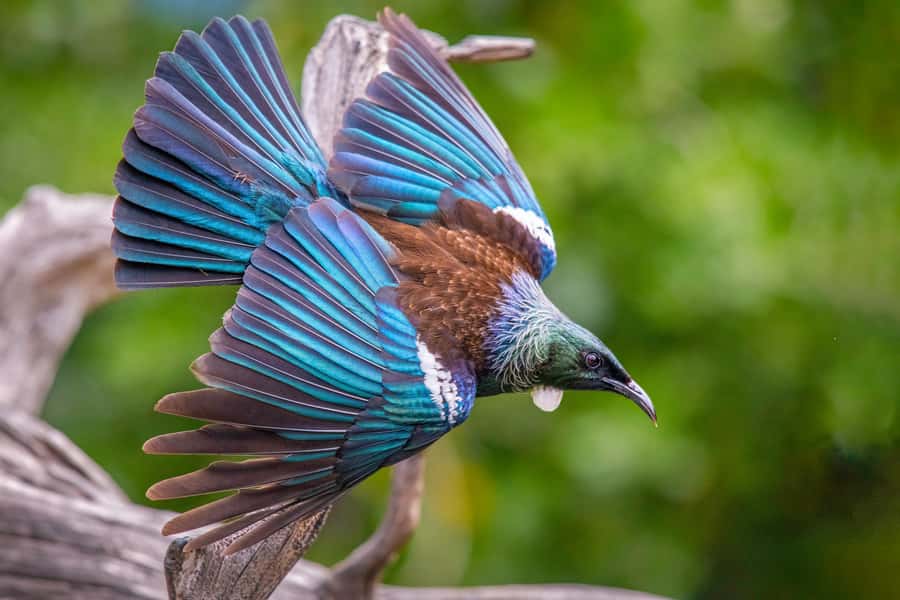
This is a strong match for bird lovers because Tiritiri Matangi focuses on species you might not see easily elsewhere around the Auckland region. You can go looking for kōkako, tīeke/saddleback, and takahē, and you might also spot tuatara (a highlight for several people). The exact sightings are never guaranteed, but pest-free habitat makes the odds far better than many other outings.
A balanced way to walk the island
Don’t treat it like a race. A lot of the value is in slow movement—pausing when you hear birdsong, scanning tree lines, and letting the track do the work. One caution from real-world experience: even on a well-maintained island, parts of the walk can be physically demanding. If you have an injured ankle or you know you tire quickly, plan for shorter routes and take breaks early.
Also, try not to over-focus on only the main track. Some small detours can give you quieter bird moments, while bigger crowds tend to cluster along the busiest routes.



The oldest working lighthouse: history you can see (and not just read)
A stop at the lighthouse is part of the island’s emotional impact. Tiritiri Matangi has the oldest working lighthouse in New Zealand, and being there turns conservation into something tangible: it’s not only about protecting wildlife, it’s also about preserving heritage on the island.
Think of this as your “reset point.” After time moving through forest and tracks, you get an open view moment, plus a chance to look back across the island and imagine how long people have used this area. If the weather cooperates, the lighthouse area also tends to be a natural place for photos and a calm pause.
Beach break for swimming or snorkeling (bring your togs)
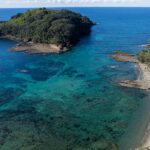
One of the more practical perks: you can take a swim or snorkel at the island’s quiet sandy beaches. The key is that you need to show up ready, since there are no shops on the island.
So pack your swimwear and a towel. If you like snorkeling, remember that you’re working with what the day gives you—conditions can change. Still, even a quick swim can be the perfect reset after hours of bird-watching and walking.
And yes, you’ll want to protect yourself from sun. Bring sunscreen and a hat because you’re out in the open at points on the island.
What the guides actually add: how birding turns into understanding
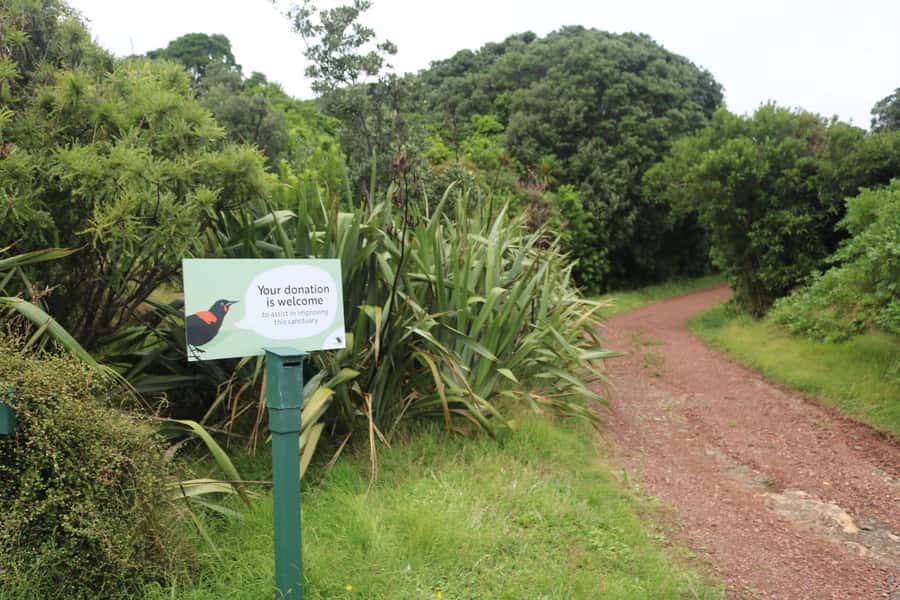
A major reason this trip scores well is the human layer—especially the way guides help you “read” the island. You get a live tour guide in English, and many people highlight how much they learned through the walk.
Named guide examples from the experience include Vishnu, Malcolm Pullan, Tina, and Anne. The common thread in their approach seems to be practical: they connect bird and plant life to what restoration is trying to fix, and they keep the group moving in a way that feels together without turning it into a march.
If you’re the type who wants to know what you’re seeing, this is where you’ll get value. Ask questions when you stop—about what the birds are doing, how pest-free management helps, and which parts of the track are best for listening and spotting.
Bring your own lunch: simple planning, better day
This is not a “buy your food on site” kind of trip. There are no outlets on the island, so you should bring your own lunch and snacks. Pack it in a sealed container and bag so you’re not relying on last-minute solutions.
On the ferry itself, you may have access to drinks and snacks (some people note a bar onboard). But I would still plan as if you’re fully self-sufficient once you arrive on the island. It’s easier, calmer, and it keeps you from losing time during the best walking hours.
What to pack for comfort (and what to leave behind)
This day trip works best when you’re prepared for both land and water. Based on what’s recommended, I’d pack:
- Comfortable shoes for walking tracks
- Hat, sunscreen, and water
- Camera for wildlife and lighthouse photos
- Snacks and your lunch in sealed containers
- Swimwear and a towel for beach time
- A bit of patience for bird sightings that take time
And leave these at home:
- Drones (not allowed)
- Bikes (not allowed)
- No smoking, littering, feeding animals, or touching plants
Who this tour suits best (and who may struggle)
I think this is a great match if you want an easy day trip that still feels like you left the city behind. It’s especially strong for:
- Birdwatchers who like hearing birdsong and scanning habitats
- Nature lovers who want a pest-free conservation setting
- People who want a meaningful wildlife day without a long drive or a multi-day plan
It may be less ideal if you need wheelchair access, since the tour is listed as not suitable for wheelchair users. Also, if you’re not comfortable with walking for several hours, you’ll want to pace carefully and possibly stick to easier portions of the track network.
Is it worth $65? A value reality check
At $65 per person, you’re paying for more than just a ticket to a pretty island. This price covers:
- The ferry ride (about 80 minutes each way from Auckland, about 25 minutes from Gulf Harbour)
- Access to walking tracks
- Time with a live English guide
- Swimming/snorkeling opportunities
Here’s the value angle I like: you’re not paying extra for the “interpretation.” A guide helps you connect what you see (birds like kōkako and tīeke/saddleback, plus tuatara) to why it’s rare and why it matters. For many people, that’s the difference between a pleasant walk and a day that sticks with you.
If you compare it to paying for separate transport plus a wildlife guide experience, this bundles the day neatly.
Should you book this Auckland to Tiritiri Matangi ferry day?
Book it if you want a calm, high-value conservation day that’s close to Auckland and built around real nature. You’ll get the ferry cruise through the Hauraki Gulf, walking access to a pest-free sanctuary, a lighthouse stop, and a beach break—plus a guide who can help you actually understand what you’re spotting.
Skip it or choose a shorter, lower-effort plan if you can’t handle uneven walking tracks or you need wheelchair access. Also, if you hate the idea of bringing your own lunch, plan ahead because there are no island shops.
If you like bird sounds, native plants, and the feeling of being somewhere quiet and protected, this is the kind of trip that earns your camera time and then keeps earning your attention once you’re back onboard.
FAQ
How long is the ferry ride from Auckland and from Gulf Harbour?
From Auckland, the cruise each way is about 80 minutes. From Gulf Harbour, it’s about 25 minutes each way.
Where do I meet for the Auckland departure?
You’ll check in at the Explore Booking Kiosk, diagonally opposite the Maritime Museum. Arrive about 30 minutes before departure.
What time does the trip run on different days?
Wednesday to Friday: depart Auckland 9:00am (via Gulf Harbour 9:55am), arrive 10:20am; depart Tiritiri Matangi 2:40pm (via Gulf Harbour 3:05pm), arrive Auckland 4:00pm.
Saturday, Sunday, and public holidays: depart Auckland 8:30am (via Gulf Harbour 9:25am), arrive 9:50am; depart Tiritiri Matangi 4:00pm (via Gulf Harbour 4:25pm), arrive Auckland 5:20pm.
Can I swim or snorkel on the island?
Yes. There are swimming and snorkeling opportunities at the quiet sandy beaches, so bring swimwear and a towel.
Is food available on Tiritiri Matangi?
No. There are no outlets on the island, so bring your own lunch and snacks.
Is there a guide, and what language do they speak?
Yes, there is a live tour guide who speaks English.
What should I bring for the day?
Bring comfortable shoes, a hat, swimwear and a towel, a camera, snacks, sunscreen, and water.
Are drones or bikes allowed?
No. Drones and bikes are not allowed.