REVIEW · AUCKLAND
From Auckland: Rotorua Māori Village & Hot Springs with Haka
Book on GetYourGuide →Operated by Expedigo NZ · Bookable on GetYourGuide
Rotorua hits you fast: steam, earth, and song. This 12-hour day tour blends an active Māori village visit at Whakarewarewa with a proper soak at the Polynesian Spa, then finishes with the world-famous Haka performance.
What I like most is how you get both sides of Rotorua in one go: real geothermal sights (mud pools, spouting vents, and silica formations) and a guided cultural program in an ongoing community.
The trade-off is simple: it’s a long day from Auckland. Expect a big chunk of time on the road, and the tour is not suitable for wheelchair access.
In This Review
- Key Things to Know Before You Go
- Auckland to Rotorua in One Long Day: What the 12 Hours Feel Like
- Hotel Pickup, Touring Pace, and the Best Way to Set Yourself Up
- Whakarewarewa Māori Village: An Active Community with Real Geothermal Life
- Geothermal Highlights at Whakarewarewa: Mud Pools, Geysers, and Silica Formations
- Māori Song, Dance, and the Haka Performance: The Moment You’re Actually Coming For
- Lake Rotorua Photo Views: A Quick Look That Adds Context
- Polynesian Spa Mineral Pools: How to Plan Your Soak (and What to Bring)
- Price and Value at $236: What You’re Really Paying For
- Who This Tour Fits Best (and Who Should Skip It)
- Guides and What They Can Change About Your Experience
- Should You Book This Tour?
- FAQ
- How long is the tour?
- What’s included in the price?
- Do I need to pay for food and drinks?
- Will I see the Haka performance?
- What should I bring for the spa?
- Is swimwear available if I forget mine?
- What about mobility needs or health conditions?
- Are children allowed?
Key Things to Know Before You Go
- Small group (up to 11): more attention from your guide during stops.
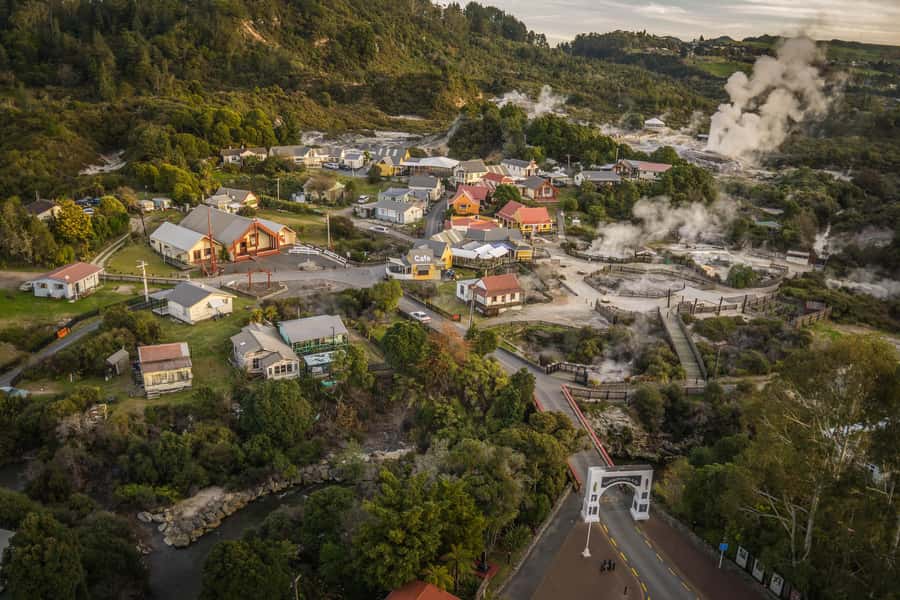
- Living Māori village experience: you meet locals in Whakarewarewa, not a quick photo stop.
- Geothermal walking time: mud pools, steaming vents, and geyser views are part of the rhythm.
- Haka performance included: a cultural highlight built into the schedule.
- Polynesian Spa mineral pools (about 2 hours): the recovery moment after Rotorua’s heat and walking.
- English guide with local tips: guides like Brendan, Matt, and Huzefa are often praised for pacing and guidance.
Auckland to Rotorua in One Long Day: What the 12 Hours Feel Like
This is the classic Auckland-to-Rotorua push: leave the city, spend your day in Rotorua, then get back after dark or late afternoon depending on timing. The tour is listed at 12 hours, and most of that time comes down to the drive. That matters, because you want Rotorua to feel like the payoff—not like a rushed checklist.
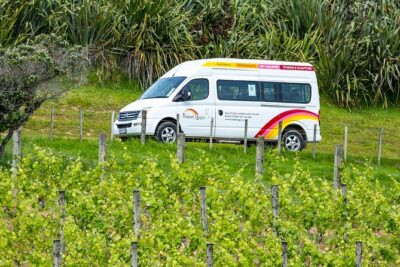
The upside is you don’t have to plan the logistics. You get round-trip bus transport, hotel pickup from selected Auckland CBD-style locations, and a guide onboard to keep the day organized. Pickup typically starts up to 20 minutes before departure, and your exact stop can vary by day, so set yourself up to be ready and waiting.
Also, this is a small group tour (limited to 11). That size tends to make the guided parts feel more like a shared experience than a lecture with a microphone. In the village and at the spa, it’s easier for your guide to check in and help with timing.
You can also read our reviews of more tours and experiences in Auckland
Hotel Pickup, Touring Pace, and the Best Way to Set Yourself Up
Your day runs on real-world timing, and the schedule leaves room for basic breaks, so you’re not stuck in a seat the whole time. Several guides (like Matt and Huzefa in past trips) have been noted for adding helpful rest stops and for smart route-awareness when traffic gets ugly.
A practical note: you’ll be moving through different kinds of terrain—geothermal paths at Whakarewarewa and wet-surface areas at the spa—so plan footwear and clothing like you’re doing two mini-adventures back-to-back. Flip-flops are useful at the spa (and they’re listed), but you may also want something more secure for uneven ground in the village area.
Before you leave, do two things that make the day smoother:
- Bring a reusable water bottle (you’ll appreciate it on a geothermal day).
- Pack swimwear in a way that’s easy to reach later, because the spa portion comes after the village.
Whakarewarewa Māori Village: An Active Community with Real Geothermal Life
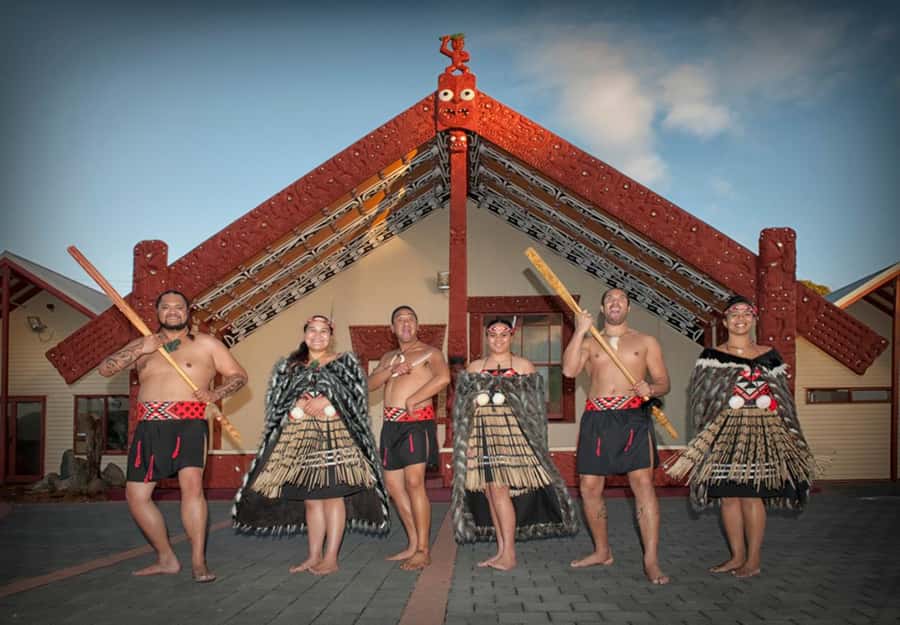
This is the heart of the tour. You arrive at Whakarewarewa Village and step into a Māori community that’s described as living and working, not staged for tourists. You’re greeted by steam in the air and geothermal activity around you right away, which changes how the cultural program lands. It’s harder to treat the experience as a “show” when the environment is part of daily life.
The guided portion is about 3 hours. In that time, you’ll learn customs and everyday patterns tied to the land. Many participants have highlighted guides and village hosts who explain things clearly—names that have shown up in praised guides include Michael (explaining village life), and also English-language guides across different departures like Brendan, Jason, JJ, and Huzefa.
Two big values here:
- The geothermal environment is not just scenery—it’s part of how people understand place, food, and routine.
- You get the cultural context first, then the performance later, which helps the Haka and songs make more sense.
One consideration: the village time is structured, and you’ll be on your feet for stretches. If you’re looking for total downtime, you might find it active.
Geothermal Highlights at Whakarewarewa: Mud Pools, Geysers, and Silica Formations
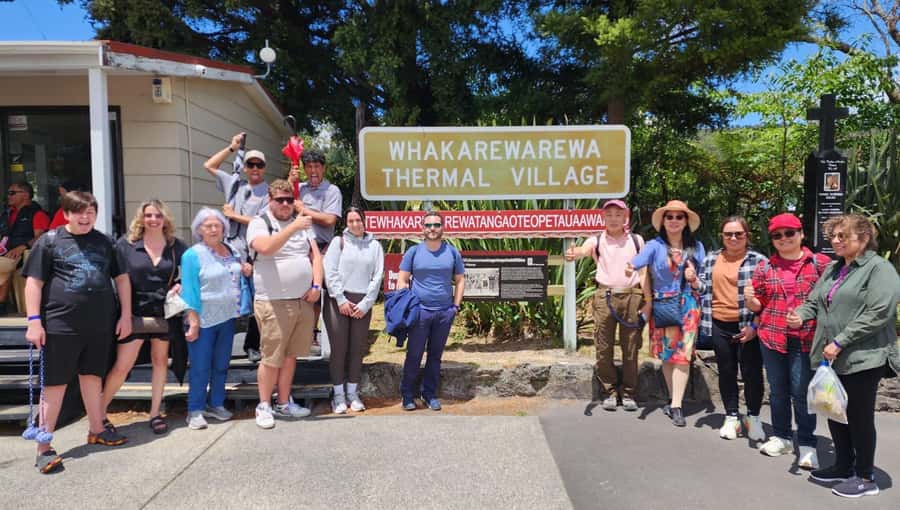
Rotorua’s geothermal area can look surreal even when you’ve seen photos. What I like about this tour setup is that the geothermal sights aren’t a separate “science stop.” They’re woven into your village visit, with guided storytelling while you look at the features.
Expect to see:
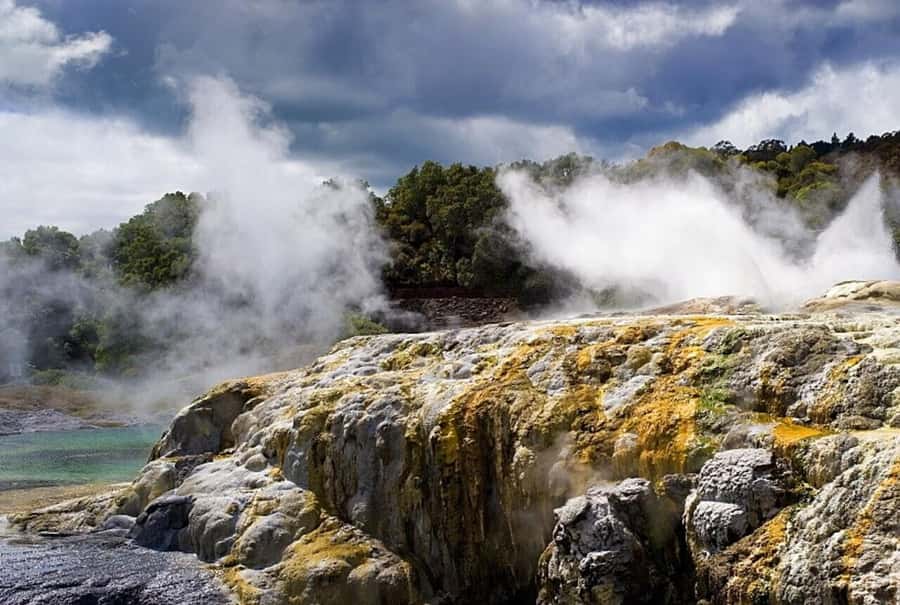
- Mud pools (bubbling and steaming, with earthy smells that come and go)
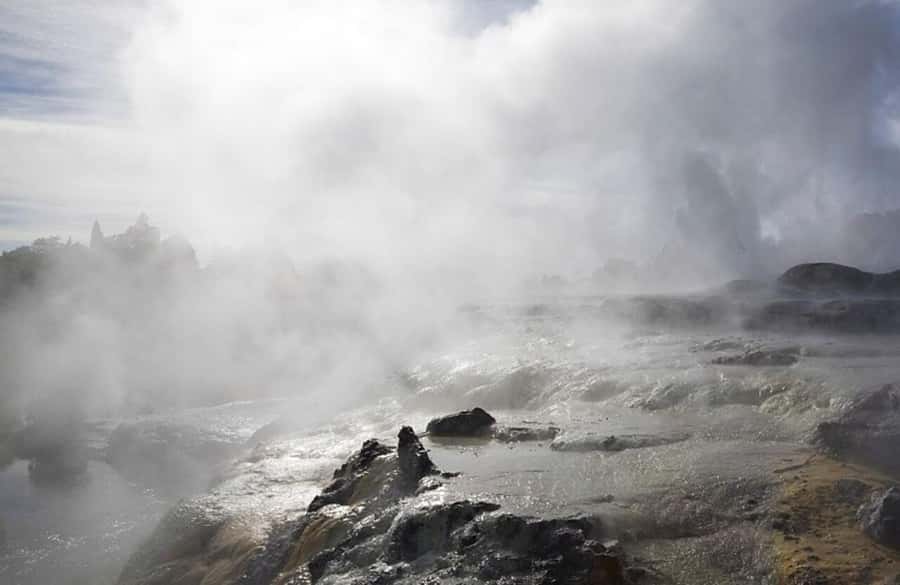
- Spouting geysers and steaming vents
- The famous Rotorua geothermal look tied to silica formations—those pale, sintery textures nature creates as water and minerals build up over time
You also get time to explore the geothermal park area at your own pace after the cultural program. That flexibility helps. You can spend longer at the spots that catch your eye—especially if you’re the type who likes to slow down for photos and details like steam patterns and texture lines in the ground.
Small practical tip: geothermal areas can be slippery and warm. Wear clothes you don’t mind getting a little earthy. And yes, the smell of sulphur is part of the deal, so don’t plan to start the day in brand-new fragrances or shoes you love.
Māori Song, Dance, and the Haka Performance: The Moment You’re Actually Coming For
The performance is a central piece of the day. You’ll experience traditional Māori songs and dances, and the schedule includes a world-famous Haka. Based on guide feedback and participant comments, this is where the tour’s energy spikes—partly because it’s intense, partly because it’s performed after you’ve already learned some cultural context.
The way the day is structured helps. You’re not thrown into a performance cold. You’re learning village life and customs first, and then the show becomes more than entertainment. It becomes communication—what a group wants to show, what it wants to carry forward, and how it uses rhythm and movement to tell a story.
What to expect in your body: the Haka is loud and physical. If you’re sensitive to strong sound or sudden movement, take a position where you feel comfortable (and don’t block your own view). Otherwise, it’s one of those moments where you’ll probably forget about the road time for a few minutes.

Lake Rotorua Photo Views: A Quick Look That Adds Context
There’s a short Lake Rotorua sightseeing stop—listed as about 15 minutes, and described as a pass-by view. Don’t expect a deep detour here. This segment is more about giving you a visual anchor for the region: water, forest edges, and that Rotorua look that makes the geothermal zone feel like a world apart.
If you want great photos, use the time efficiently. Step out, grab your shots, then get back on. The tour is built around longer anchor stops at the village and the spa, so the lake segment is brief by design.
Polynesian Spa Mineral Pools: How to Plan Your Soak (and What to Bring)
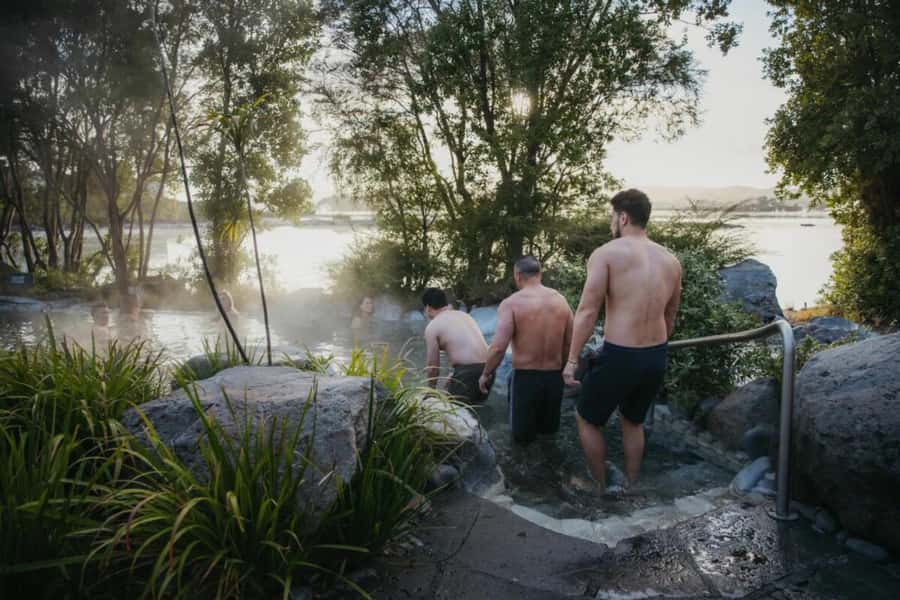
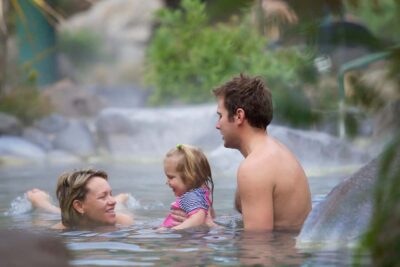
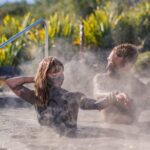
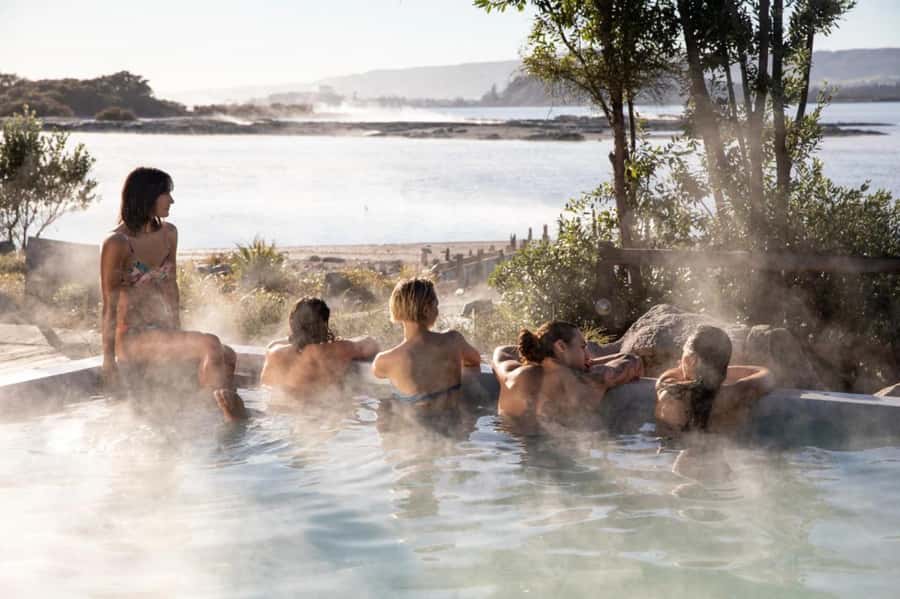
After Rotorua’s heat and walking, the Polynesian Spa is the relief valve. You get about 2 hours here, with spa entry included and time for a meal you purchase on site (food isn’t listed as included, even though lunch time is on the schedule).
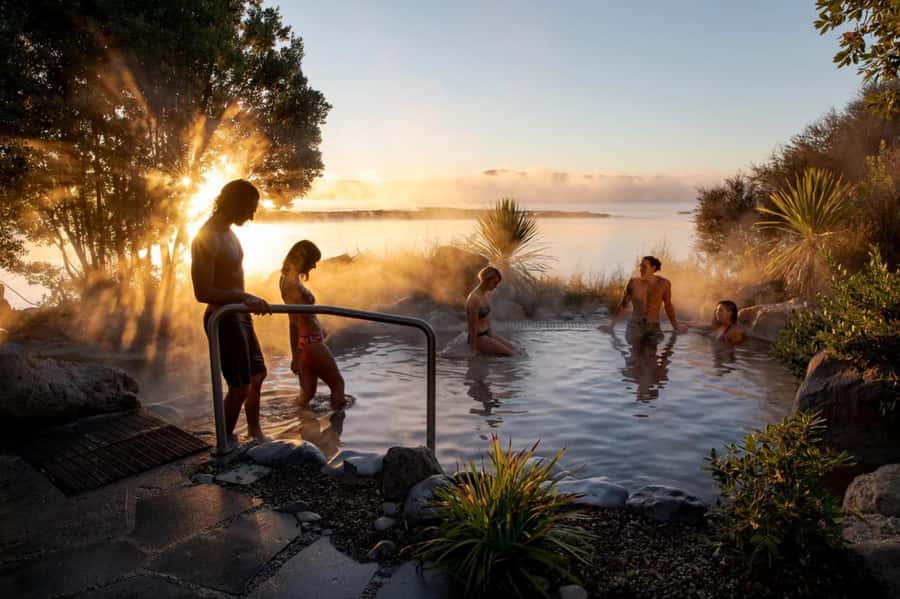
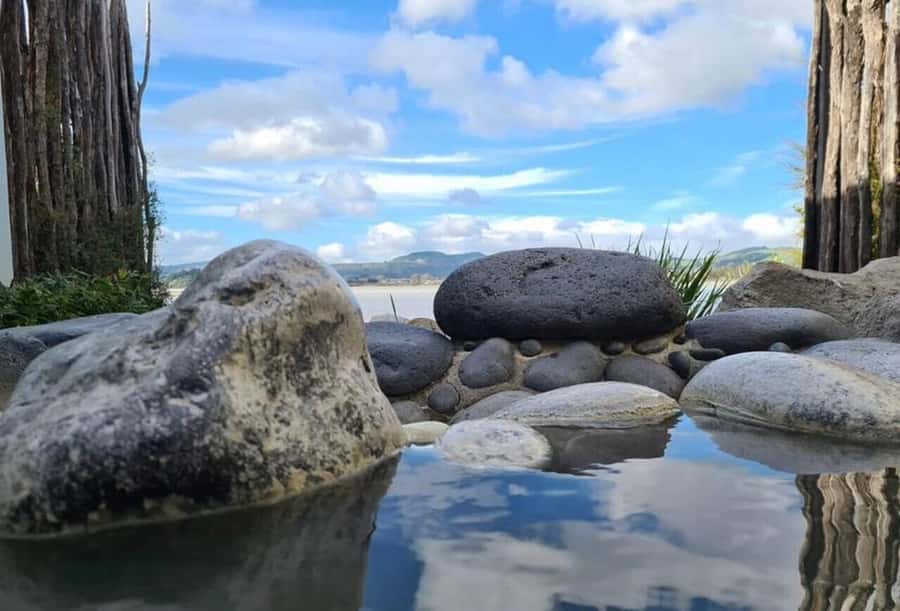
This is the part most people describe as relaxing. The pools use geothermal mineral water, and the tour notes that you’ll find different mineral pools—some with alkaline water and some with acidic springs. Whether you’re chasing comfort or a “reset” after a long drive, the key is you’re not rushing: the spa time is meant to be slow.
A few planning tips:
- Bring swimwear and flip-flops (both are required on the packing list).
- Pack a reusable water bottle for the day overall, then at the spa follow whatever rules the venue uses.
- Adult swimwear can be hired or purchased at the Spa Essentials Shop if you forget yours.
Also, the spa is set in a natural setting with views of Lake Rotorua and surrounding forests. That’s part of the point: you’re not just soaking in hot water; you’re soaking while your day finally cools down around you.
Health note you should take seriously: the tour isn’t suitable for people with heart problems, and if you’re pregnant or have serious medical conditions (or a sulphur allergy), you’re advised to check with your medical practitioner.
Price and Value at $236: What You’re Really Paying For
At $236 per person, this isn’t a cheap add-on. But it can still be good value if you compare it to doing it solo.
Here’s what your money covers:
- Round-trip bus transportation from Auckland with hotel pickup/drop-off
- Entry to Whakarewarewa Village
- The guided cultural program there, including the performance portion
- Entry to Polynesian Spa
- A live English tour guide
- Skip-the-line ticketing at the activities
- A small group size (up to 11)
What’s not included: food and drinks. That’s a real line item, especially in New Zealand where tourist meals can add up fast. Plan to spend extra on snacks, a meal at the village café (there’s even mention of traditional hangi in some experiences), and whatever you want at the spa.
So, is it worth it? I’d say yes if you want:
- A guided cultural experience that doesn’t require planning
- Geothermal highlights without sorting entry tickets and timing
- A comfortable end to the day with a real spa soak
If you’d rather drive yourself, have your own pace, and skip guided performances, you might find better value elsewhere. But if you like structured days with someone else handling timing, this price starts to look fair.
Who This Tour Fits Best (and Who Should Skip It)
This day trip is best for people who want a balanced Rotorua sampler—culture plus geothermal, then relaxation. It’s also a smart choice if you’re based in Auckland and don’t want the hassle of organizing transport and tickets across multiple stops.
You’ll likely enjoy it if you:
- Care about Māori culture and want a guided, context-first visit at an active village
- Like photos and walking around geothermal features (mud pools, vents, silica textures)
- Want a proper decompression stop at the end of the day
You should reconsider if you:
- Use a wheelchair (the tour is not suitable for wheelchair access)
- Have heart problems
- Are managing a pregnancy and haven’t checked with a medical professional
- Have a sulphur allergy and haven’t confirmed safety with your clinician
One more small rule: unaccompanied minors aren’t allowed, and children must be accompanied by an adult.
Guides and What They Can Change About Your Experience
What makes this tour feel smooth isn’t just the places—it’s the people running the day. In the feedback, certain guides come up again and again for two reasons: solid local context and good pacing.
Names you may run into include:
- Brendan (praised for being informative and fun)
- Matt (noted for local knowledge and managing timing, including rest stops and handling traffic)
- Michael (recognized for clear village explanations)
- Jason, JJ, John, and Huzefa (often praised for being attentive, humorous, and knowledgeable)
- Ali and other guides credited for an itinerary that matches expectations
Even if the guide you get isn’t one of these names, the pattern is the same: a strong guide helps you focus on the cultural meaning and not just the physical sights.
Should You Book This Tour?
Book it if you want the cleanest one-day path from Auckland to Rotorua with Whakarewarewa Village + Haka + Polynesian Spa in a single, guided package. The small group size, included entries, and the fact that the cultural program comes with a real context-first approach make it one of the more efficient ways to see Rotorua without scrambling.
Skip or pick a different option if you know you won’t handle a long drive day, you need wheelchair access, or you have health concerns around hot pools and sulphur exposure.
If your priority is one unforgettable Rotorua day that ends with relaxation, this is the kind of plan you’ll feel good about booking.
FAQ
How long is the tour?
The total duration is listed as 12 hours, with 3 hours at Whakarewarewa Village and about 2 hours at Polynesian Spa.
What’s included in the price?
Included are the Whakarewarewa Village ticket, cultural performances, Polynesian Spa entry, round-trip bus transport, hotel pickup and drop-off, and a live English guide.
Do I need to pay for food and drinks?
Food and drinks are not included. You’ll have time for meals during the day, but you should plan to purchase what you want.
Will I see the Haka performance?
Yes. The tour includes the cultural performance program and features the world-famous Haka.
What should I bring for the spa?
Bring swimwear, flip-flops, and a reusable water bottle.
Is swimwear available if I forget mine?
The tour information says adult swimwear can be hired or purchased at the Spa Essentials Shop.
What about mobility needs or health conditions?
This tour is not suitable for wheelchair access, and it is not suitable for people with heart problems. If you’re pregnant or have serious medical conditions or a sulphur allergy, consult your medical practitioner first.
Are children allowed?
Children must be accompanied by an adult, and unaccompanied minors aren’t allowed.