REVIEW · AUCKLAND
Northern Explorer Train Journey from Auckland to Wellington
Book on Viator →Operated by Great Journeys New Zealand · Bookable on Viator
A long train day can feel like a movie. The Northern Explorer turns the Auckland-to-Wellington slog into a full-on scenic experience, with award-winning carriages, open-air viewing decks, and GPS-triggered audio commentary.
I really like the way the ride mixes big-name New Zealand scenery with practical comfort: you get a great view setup plus commentary that helps you understand what you’re seeing. That alone makes the day feel less like “transport” and more like a guided journey.
My other favorite part is the onboard rhythm—comfortable, specially designed seats and a licensed café carriage for snacks and light meals. Staff can be genuinely helpful too; I’ve seen mentions of team members like Tia and a concierge named Harry.
One thing to plan for: it’s still a long day, and depending on the day’s operations you may not have a perfectly seamless start. Also, if you don’t handle heat well, be thoughtful about where you stand on the open-air sides.
In This Review
- Key things you’ll notice on the Northern Explorer
- From Auckland Strand to Wellington Station: what the day really feels like
- Award-winning carriages and the open-air viewing deck
- GPS-triggered audio: how to listen without missing the view
- Waikato farmlands and North Island variety before the big scenery hits
- Tongariro National Park by rail: volcanoes, snow, lava, and forests
- The Raurimu Spiral: when railway engineering becomes the attraction
- Cafe carriage time: meals, snacks, and what to bring
- Seats, direction, and comfort tips for an 11-hour ride
- Timing: why your arrival might not match the headliner estimate
- Price and value: is $164.45 worth it?
- Should you book the Northern Explorer from Auckland to Wellington?
- FAQ
- How long is the Northern Explorer journey from Auckland to Wellington?
- What time does the train depart from Auckland?
- Where do I meet for the Auckland departure?
- Where does the trip end in Wellington?
- Is GPS audio included during the trip?
- Is food included in the ticket price?
- Is the viewing deck part of the experience?
- Can children ride this train?
- Is the booking refundable if I cancel?
Key things you’ll notice on the Northern Explorer
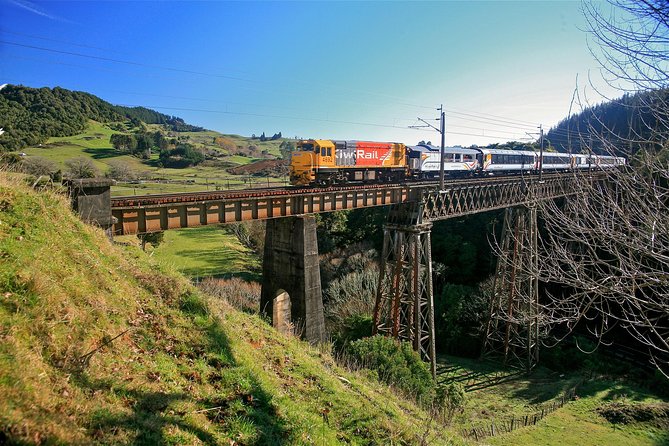
- Open-air viewing decks for quick breaks from window viewing (and real fresh air).
- GPS-triggered audio at your seat so you don’t miss the story while you’re watching.
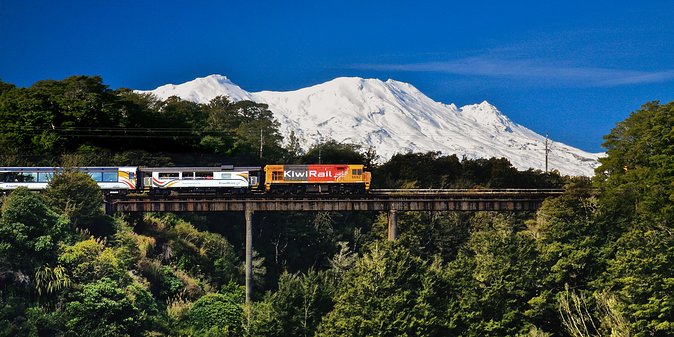
- Tongariro National Park passes with the three volcanic peaks: Tongariro, Ngauruhoe, and Ruapehu.
- The Raurimu Spiral—where the train tracks loop in a railway engineering move that’s easy to admire.
- Licensed café carriage for snacks, light meals, and coffee (alcohol available for purchase).
- A small group size (max 15 travelers) that usually keeps the vibe calm and easy.
From Auckland Strand to Wellington Station: what the day really feels like
This is a long, one-way rail trip—about 11 hours—from Auckland to Wellington. The start is at Auckland Strand (Parnell), and the end is Wellington Station on Bunny Street (Pipitea). You depart at 7:45 am, so you’ll feel like you’re committing to the day early.
The big mental shift is this: you don’t “do sights” in quick bursts. You watch them unfold at train speed, with the middle of the journey bringing the dramatic Central Plateau scenery. That works if you like a steady pace. It can feel like too much if you’re the type who gets antsy after a few hours.
Also, keep your expectations flexible. Some passengers reported that the journey wasn’t entirely straightforward from the Auckland end on certain days—like needing a bus connection to link up with the train service. That doesn’t mean it happens every time, but it’s worth being prepared for a setup that could be a little different than a simple “walk on, ride out” day.
You can also read our reviews of more tours and experiences in Auckland.

Award-winning carriages and the open-air viewing deck
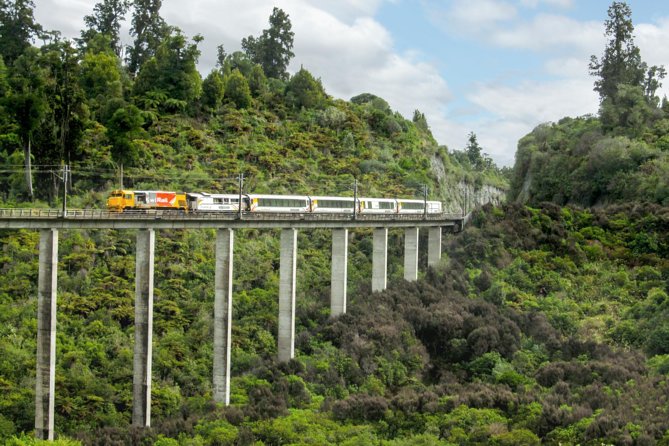
The Northern Explorer’s carriages are known for comfort and design. The seats are specially made for long-distance riding, and many people like having room to stretch out a bit. Windows are big and clear, which matters because you’ll be staring out for long stretches.
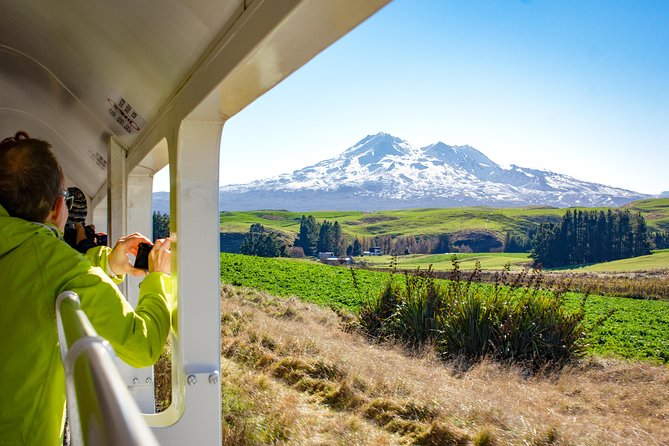
Then there’s the viewing deck. If you only choose one “extra” to use, make it this. The open-air side is where you get the feeling of motion—fresh air, wider angles, and that sense of being part of the landscape as it rolls by. People specifically call out the open wagon behind the engine as a must-visit.
Two practical cautions from real-world experience:
- If you go up onto the open-air areas, conditions can turn hot quickly in some spots. Dress in layers so you can adjust fast.
- Don’t expect to stand there the whole time. Plan quick swaps: seat for a while, deck for a while, repeat. It keeps your body happy.
If you’re traveling with someone who wants privacy or quieter conversation, the seat area is still where most of the time will happen. The open-air deck is best as a break—not your whole day.
GPS-triggered audio: how to listen without missing the view
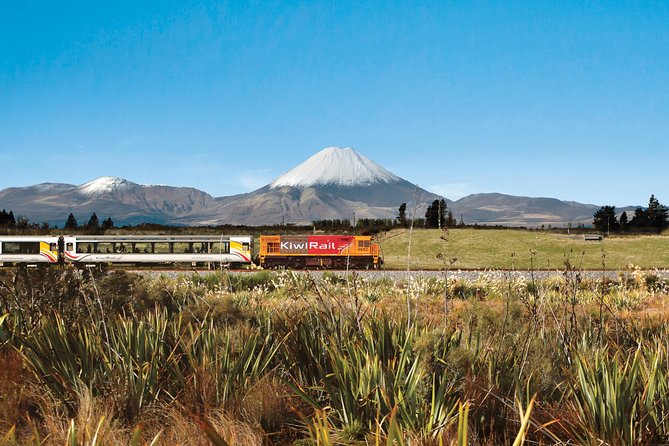
A standout feature here is the GPS-triggered audio commentary. It’s available through headphones at every seat, and it kicks in as you pass key points.
This is surprisingly useful on a ride like this because a train moves through different environments fast. Without audio, you might enjoy the views and still miss why a place matters. With it, you get context while you’re looking: what you’re seeing, when it changes, and what makes the area distinctive.
Here’s the trick to make it work for you:
- Put the audio on during the transitions—like when the scenery starts to get more rugged or geologically dramatic.
- Take headphones off when you want a full visual moment. The point isn’t to listen to a podcast all day. It’s to time your attention.
If you’re the type who hates background audio, you can still enjoy the ride with the windows and deck. But the GPS narration is a big reason this train feels like more than just transportation.
Waikato farmlands and North Island variety before the big scenery hits
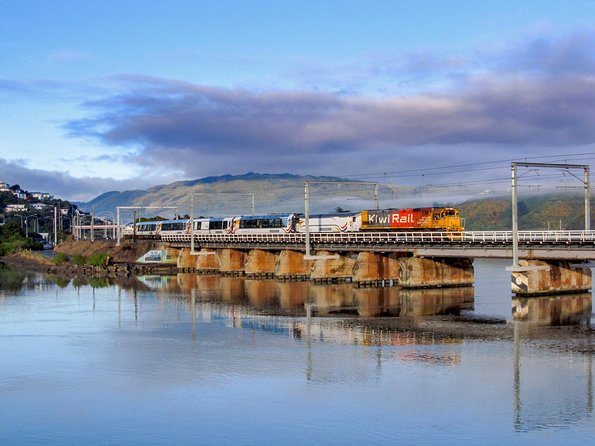
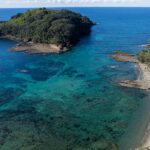
Before the dramatic volcanic scenery, you get the “everyday New Zealand” feel—rolling green farmland, country towns, and stretches along rocky coasts (depending on the conditions of the day). This portion is often where the trip settles into a calm groove.
Why this matters for value: it gives your brain time to ease in. The first hours help you understand the rhythm of the route. Then, when Tongariro and the Raurimu Spiral show up, you’re ready for the change in scale.
It’s also a good section for people who like quiet. You can sit back with a snack or coffee, check your photos, and let the commentary guide you through names and features as they come by. The ride has plenty of “sit-and-watch” moments, not just peak highlights.
Tongariro National Park by rail: volcanoes, snow, lava, and forests
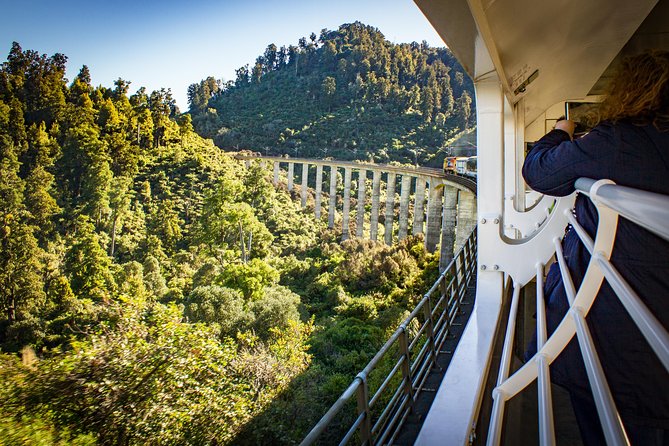
This is the headline segment. As you pass through Tongariro National Park, you’ll see the three major volcanic mountains: Tongariro, Ngauruhoe, and Ruapehu.
The key thing is contrast. The park is described in terms of extremes—snow-blanketed fields, ancient lava flows, and dense beech forests. From a train, you get a moving “before and after” effect: one stretch can feel high and wintry, and another can look darker and older, with forest and volcanic rock sharing the same horizon.
What you should know as you plan:
- Weather plays a role. If it’s clear, you’ll get sharper views of the peaks. If it’s less clear, you may still enjoy the textures, but the dramatic shapes can soften.
- This part of the trip can be the most memorable for photographers. If you want your best angles, use the deck at safe intervals and aim for windows when you want steadier framing.
Even if you’re not a geology person, this segment works because the visual contrast does most of the explaining. The audio helps you name what you’re looking at, and the view does the rest.
The Raurimu Spiral: when railway engineering becomes the attraction

After Tongariro, you’ll hit another major moment of the journey: the Raurimu Spiral near National Park. This is one of those railway engineering feats that’s easier to appreciate when you’re watching it happen rather than reading about it.
From onboard, the spiral gives you a sense of how the tracks manage elevation changes without losing control of the journey. You’ll feel the train working through terrain, turning geography into motion.
In practical terms, this is a great segment to do two things:
- Get up, move around, and watch what’s happening outside from more than one angle (seat window first, then deck).
- Pay attention to the commentary if you can, because this is exactly the type of place where the “why” makes the visual more satisfying.
This is also a moment when the trip stops feeling like a straight line. It feels like you’re watching how the route was solved—then riding it.
Cafe carriage time: meals, snacks, and what to bring
You’ll have onboard access to a licensed café carriage. It’s the place for snacks and light meals, and people often say the food is better than expected for a long train.
Still, here’s the budget reality: the tour price includes the rail journey and GPS audio, but food and drinks aren’t included unless you buy them onboard. Alcohol is available for purchase too, but it’s not part of the base price.
So what’s the smart approach?
- If you want a full meal at your pace, plan to buy something from the café carriage.
- If you’re picky or want to save money, bring your own snacks. Several people mention taking picnic-style food as a practical move for a long day.
Also, pace yourself. It’s a long ride, and it’s easy to eat “because you’re bored” or miss timing because you’re watching the scenery. Keep snacks simple: something you can eat while you’re waiting for the next highlight.
One small operational heads-up: some passengers noted the café service can feel understaffed, so be patient if it gets busy around meal times. The ride has a calm vibe, but the food line can still be peak-hour busy.
Seats, direction, and comfort tips for an 11-hour ride
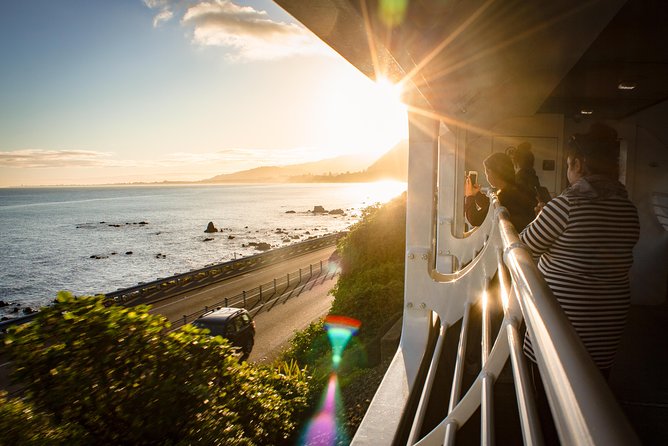
Seat comfort is a recurring theme. The train uses specially designed seating, and many people praise the ride comfort and leg room.
But there are a couple of gotchas you should plan around:
- Seat direction may not be what you want. Some passengers reported being placed facing backward and sharing a table with other travelers.
- Visibility can vary depending on your exact seat location. A few mentions point to poorer visibility for a portion of the journey.
My advice: if you’re sensitive to motion sickness, consider bringing whatever helps you most and avoid last-minute panic if you end up with a less-than-ideal seat. If your stomach is generally fine, you’ll probably be okay—this is a smooth scenic ride for most people.
Comfort basics that fit the day:
- Bring a layer. Air systems can feel changeable, and people recommend a jacket or sweater.
- If you get warm easily, pick your open-air deck moments carefully and don’t stay in the hottest spots too long.
Also, if you’re hoping for reliable WiFi, don’t count on it. One review mentioned that WiFi didn’t work as promised. If connectivity matters, plan to use your own phone setup (offline photos, downloaded audio, offline maps) just in case.
Timing: why your arrival might not match the headliner estimate
The listed duration is about 11 hours, but that doesn’t guarantee an exact arrival time. One passenger noted a later arrival than expected (on the order of about an hour). Another mentioned the trip was long enough that it felt too drawn out.
So treat the day like this:
- Expect an early departure and an evening arrival.
- Assume delays can happen, and weather can affect specific segments.
- If you’ve booked dinner or onward travel right after arrival, give yourself slack.
This is also where the “long day” mindset matters. The train is comfortable, but your body still needs movement. Use the deck, stretch in the aisle areas when you can, and break up the monotony by switching where you sit.
Price and value: is $164.45 worth it?
At $164.45 per person, you’re paying for three things at once:
- The convenience of not driving the long distance yourself.
- A guided-feeling journey via GPS audio and named scenery.
- A comfortable, purpose-built long-distance train setup.
Compared with flying, you trade speed for variety. Compared with driving, you trade control for a relaxing schedule where someone else handles the route. For many people, that relaxation is the real value—especially on a route where the scenery has both wide plains and big geology moments.
Where value can shift for you:
- If you love food and don’t mind paying for café carriage meals, the experience can feel complete without effort.
- If you want to minimize spending onboard, bring snacks so you’re not stuck paying for every hunger moment.
- If you’re sensitive to long rides or seat direction, you might feel the price doesn’t “buy back” comfort.
Also note: the trip is non-refundable and can’t be changed for any reason, so only book if your schedule is firm.
Should you book the Northern Explorer from Auckland to Wellington?
If you like scenic rail days, Tongariro-area volcano views, and you want someone else to handle the route, I think this is a smart pick. The open-air deck option plus GPS commentary makes it feel like more than a ride. For comfort, it generally performs well, and the café carriage gives you an easy way to eat without planning breaks around traffic.
Skip it (or at least rethink your expectations) if you’re counting on a perfectly seamless start-to-finish experience every single day, or if you know an 11-hour journey will wear you down. This is a long day. It can feel worth it, but only if you plan your comfort, snacks, and timing.
If you go in ready for a full day on board, you’ll come away with a route you can talk about—especially that Tongariro volcanic contrast and the Raurimu Spiral engineering moment.
FAQ
How long is the Northern Explorer journey from Auckland to Wellington?
The ride is approximately 11 hours (one way).
What time does the train depart from Auckland?
The start time is 7:45 am.
Where do I meet for the Auckland departure?
You meet at Auckland Strand, Parnell, Auckland 1010, New Zealand.
Where does the trip end in Wellington?
It ends at Wellington Station, Bunny Street, Pipitea, Wellington 6011, New Zealand.
Is GPS audio included during the trip?
Yes. GPS-triggered audio commentary is included, and it’s available through headphones at every seat.
Is food included in the ticket price?
No. Food and drinks aren’t included in the price, but the train has a licensed café carriage where you can purchase snacks and light meals. Alcoholic drinks can also be purchased.
Is the viewing deck part of the experience?
Yes. The train includes open-air viewing decks so you can get outside to see the scenery.
Can children ride this train?
Children must be accompanied by an adult.
Is the booking refundable if I cancel?
No. This experience is non-refundable and cannot be changed for any reason.