REVIEW · AUCKLAND
Nocturnal Wonders Tawharanui Kiwi Spotting and Stargazing Tour
Book on Viator →Operated by Social Nature Movement · Bookable on Viator
Kiwi and stars in one evening sounds like magic, but it’s really smart planning in the dark. I like that this is a small-group tour (max 10) with time for questions, and I also like the hands-on mix of kiwi searching and stargazing gear. The one thing to consider is that you’re heading out for a night-focused walk, so you’ll want weather to cooperate and be ready for a slower, more listening-based style of wildlife spotting.
You meet at Tawharanui Regional Park on Tāwharanui Peninsula in Auckland, then the evening unfolds with twilight kiwi discovery followed by a stargazing stop away from city glare. The whole experience is about 3 hours, and the price is $93.09 per person, which makes sense once you factor in the guide’s work and the specialized equipment.
In This Review
- Key things to know before you go
- Twilight Kiwi Trails and Stargars: What to Expect in 3 Hours
- Tawharanui Peninsula After Dark: Why This Timing Works
- Kiwi Discovery Adventure: How You Search for Clues in the Dark
- What you’ll likely feel during the walk
- Stargazing Setup at a Secluded Site: Telescopes, Binoculars, and Stories
- The “what if it’s cloudy” reality
- Optional Glamping: Extending the Night in Comfort
- Price and Value: Is $93.09 Worth It?
- Who This Tour Suits Best (and Who Might Want Something Different)
- Practical Tips to Make the Most of the Night
- Should You Book Nocturnal Wonders Tawharanui Kiwi Spotting and Stargazing?
- FAQ
- How long is the Nocturnal Wonders Tawharanui Kiwi Spotting and Stargazing Tour?
- Where does the tour start?
- What’s the group size?
- What’s included in the tour price?
- Is admission included?
- Do I need campsite bookings for the glamping option?
- What happens if the weather is bad?
- How does cancellation work?
- When will I receive confirmation after booking?
- Is the tour suitable for most people?
Key things to know before you go
Small-group format (up to 10): more guide attention and easier chatting in the bush.
Twilight kiwi discovery first: you’re actively looking for kiwi traces as light fades, not just taking a quick peek.
Telescopes and binoculars provided: stargazing is set up for real viewing, not just casual looking.
Indigenous astronomy stories included: the night sky comes with cultural context, not only star names.
Optional glamping extension: you can keep the night going, though campsite bookings and fees are not included.
Twilight Kiwi Trails and Stargars: What to Expect in 3 Hours
This is a 3-hour, small-group nocturnal outing built for two things: finding wildlife that prefers the dark, and learning the sky when it’s at its best. If you’re the type who likes nature a little more quiet, a little more investigative, and a lot more hands-on, this fits your vibe.
Tawharanui Regional Park is the key setting. It’s known for wildlife and dramatic scenery, but many tours rush through it in daylight. This one flips the script and uses twilight and night conditions to help you experience the park the way most people never get to see it.
The group stays small (maximum 10), which matters once you’re in the bush. You get space to ask questions, and you’re less likely to feel like you’re stuck behind a crowd when the guide calls out what to watch for.
You can also read our reviews of more tours and experiences in Auckland.

Tawharanui Peninsula After Dark: Why This Timing Works
Kiwi spotting doesn’t work like a zoo visit. You’re not guaranteed to see a bird on cue, and you usually won’t get that big, obvious moment right away. Instead, the tour is designed around behavior and evidence—listening, scanning, and learning what activity looks like as the forest cools down.
Twilight is the transition zone where you can start picking up signs and move into the deeper dark with a plan. I like that the tour begins with the kiwi portion as the evening settles, because it gives you time to focus before the stargazing portion steals everyone’s attention.
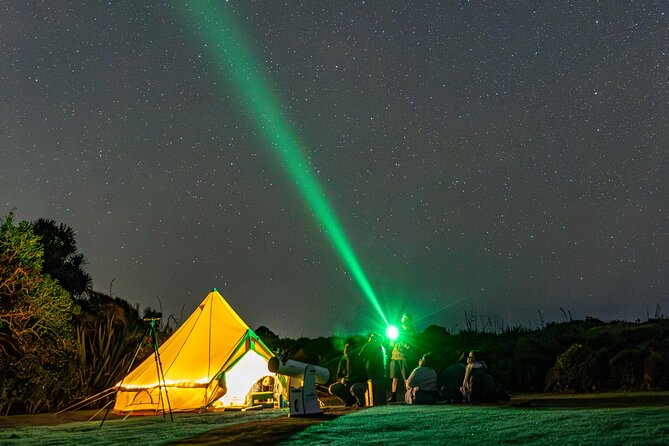
The park’s nighttime setting also helps with stargazing. City light kills detail, so the guide takes you to a secluded stargazing site within the park that’s far from the glare of Auckland. That choice is one of the biggest practical reasons this tour feels worth it.
Kiwi Discovery Adventure: How You Search for Clues in the Dark
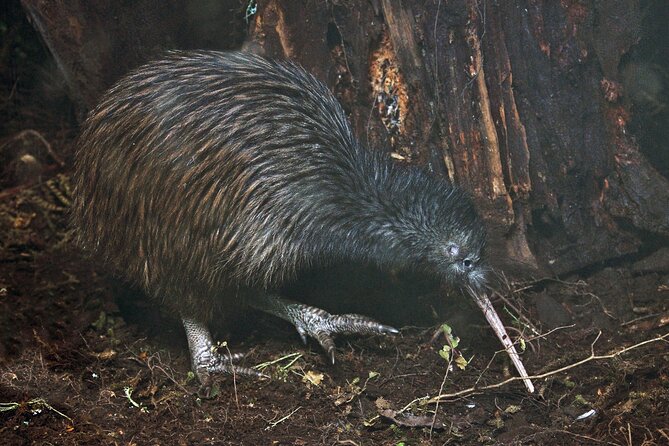
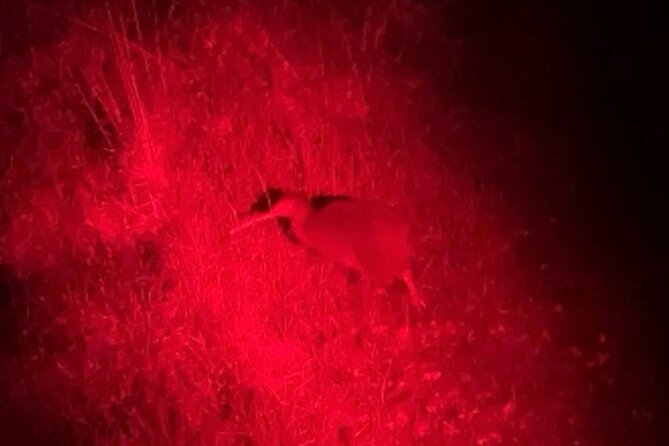
The kiwi discovery adventure is the first half of the tour, and it’s where the guide’s experience really matters. As twilight descends, you follow your guide through native bush and stay vigilant for traces of North Island brown kiwi activity.
Rather than treating kiwi as a simple yes-or-no sighting, the approach is about reading the environment. You walk, you pause, and you look for hints that tell you kiwi might be close or that activity happened earlier. That’s a big difference from tours where everyone crowds to catch one quick glimpse.
You also get insights about kiwi during the journey. That part matters because knowing what you’re looking for changes how the forest feels. Suddenly, you’re not just hoping for a sighting—you’re participating in a real search.
The group stays manageable, so you can still hear the guide’s instructions and ask questions when something seems confusing. One guide named Justin has been praised for both his knowledge and success with close kiwi encounters, including times when multiple kiwis were seen. Even if you don’t match that level of luck, the method and guidance are what you’re paying for.
What you’ll likely feel during the walk
Night wildlife walks have a different rhythm. You’ll probably spend more time pausing than moving, and you may find yourself listening more than staring. If you’re expecting constant action, the best mindset is patience and attention.
Stargazing Setup at a Secluded Site: Telescopes, Binoculars, and Stories
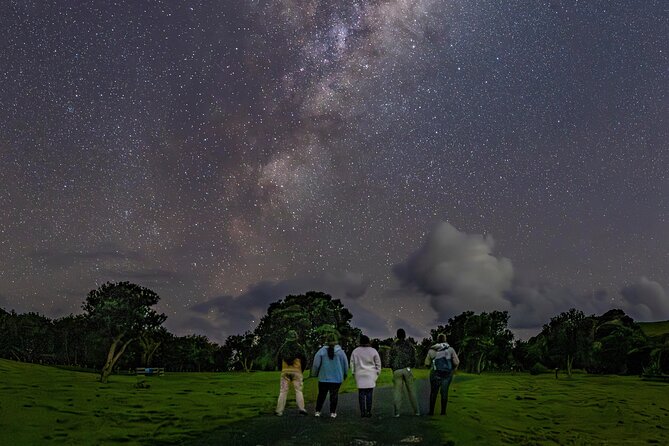
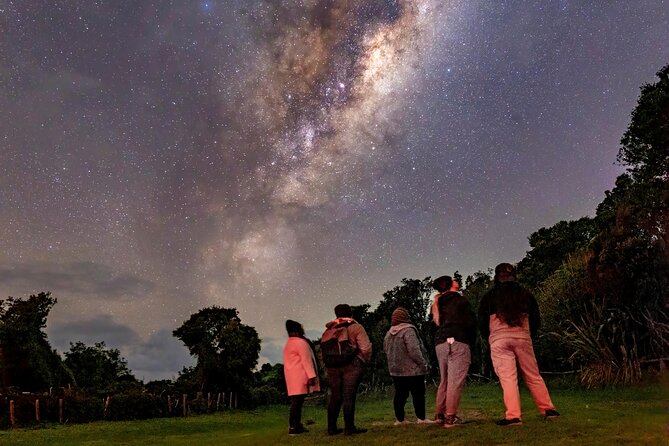
After the kiwi walk, the tour shifts gears to the sky. You head to a secluded stargazing site inside the park, set away from city lights, where the night sky becomes the main event.
Here’s the practical win: the guide provides telescopes and binoculars. That means you can move from seeing a general scatter of stars to actually identifying details. It’s one thing to look up; it’s another to be able to zoom in and understand what you’re seeing.
The stargazing also includes stories about indigenous astronomy. That gives the sky more meaning than a list of constellation names. You learn how different cultures connect patterns in the sky with knowledge and navigation, which makes the viewing feel deeper without turning it into a lecture marathon.
Your guide helps you make sense of the spectacle above—covering stars, planets, and constellations—so you can leave the experience looking at the sky differently the next time you’re somewhere dark.



The “what if it’s cloudy” reality
The tour requires good weather. Clear skies make stargazing worthwhile, and the guide’s setup depends on conditions. If weather isn’t good, you’ll be offered a different date or a full refund, so it’s not a gamble you carry alone.
Optional Glamping: Extending the Night in Comfort
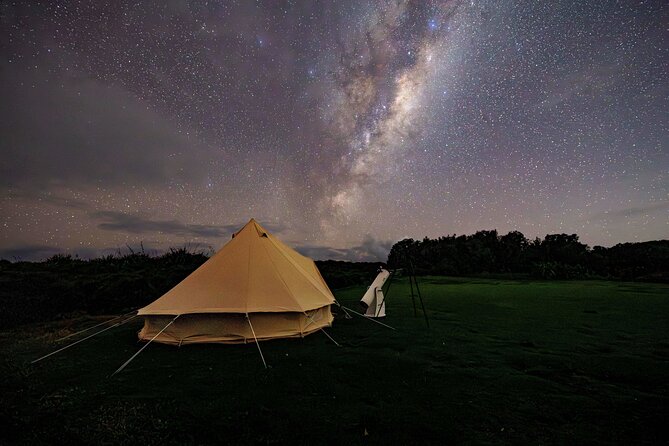
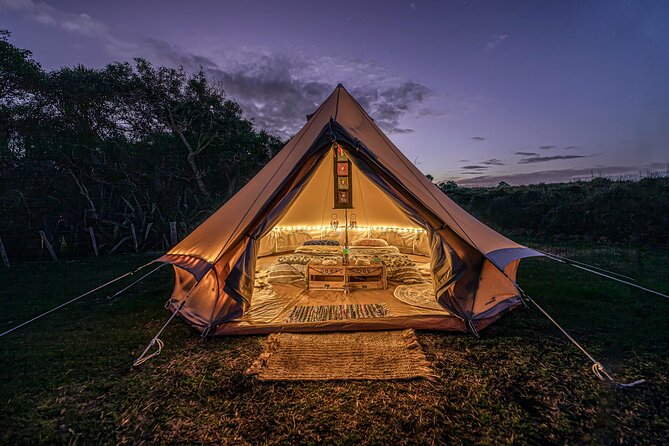
If you want this to be more than a 3-hour tour, there’s an option to camp out in glamping tents. This is about staying in the area longer, letting the park remain the center of your evening instead of rushing out after the walk.
The key detail: campsite bookings and fees are not included. So if glamping interests you, treat it as an add-on plan you arrange separately, not something folded into the base tour price.
Still, the idea is compelling. Kiwi and stars are both “time” experiences. Longer time in the dark can mean more chances to see what the night brings, and it turns Tawharanui into a slower, more immersive evening rather than a drive-in, look-around, drive-out outing.
Price and Value: Is $93.09 Worth It?
At $93.09 per person for about 3 hours, this tour isn’t cheap in a casual sense. But it is priced like a specialized night experience, and you can see the cost breakdown in what’s included.
You’re paying for:
- a knowledgeable guide to lead the kiwi search and explain what you’re seeing
- specialized equipment for stargazing (telescopes and binoculars)
- the timing and routing that connects kiwi discovery with a dark-sky viewing spot
Also, admission ticket is noted as free, so the price is largely for the guided experience and the gear. For me, that’s where the value lives: the guide helps you do the right things in the right order, and the equipment makes the stargazing portion genuinely usable.
The small group size also adds value. With a maximum of 10, you’re more likely to get real guidance instead of spending the night watching the back of someone else’s head.
Who This Tour Suits Best (and Who Might Want Something Different)
This tour is a great fit if you love wildlife but don’t need guaranteed big sightings. It’s also a good match if you enjoy learning from your guide and want more than surface-level “look up there” stargazing.
You’ll probably like it most if:
- you’re comfortable walking at night or during twilight
- you enjoy quiet moments and listening as part of the experience
- you want a mix of nature and sky science, with cultural context
If you’re the type who gets impatient with pauses and searching, the kiwi portion may feel slower than you expect. And if you hate being outdoors after dark, this won’t magically become comfortable. It is a night tour by design.
Practical Tips to Make the Most of the Night
A few practical choices can make the difference between a “nice walk” and a satisfying night adventure.
Wear layers. Even if the evening starts mild, the temperature can shift quickly after twilight. Bring something warm enough that you’re not spending the stargazing part thinking about your cold hands.
Keep your expectations realistic. Kiwi spotting is about signs and chances. When the guide teaches you what to look for, you’ll feel more in control—even on nights when the forest stays quiet.
Arrive ready to pay attention. This tour works best when you follow instructions, pause when the guide stops, and keep your eyes and ears open during the search.
And if glamping is calling you, think ahead. Since campsite bookings and fees aren’t included, plan that part early so you don’t scramble later.
Should You Book Nocturnal Wonders Tawharanui Kiwi Spotting and Stargazing?
I’d book this if you want an Auckland-area night experience that feels purposeful, not random. The combo of kiwi discovery during twilight and serious stargazing with telescopes and binoculars is a strong pairing, especially with a small group and time for questions.
I’d hesitate only if you know you hate night walks, or if you’re going in expecting guaranteed kiwi sightings. The experience is built around wildlife signs and night-sky viewing that depends on weather. If you’re flexible and curious, that trade-off works in your favor.
FAQ
How long is the Nocturnal Wonders Tawharanui Kiwi Spotting and Stargazing Tour?
It runs for about 3 hours.
Where does the tour start?
The tour starts at Tawharanui Regional Park, 1181 Takatu Road, Tāwharanui Peninsula 0986, New Zealand.
What’s the group size?
The tour has a maximum of 10 travelers.
What’s included in the tour price?
You get a knowledgeable guide and specialized equipment.
Is admission included?
The tour notes admission ticket as free.
Do I need campsite bookings for the glamping option?
Campsite bookings and fees are not included.
What happens if the weather is bad?
This experience requires good weather. If it’s canceled due to poor weather, you’ll be offered a different date or a full refund.
How does cancellation work?
Free cancellation is available up to 24 hours in advance for a full refund.
When will I receive confirmation after booking?
Confirmation will be received at the time of booking.
Is the tour suitable for most people?
Most travelers can participate.