REVIEW · AUCKLAND
Rotorua Highlights inc. Waiotapu & Te Puia Day Tour from Auckland
Book on Viator →Operated by Cheeky Kiwi Travel · Bookable on Viator
Geothermal weirdness happens on a clock. This all-day trip from Auckland strings together Wai-O-Tapu and Te Puia with real guidance, not just a drop-off and hope-you-know-where-to-go energy. You’ll learn how New Zealand’s geothermal activity powers the sights, while a driver-guide adds live commentary as you travel through the North Island.
I especially liked that you get a true guided experience where it counts: a focused Wai-O-Tapu visit (with entrance included) plus a guided Te Puia stop that covers Māori culture and artisanship. One possible drawback is timing: it’s a long day, and if you’re the type who wants to linger, the pace can feel tight—especially around Rotorua’s short city sights.
In This Review
- Key Takeaways Before You Go
- The Value Play: What You’re Really Paying For
- Morning Pickup and the Auckland-to-Rotorua Road Trip
- Stop 1: Wai-O-Tapu Thermal Wonderland (Expect Surreal, Not Subtle)
- Stop 2: Te Puia Guided Māori Culture Tour
- Rotorua City Sights: A Short, Guided Driving Tour
- The Return Trip to Auckland With “Secret Stops”
- Group Size, Guides, and the Big Difference Between Okay and Great
- What to Bring (So You Enjoy the Pace Instead of Fighting It)
- Who This Tour Fits Best (And Who Might Feel Unsatisfied)
- Should You Book This Rotorua Highlights Tour?
- FAQ
- FAQ
- How long is the Rotorua Highlights day tour?
- What does the tour include for tickets and activities?
- Is lunch included?
- Is the Māori cultural show at Te Puia included?
- What time does the tour start?
- Do I need to be able to walk?
- Is the tour refundable if I need to cancel?
Key Takeaways Before You Go
- Small-group cap (max 15) helps keep the day manageable and questions from getting lost.
- Wai-O-Tapu and Te Puia are guided/included, so you’re paying for less uncertainty.
- Early 6:30am start means you’ll trade sleep for a full day in geothermal country.
- Lunch is on your own, so plan food around the schedule.
- Rotorua is mostly a driving tour, not a long walking day in the city.
- All-weather operating means you’ll still go—just with the right shoes and layers.
The Value Play: What You’re Really Paying For
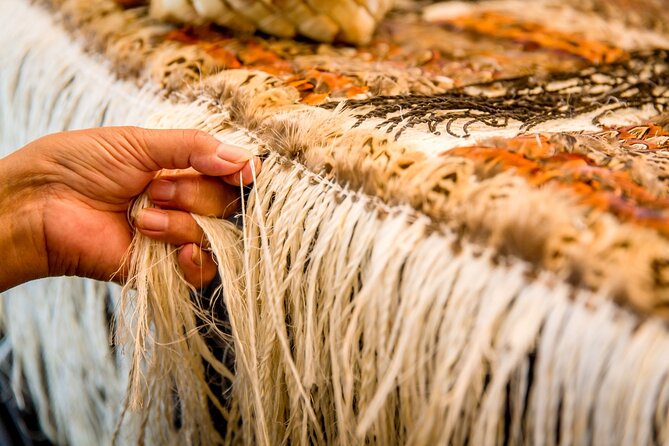
At $247.61 per person for a roughly 12-hour day, this tour is priced like a convenience package. You’re not only covering transport from Auckland—you’re also getting paid-for access to Waiotapu and a guided Te Puia experience, plus water and snacks during the day.
In plain terms: the value is strongest if you’d rather spend your time staring at geothermal wonders than figuring out logistics, entry timing, and how to stitch two distant stops together. You also get live commentary from the driver-guide, which matters because Rotorua and geothermal areas make more sense when someone connects what you see to what’s happening underground.
If you’re the independent type who already knows you want to self-drive, the cost can feel harder to justify. In that case, you’ll want to compare what you’d pay for entrances and a car plus parking, then decide if guided storytelling is worth the premium.
You can also read our reviews of more tours and experiences in Auckland.

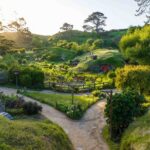

Morning Pickup and the Auckland-to-Rotorua Road Trip
This day starts early—at 6:30am. The tour is designed with hotel pickup from major hotels in mind (not every hotel is listed), and it also notes that the meeting area is near public transportation. You’ll typically want to be prompt; the schedule is tight, and the whole day is built around hitting Wai-O-Tapu while it’s still fresh in the day.
Once you’re out of Auckland, the drive is part scenic road trip, part orientation lesson. You’ll pass through the Waikato countryside, known for extensive farming, big rivers, and big photo chances. The tour also loops through Tirau, famous for corrugated-iron sculptures and buildings—exactly the kind of odd roadside stop that makes a long drive feel less like a commute and more like a journey.
Why this matters for you: if you arrive in Rotorua later in the day, you can lose prime viewing time at geothermal sites. Starting early is how this tour aims to protect the “wow” factor before fatigue kicks in.
Stop 1: Wai-O-Tapu Thermal Wonderland (Expect Surreal, Not Subtle)
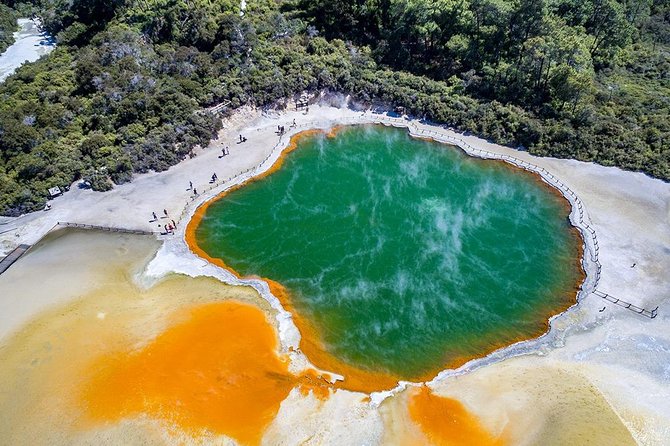
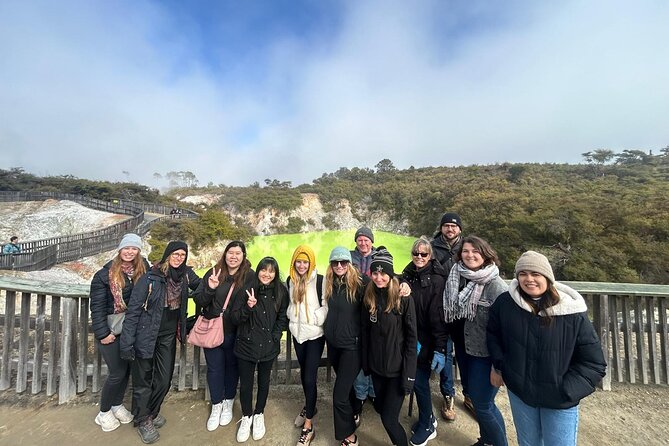
Wai-O-Tapu is the headline. You’ll get about 2 hours here, and the admission ticket is included. If you like places that look like the planet is doing something you can’t explain with ordinary weather, you’ll get it fast.
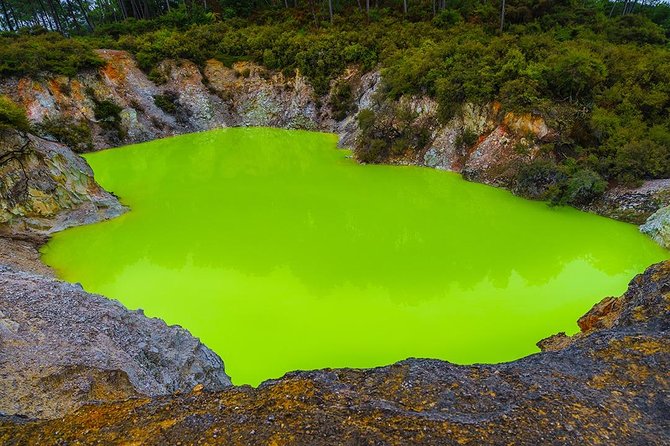
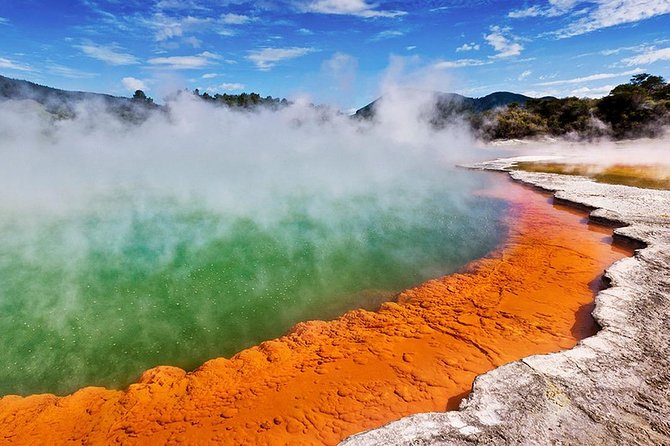
What you’ll see includes the famous Champagne Lake and Devil’s Bath, along with other geothermal features on-site. Even without extra narration, the area’s colors and steam tell a story. But the guided context is the difference between “cool sights” and “I get why this is happening.”
A couple practical notes that help you enjoy the time you have:
- Plan for walking. The tour says there’s a moderate amount of walking involved.
- Bring layers. The geothermal steam can make conditions feel changeable as you move between spots.
- Wear comfortable shoes that handle uneven ground.
One timing reality to keep in mind: some departures seem to feel rushed in the warm-pools portion, with limited time spent there. If your personal priority is slow wandering and extra stops, you might feel the squeeze even though Wai-O-Tapu itself is generally praised.
Stop 2: Te Puia Guided Māori Culture Tour
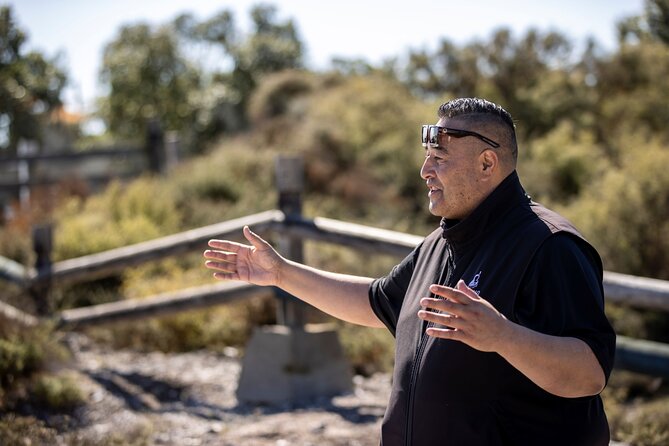
After Wai-O-Tapu, you’ll take a break for lunch (not included). Then you shift to Te Puia, where you’ll join a guided tour for about 90 minutes with admission included.
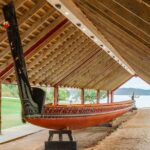
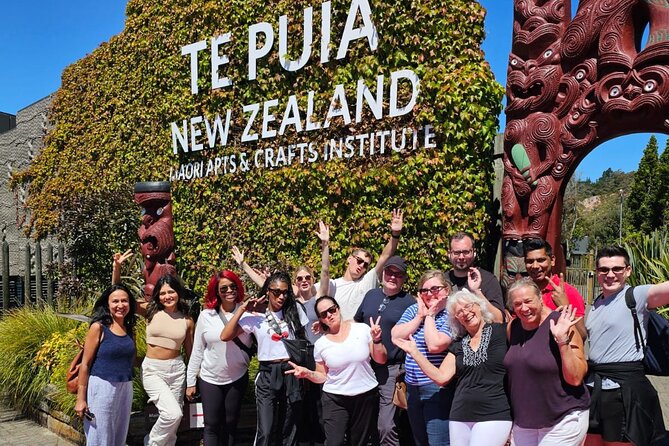
Te Puia is where this day becomes more than geology. The focus is Māori history and traditions, and you’ll watch skilled artisans work—carving techniques brought to life and cultural craft in action. Even if you’re not a “museum person,” this stop tends to land because it’s interactive in a human way. You’re not just looking at buildings; you’re seeing people practice crafts that have meaning.
This is also where the day can vary depending on time pressure. The tour notes that a Māori cultural show isn’t included due to time limitations, so you should treat Te Puia as your culture stop, not as an evening performance option.
If you care about seeing everything, check whether the cultural show is something you want to add and whether it fits your schedule. The day is designed to keep moving, so you may have to choose.
Rotorua City Sights: A Short, Guided Driving Tour

Rotorua itself is wrapped up with a guided driving tour with several named stops. It’s not a long walking tour through town—think short views and quick context.
Your city highlights include:
- Lake Rotorua
- Rotorua Museum
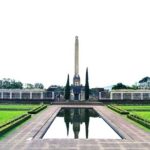
- Government Gardens
- Whangapipiro (Rachel Spring)
- Blue Baths
You’ll also get a finish that ties the day together with a bit of orientation as you roll through the city. It’s especially useful if you’re trying to figure out what you want to explore later on your own.
The main drawback is simple: at around 15 minutes for Rotorua city sightseeing, you won’t have time for deep detours. If you’re hoping Rotorua becomes your main focus, you’ll likely want a separate Rotorua plan for more walking, cafés, viewpoints, and any specific geothermal area you pick.





The Return Trip to Auckland With “Secret Stops”
Heading back north, the tour includes a fully guided return trip to Auckland with secret stops along the way. The exact details aren’t listed here, so you should treat this as part bonus, part mystery.
This is still a long day, so it helps to think of the return drive as recovery time with scenery. If you get motion-sick, you’ll want to choose your seat position wisely when the group boards.
One more thing to watch: this tour can be sensitive to geothermal operations. On some days, Wai-O-Tapu may be closed and the plan may shift to put more emphasis on Te Puia instead. If your travel dates matter because you’ve built your whole trip around the Champagne Pool experience, it’s worth double-checking confirmation details as you get closer.
Group Size, Guides, and the Big Difference Between Okay and Great
This is a small group tour with a maximum of 15 travelers. That’s a sweet spot. In a larger bus, a guided day can feel like you’re sitting in the back of class. Here, it’s more likely you’ll actually hear the commentary and have chances to ask practical questions.
Guide quality shows up in the reviews in a big way. People mention guides like Grant, Alessandro, and Michael as highlights—especially when the guide is proactive about making sure everyone can handle the activities they want. That’s not a small detail. When a day is full, a guide who keeps things running smoothly can be the difference between “we made it” and “this felt effortless.”
Also, pay attention to what the guide emphasizes. Some tours lean hard into one theme, like dairy farming stories on the way back. You’ll still get geothermal education, but if your interests are specific—geology, Māori culture, photography—use that curiosity as your cue to ask for added context.
What to Bring (So You Enjoy the Pace Instead of Fighting It)
Because this is a 12-hour day with moderate walking, your comfort matters. I’d pack like this:
- Comfortable walking shoes (geothermal paths can be uneven)
- A light rain layer or windbreaker (the tour operates in all weather)
- A warm layer for early mornings
- Any snacks you love (lunch is on your own, and water/snacks are provided but not a full meal)
- A camera and phone battery backup (steam and color are photo magnets)
If you’re the type who feels rushed easily, consider arriving early for the pickup window and keeping your gear ready before you board. When a day starts smoothly, you usually tolerate the schedule better.
Who This Tour Fits Best (And Who Might Feel Unsatisfied)
This tour fits best if you want:
- One guided day that covers two of the North Island’s top geothermal/cultural anchors
- Fewer planning headaches from Auckland
- A mix of education and sightseeing, not just photo stops
- Transport handled end to end, including hotel pickup (where available) and drop-off
It might feel less ideal if you:
- Want lots of free time in Rotorua itself (this is mostly driving through)
- Prefer slow travel and lingering in parks
- Are sensitive to schedule changes if Wai-O-Tapu isn’t operating on your exact day
The overall rating (4.6) suggests most people think the day works—just with a handful of complaints about pacing and time spent at particular segments. If you’re honest with yourself about what you want most (Wai-O-Tapu and culture vs. deep Rotorua exploration), you’ll make the right call.
Should You Book This Rotorua Highlights Tour?
If your goal is a well-run day that links geothermal sights (Wai-O-Tapu) with Māori culture (Te Puia) and still gives you a quick Rotorua orientation, I think this is a strong option. The best part is that you’re not piecing everything together. You’re paying for a guided, guided-included day with transportation, ticketed entries, and built-in storytelling.
I’d book it if:
- You’re short on time in New Zealand and want a high-impact day trip.
- You like the idea of arriving at Wai-O-Tapu early enough to enjoy it.
- You value a guide who can explain what you’re seeing, not just run a route.
I’d think twice if:
- Rotorua city exploration is your priority and you hate being rushed.
- You can’t handle long travel time in a group setting.
- Your dates depend on specific geothermal timing at Wai-O-Tapu and you’re not flexible if operations change.
FAQ
FAQ
How long is the Rotorua Highlights day tour?
It runs for about 12 hours (approx.).
What does the tour include for tickets and activities?
Wai-O-Tapu entry is included, and Te Puia has a guided tour with admission included. Rotorua city sightseeing is part of the driving tour.
Is lunch included?
Lunch isn’t included. You can buy lunch on your own.
Is the Māori cultural show at Te Puia included?
No. The cultural show isn’t included due to time limitations.
What time does the tour start?
The start time is 6:30am.
Do I need to be able to walk?
You should be comfortable with a moderate amount of walking. It’s also not recommended for travelers with severe mobility difficulties.
Is the tour refundable if I need to cancel?
Yes. You can cancel up to 24 hours before the experience’s start time for a full refund, and cancellations due to poor weather also come with a different date or a full refund.