REVIEW · AUCKLAND
AKL: Te Puia Maori Haka, Kiwi Birds, Redwood & Blue Springs
Book on GetYourGuide →Operated by ENZOY Tours · Bookable on GetYourGuide
Early mornings. Big Rotorua payoff.
This full-day AKL tour is a practical way to pack in Te Puia’s geothermal spectacle with a guided cultural program, then cool off at Putāruru Blue Spring without juggling your own transport. I like the focus on the big anchors: Te Puia’s Pōhutu Geyser, mud pools, and the Kiwi Conservation Centre, plus a real Māori performance in the carved meeting house. I also really enjoy the change of pace with a free walk through Rotorua’s redwoods. One thing to consider: it starts very early from Auckland and you’ll spend a lot of time on the bus in between stops.
The route works best when you enjoy seeing lots in one day and don’t mind moving on schedule. It’s also worth noting that guide styles can vary: one guide experience leaned more on prerecorded narration, while others were highly interactive and funny (I’d plan to ask questions if you want that human back-and-forth). If you have back trouble, you’ll want to think carefully about long sitting time.
In This Review
- Quick hits before you go
- Rotorua in a 12-hour rhythm: pickup times, drive time, and pacing
- Te Puia Rotorua Geothermal Park: Pohutu Geyser and mud pools on a guided schedule
- Māori Arts & Crafts and Te Aronui a Rua: why the cultural program is the heart of the day
- Kiwi Conservation Centre: seeing New Zealand’s national bird up close
- Redwood Forest walk in Rotorua: free time, towering trees, and photo stops
- Putāruru Blue Spring (Te Waihou Walkway): turquoise water and a short river walk
- Price and value: what you’re paying for at $226 per person
- Who this Rotorua day trip suits (and who should think twice)
- Smart tips to make the day smoother
- Should you book this Auckland to Rotorua day trip?
- FAQ
- What time do pickup and drop-off happen on this Rotorua day trip?
- How long is the tour, and how much time is spent at Te Puia?
- What’s included in the price?
- Is lunch included?
- What should I bring for the day?
- Is there a cancellation option if my plans change?
Quick hits before you go
- Te Puia’s guided geothermal tour: 90 minutes focused on the Pōhutu Geyser and geothermal grounds
- Māori cultural performance at Te Aronui a Rua: pōhiri welcome, waiata, mōteatea, poi dance, and haka
- Kiwi Conservation Centre: close-up kiwi viewing as part of the Te Puia program
- Redwood Forest walk time: a free, low-pressure stroll with big photo opportunities
- Te Waihou Walkway at Putāruru Blue Spring: crystal-clear spring water, cool year-round at about 11°C
Rotorua in a 12-hour rhythm: pickup times, drive time, and pacing
This is a long day, but the timing is built for efficiency. You’ll get picked up in Auckland CBD (around 5:45–6:00 AM) or Auckland Airport Hotels (around 6:15–6:30 AM), then settle into a roughly two-hour drive through the Waikato countryside.
Once you arrive, the day stays structured: Te Puia gets the most time and attention, then you move to Rotorua highlights and finally a calm nature stop at the blue spring. The whole day wraps up with a return drive to Auckland, aiming to get you back around 6:00 PM.
A couple of practical notes that matter for comfort. You’ll want shoes you can stand in for geothermal walking, and you’ll likely appreciate water and weather-appropriate layers because Rotorua can feel cooler and damper than you expect. Also, if you’re the type who hates being rushed, you’ll want to appreciate that Te Puia is guided and scheduled, but the rest of the day is more flexible.
You can also read our reviews of more tours and experiences in Auckland.

Te Puia Rotorua Geothermal Park: Pohutu Geyser and mud pools on a guided schedule
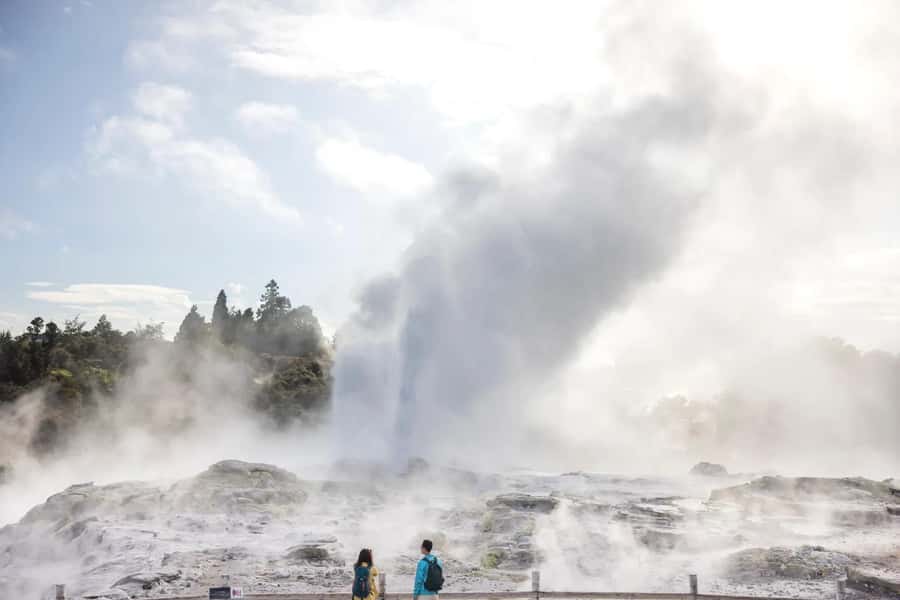
Te Puia is where this trip earns its keep. You’re not just free-roaming around geothermal features; you get a guided experience designed to help you understand what you’re seeing, including the Pōhutu Geyser, described as the largest in the Southern Hemisphere.
Expect to walk through classic Rotorua geothermal sights: bubbling mud pools, steaming vents, and dramatic earth textures. The big value here is the way the guide connects the visuals to explanations, so it feels like more than a photo stop.
This is also where you’ll spend the longest, with a guided Te Puia portion that lasts about 90 minutes. The tour guidance says all experiences at Te Puia are now guided, so plan to arrive early and follow instructions. If you want time to use the café, you’ll need to plan lunch on your own at Te Puia, since lunch isn’t bundled.
Tip for photos: geothermal areas can be smoky and wet, and lighting shifts fast. Bring a camera you can wipe off, and don’t count on perfect “no steam” visibility. In this kind of place, a little motion and steam actually makes the photos more real.
Māori Arts & Crafts and Te Aronui a Rua: why the cultural program is the heart of the day
Rotorua’s geothermal park is the headline, but the cultural program is often the moment people remember. At Te Puia, you’ll visit the Māori Arts and Crafts Institute, where you can see how skilled carvers and weavers keep traditional arts alive. Even if you don’t buy anything, it’s a meaningful context-builder for what comes next.
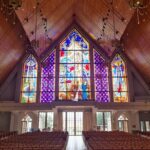
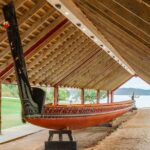
Then comes the performance in Te Aronui a Rua, an ornately carved meeting house. The program includes a traditional pōhiri (welcome), waiata (song), mōteatea (chant), a poi dance, and the stirring haka. The structure matters: it isn’t just a stage show. It’s presented as part of Māori tradition, with choreography and chant that connect you to the performance setting.
This is also the part where guide personality shows. One guide named MANAKI was praised for detailed explanations delivered with respect, plus a dose of humor that kept things moving without feeling hurried. On the other hand, another experience pointed out a guide who felt more like a driver and used prerecorded audio rather than building conversation with the group.
So here’s the honest advice: if you want a lively Q&A and more personal storytelling, arrive ready with questions. And if you prefer a more scripted format, you’ll still get the core cultural content.
Kiwi Conservation Centre: seeing New Zealand’s national bird up close

The Kiwi Conservation Centre is included as part of the Te Puia guided experience, which is a smart move. It means you don’t have to plan anything separately to see the national bird, and you get the context of conservation rather than just a quick glimpse.
Kiwi viewing tends to be the kind of experience you remember because of how different it feels from seeing common birds. It’s quiet. It’s focused. And it’s about protection as much as it is about viewing.
Practical thought: kiwi areas can have low light and shaded spots. If your camera struggles in dim conditions, bring a phone or camera that handles low light well, and keep your shots steady. Also, don’t plan this as a “fast photo and done” stop. Treat it like a watch-and-listen moment.
Redwood Forest walk in Rotorua: free time, towering trees, and photo stops
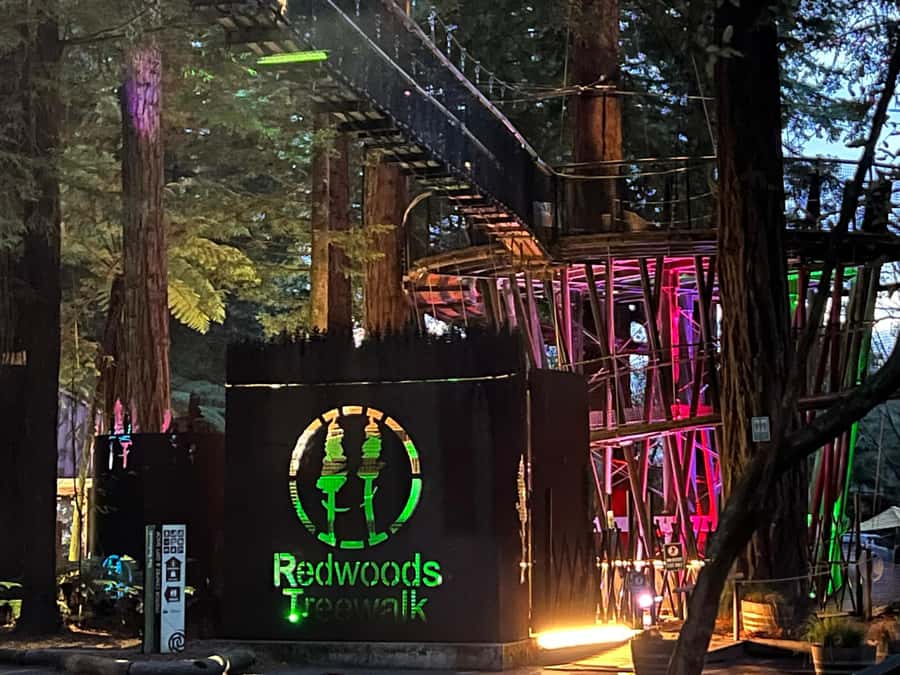
After Te Puia, you’ll do a Rotorua highlights drive, then get to step out for a walk in Whakarewarewa Forest (the Redwood Forest area). This is your slower, greener break from geothermal and performance intensity.
You’ll get a free walk (listed around 30 minutes, including a photo stop and visit). The draw is the scale: towering redwoods, with lush ferns and quiet trails that feel much calmer than the morning start. One highlight people call out is the skywalk experience among the tall trees, which can be an unforgettable way to see the forest structure from above (if it’s open and accessible on your day).
This portion is perfect for two types of travelers:
- the ones who want breathing room and a stretch after sitting on a bus
- the ones who like easy nature photos without committing to a long hike
Practical tip: bring a light layer. Forest shade can make it feel cooler, especially if there was morning mist.

Putāruru Blue Spring (Te Waihou Walkway): turquoise water and a short river walk
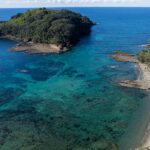
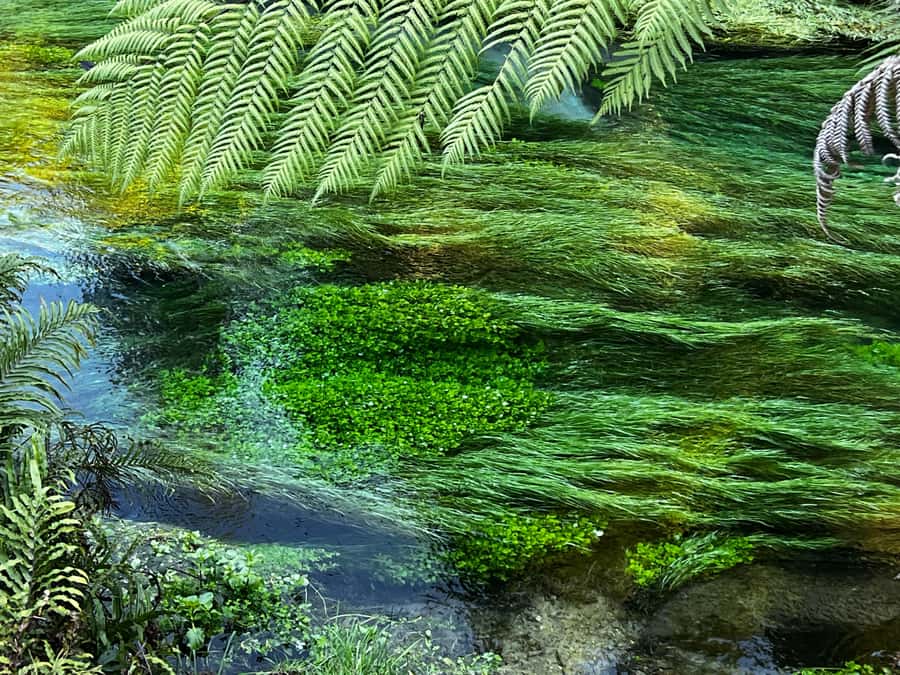
This is the cool-down stop. Putāruru Blue Spring is famous for its crystal-clear turquoise water, described as being filtered for up to 100 years through underground rock. The water stays around 11°C year-round, so even on a warm day, it feels like a crisp, refreshing reset.
You’ll have photo time and a visit around 30 minutes, with the option to take a short walk along the Waihou River. The scenery here is a mix of bush, farmland, and wetlands. It’s the kind of stop that gives you a peaceful break right before the drive home.
One caution from an experience note: one guide stayed behind with the bus in the blue spring car park, which wasn’t appreciated by everyone. That doesn’t change the fact that the spring is stunning, but it does mean you should confirm where you should meet the group and stay aware of the time.
Pack for comfort rather than heat: even if the air feels mild, the spring area can be cooler, and you’ll probably want a hat and water just like earlier in the day.
Price and value: what you’re paying for at $226 per person
At $226 per person for about 12 hours, you’re paying for three things at once: transport, guided content, and “multiple big-name stops” that would be annoying to combine on your own.
Here’s what’s included:
- hotel pickup and drop-off in Auckland CBD or Airport Hotels
- round-trip bus transport
- Te Puia visit with a guided geothermal portion
- Māori cultural performance
- Kiwi Conservation Centre
- Redwood Forest free walk
- Putāruru Blue Spring photo/visit time
The value is strongest if you don’t want the hassle of driving, coordinating entry times, and figuring out a route with early-day logistics. The trade-off is obvious: it’s not a slow travel day. You’re trading personal pacing for convenience and an all-in-one itinerary.
If you already have a rental car and you’re confident creating your own timing, the price may feel steep. But if you want a guided, scheduled day that hits both geothermal and culture without extra planning, it’s reasonable for what you get.
Who this Rotorua day trip suits (and who should think twice)
This trip is a great fit for first-timers in Rotorua who want the core highlights in one day: geothermal park with Pōhutu Geyser, Kiwi Conservation Centre, Māori performance, redwoods, and Blue Spring.
It’s also a good match for people who want structure. Te Puia is guided and timed, and the rest of the day has built-in photo/visit windows, which reduces decision fatigue.
Two important considerations:
- The experience is listed as wheelchair accessible, but it’s also marked as not suitable for wheelchair users. If mobility needs are part of your plan, confirm details before booking.
- It’s marked as not suitable for people with back problems, and the long sitting time on a bus makes that advice easy to understand.
If you fall into either group, you may still enjoy parts of the route, but it’s worth checking whether the walking segments and seating setup are manageable for you.
Smart tips to make the day smoother
Bring: comfortable shoes, a hat, sunscreen, a camera, and water. Add weather-appropriate clothing because Rotorua conditions can shift quickly through the morning to late afternoon. And remember: smoking isn’t allowed.
Timing tip: for Te Puia, arrive 15 minutes early. Because Te Puia experiences are guided and scheduled, being late can feel disruptive to the whole group and slow down your entry.
Food tip: lunch is on your own at Te Puia café/restaurant, so don’t assume you’ll get a meal included. If you’re picky about timing, you might want to eat before you head into Te Puia’s guided parts.
Finally, if you care about storytelling quality, consider that guide approaches can vary. Ask questions early in the day so you get the interaction you want, especially during the cultural segment.
Should you book this Auckland to Rotorua day trip?
Book it if you want a one-day Rotorua hit list that includes Te Puia’s guided geothermal tour and a full Māori performance program, plus kiwi viewing, redwoods, and Blue Spring. It’s especially good value if you’re staying in Auckland and don’t want to sort out transport and timing yourself.
Hold off or ask more questions before booking if you’re sensitive to long drives, need a very flexible schedule, or want heavy interactive guiding. One experience noted more prerecorded narration and a tour style that felt less personal, so if you prefer that human, conversational delivery, bring curiosity and ask questions.
If your goal is to see Rotorua’s geothermal power in the morning, then cool off with bright water and tall trees before heading back to Auckland, this itinerary hits the mark.
FAQ
What time do pickup and drop-off happen on this Rotorua day trip?
Pickup is offered from Auckland CBD hotels (around 5:45–6:00 AM) and Auckland Airport Hotels (around 6:15–6:30 AM). You’re taken back to Auckland and arrive at about 6:00 PM, with drop-off at the same two areas.
How long is the tour, and how much time is spent at Te Puia?
The full day is about 12 hours. Te Puia’s guided experience lasts around 90 minutes, and you should arrive about 15 minutes early for your scheduled start.
What’s included in the price?
The price includes hotel pickup and drop-off, round-trip bus transportation, Te Puia Rotorua Geothermal Park visit, the Māori cultural performance, the guided geothermal tour, and a visit to the Kiwi Conservation Centre.
Is lunch included?
No. Lunch at Te Puia café or restaurant is available, but it’s not included in the tour price.
What should I bring for the day?
Bring comfortable shoes, a hat, camera, sunscreen, water, and weather-appropriate clothing. Smoking is not allowed.
Is there a cancellation option if my plans change?
Yes. Free cancellation is offered up to 24 hours in advance for a full refund.