REVIEW · AUCKLAND
Auckland North Shore Glowworm Tour
Book on GetYourGuide →Operated by Social Nature Movement · Bookable on GetYourGuide
Magical light in the Auckland bush is hard to beat. On this North Shore glowworm tour, you’ll walk through native forest at dusk, learn how glowworms hunt, and watch the blue-green glow happen in the place it naturally lives.
Two things I really like: you get close viewing without barriers, and your guide turns the forest into a living classroom, with real explanations (not just pointing and hoping you see something). One thing to consider: the timing can be a little confusing—your booking info lists 45 minutes, while the bush-walk portion is shown as 105 minutes, so double-check the exact start time you select.
In This Review
- Key points to know before you go
- Meeting at Hairluxx Boutique Torbay and getting the night-start right
- Awaruku Reserve at dusk: Kauri trees, Nikau palms, and Māori place
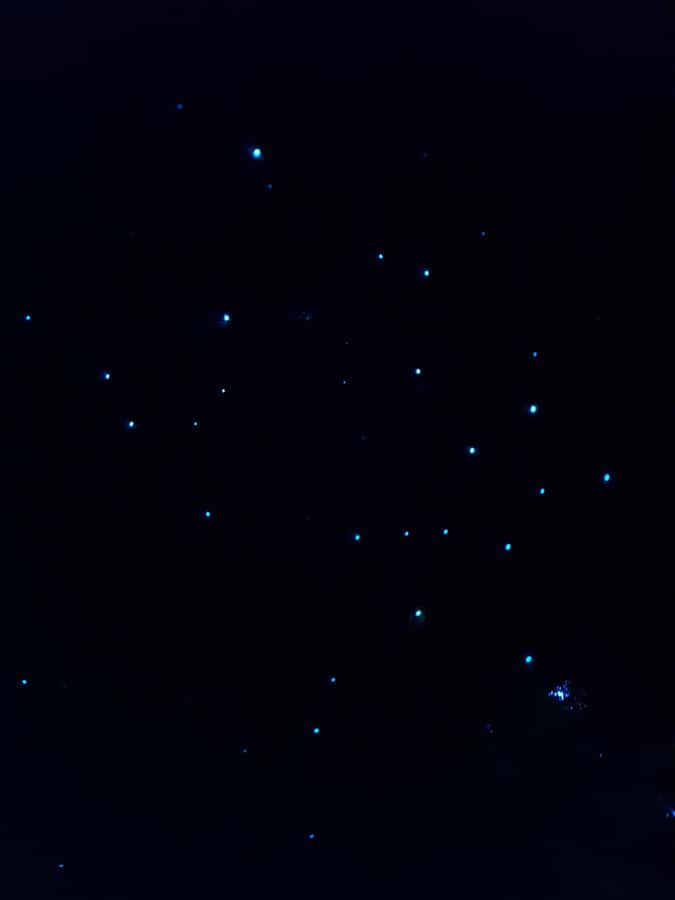
- Glowworm time: Arachnocampa luminosa close-up without barriers
- After the glow: conservation lessons for Kākā and Kererū
- Photo tips for blue-green glowworms in low light
- How long should you plan for, and what the evening feels like
- Why this Auckland North Shore glowworm tour is worth your time
- Who should book this tour?
- Should you book the Auckland North Shore Glowworm Tour?
- FAQ
- Where is the meeting point for the Auckland North Shore Glowworm Tour?
- How long is the glowworm tour?
- What will I see during the tour?
- Is the tour family-friendly?
- Do I need to bring a camera?
- What should I wear?
- Does the tour include a guide?
- Is there free cancellation?
Key points to know before you go
- Awaruku Reserve native forest setting: Over 12 hectares, with Kauri trees and Nikau palms.
- True close-up glowworm viewing: The highlight is seeing Arachnocampa luminosa in their habitat without barriers.
- Lifecycle lesson while you watch: How silk threads and light help the larvae catch prey.
- Conservation-focused walk: Learn how the reserve supports native birds like Kākā and Kererū.
- Small group (max 10): Easier for questions and for staying together in the dark.
- Bring a camera for night photos: It’s part of the purpose of the tour, not an afterthought.
Meeting at Hairluxx Boutique Torbay and getting the night-start right
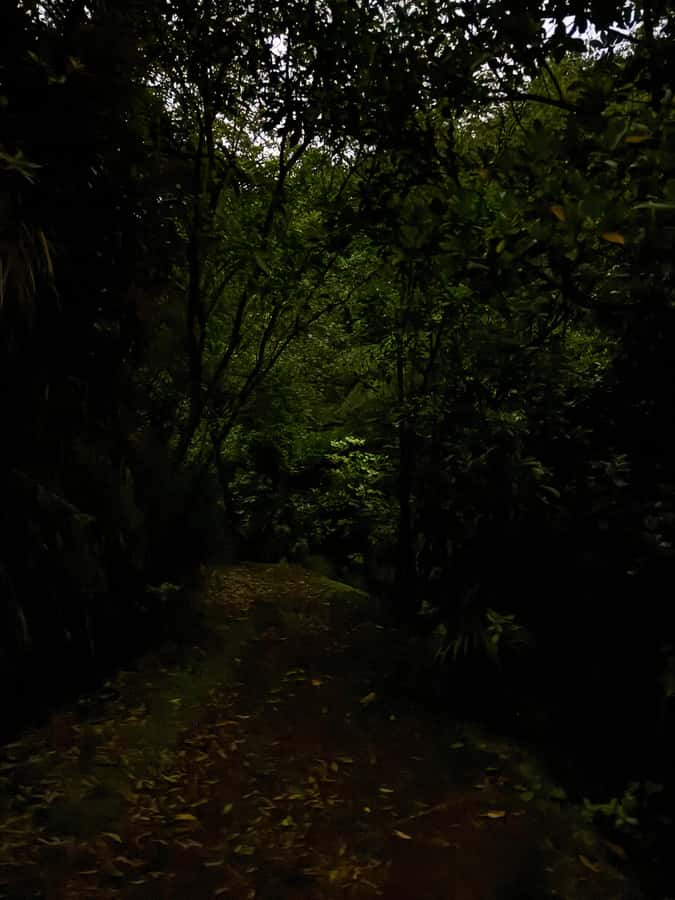
You start outside Hairluxx Boutique Torbay, and that matters more than you’d think. A glowworm tour depends on timing: arrive too early and the forest may not be properly dimmed; arrive late and the magic can be half gone. Plan to show up a few minutes ahead so you can settle, meet your guide, and get your bearings before the night walk begins.
You’ll also get a short safety briefing right after your guide welcomes you. That’s a good sign for a small, night-time walk in native forest—you’re being guided through how to move quietly and respectfully in the dark.
One small logistics note I’d take seriously: there’s a mismatch in the provided timing. The experience is listed as 45 minutes, but the bush-walk portion shown is 105 minutes. Don’t guess—check the specific time window for your selected departure. Then build in extra breathing room, so you’re not rushing at the end.
You can also read our reviews of more tours and experiences in Auckland.

Awaruku Reserve at dusk: Kauri trees, Nikau palms, and Māori place
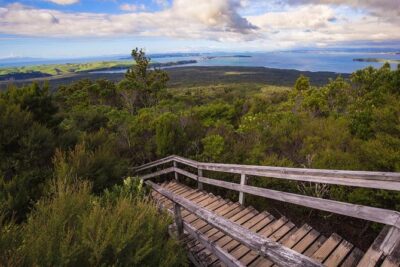
The walk takes you into Awaruku Reserve, a native forest area over 12 hectares. This isn’t a quick roadside stop. It’s a real walk through forest with iconic trees, including Kauri trees and Nikau palms—the kind of botanical mix that makes Auckland’s North Shore feel wilder than many people expect.
Your guide will point out what you’re looking at and connect it to the area’s cultural and ecological context. You’ll hear about the site’s significance as a place of ancient Māori settlements, along with the modern-day importance of protecting the ecosystem.
At dusk, the forest changes. Sounds shift, the light drops, and that “daytime park” feeling fades fast. The tour uses that natural transition well: you’re walking the reserve before the glowworm moment, so the final stop feels earned rather than sudden.
Glowworm time: Arachnocampa luminosa close-up without barriers
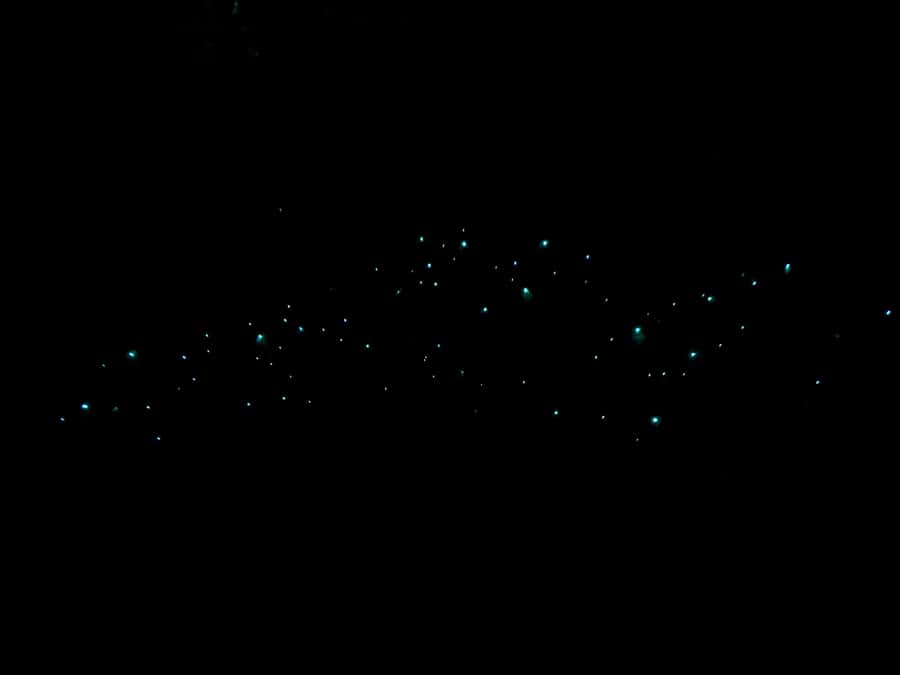
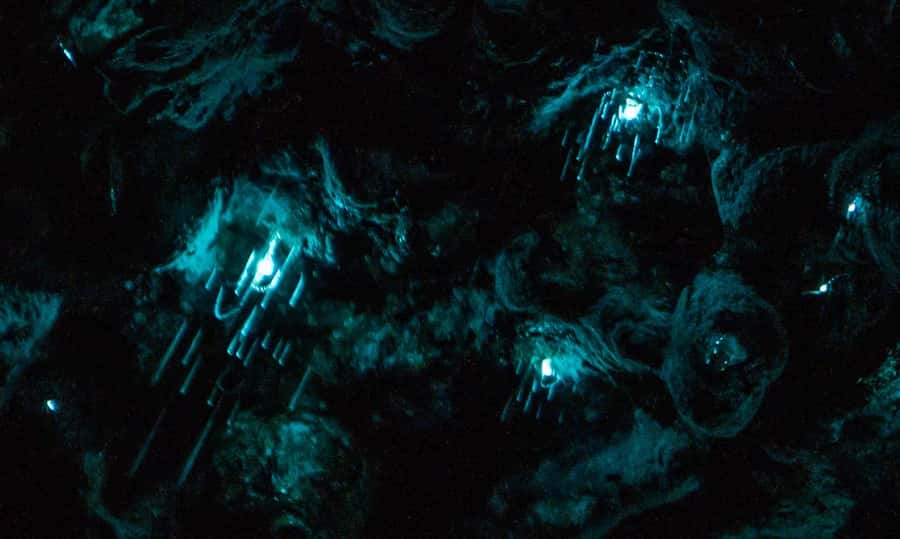
The main event is seeing Arachnocampa luminosa, New Zealand’s glowworm larvae. These are not adult insects flashing around like fireflies. They glow from silk threads in the darkness, and that’s part of what makes this experience so satisfying—you’re watching a natural hunting setup, not just random lights.
Here’s what your guide focuses on when the glowworms appear: the glow is tied to their lifecycle and feeding strategy. The larvae produce light and use silk threads to help capture prey. It’s a small detail, but it changes everything. Once you understand what you’re seeing, the glow feels purposeful, not just pretty.
Your best views come from the highlight promise: you see the glowworms in their natural habitat without barriers. That usually leads to better photo angles and more “I’m right here” feelings—because you’re close enough to notice the surrounding forest too, not just the lights.
From the guide stories shared with this tour, the “close and clear” part matters. Guides like Legend and Chris are described as explaining how the glowworms live and answering questions about the forest and wildlife, not rushing you past the glow.
After the glow: conservation lessons for Kākā and Kererū
Once the glowworms have done their job, the tour doesn’t just end at the lights. You’ll take a short walk focused on conservation efforts that protect the ecosystem.
This section is valuable because it turns the moment into something you can carry home. You’ll learn that Awaruku Reserve supports native species like Kākā and Kererū, and you’ll hear how restoration work helps give those birds a safer environment to survive and thrive.
In practical terms, conservation talks can fall flat if they’re vague. Here, the framing is built around the reserve itself—what’s being protected, why it matters, and what the glowworm habitat depends on. You’re not just seeing nature; you’re learning the living system that keeps it going.
There’s also a quiet emotional effect to this part. Glowworm tours happen at night. After the lights, the reserve feels still and private, which makes the conservation message land harder.
Photo tips for blue-green glowworms in low light
This tour is explicitly built with photography in mind. The highlights mention that you’ll have time to take photos of the glowworms and the surrounding nature, and the emphasis on seeing glowworms close-up helps a lot with night shots.
A few photo thoughts I’d keep in mind before you go:
- Bring a camera you’re comfortable using in low light. A phone can work, but test your camera’s night mode settings before you need them.
- Expect dark. You’ll be walking in a forest at night, so plan for steadier shots rather than lots of rapid framing.
- Keep your focus on the scene, not just the glow. Since you’ll be near the habitat, you can often capture a mix of forest texture and lights.
The guide-driven element matters too. When your guide understands what you’re photographing, they can help you slow down at the best viewing spots and explain what you’re aiming to capture.
And if you’re extra lucky, you might get a surprise. One guide-night story included a cute little cat joining the walk, which adds a strange charm to an already quiet, magical scene.

How long should you plan for, and what the evening feels like
The provided details say the experience duration is 45 minutes, but the bush-walk portion is shown as 105 minutes. That’s a big difference, and it affects expectations.
Here’s how I’d plan it anyway: treat this as an evening walk where you’ll start with a welcome and safety briefing, spend real time in Awaruku Reserve before glowworm viewing, then finish with a peaceful walk back to the car park. Even if the formal “duration” reads shorter, the experience is structured around slow evening transitions.
The emotional pacing tends to work like this:
1) meet and settle
2) walk through forest while dusk deepens
3) arrive at the glowworm viewing spot
4) learn and watch in the quiet
5) take the conservation walk
6) head back calmly
That “quiet awe” vibe is part of the value. In a country known for big, famous attractions, it’s nice to have a guided night experience that still feels intimate.
Why this Auckland North Shore glowworm tour is worth your time
Glowworms in New Zealand are most famous because of Waitomo, so it’s worth asking: why do this on the North Shore?
The big reason is convenience and context. You’re not racing across the island for a single highlight. You’re getting a guided night walk in Auckland’s own native forest environment—Kauri and Nikau included—so the glowworms feel connected to place.
Also, the format is built for quality viewing:
- small group up to 10
- English live guide
- close viewing without barriers
- explanations of what’s happening
In the feedback for this tour, a common theme is that guides create real understanding. People mention learning glowworm facts and getting close enough for it to feel magical, not distant. One person even described it as saving them a drive to Waitomo, which captures the practical value: you can scratch the glowworm itch without turning the evening into a long logistics day.
If you’re the type who loves living night science, the operator also offers other bioluminescence-focused experiences that can include coastal bioluminescence when conditions are right (that’s separate from glowworm viewing, but it’s part of the same broader “living light at night” theme). It’s a good option if you want to keep exploring after the forest glow.
Who should book this tour?
This Auckland North Shore glowworm tour is a strong fit if you:
- want a guided nature night in Auckland that doesn’t require a major trip
- enjoy learning the story behind what you see (not just sightseeing)
- like small groups where you can ask questions
- want the glowworms in a native forest setting, with conservation context
It’s also a nice choice for people who want a simple, low-stress evening. You’re asked to wear comfortable walking shoes and bring a camera. That’s it. No complicated gear list, no special skills required.
If you’re traveling with kids, the glowworms and the quiet night atmosphere can be a great “science meets wonder” experience, especially when a guide keeps things engaging.
Should you book the Auckland North Shore Glowworm Tour?
If you want close-up glowworm viewing in Awaruku Reserve, with a small group and a guide who explains the Arachnocampa luminosa lifecycle, I think booking makes sense. The tour’s strengths are very clear: seeing glowworms without barriers, learning how they hunt, and finishing with a conservation walk that connects the lights to the birds and ecosystem that depend on protection.
The only real reason to pause is the time confusion. Because the duration and the bush-walk timing don’t match cleanly, confirm the schedule for your departure so you know what to expect from the evening.
FAQ
Where is the meeting point for the Auckland North Shore Glowworm Tour?
Meet outside Hairluxx Boutique Torbay. Your guide will meet you there to begin your journey.
How long is the glowworm tour?
The activity duration is listed as 45 minutes. The bush-walk portion is also shown as 105 minutes, so it’s smart to check your exact start time.
What will I see during the tour?
You’ll visit Awaruku Reserve and see New Zealand glowworms (Arachnocampa luminosa) in their natural habitat.
Is the tour family-friendly?
The provided information doesn’t specify age limits. It is a guided night walk in native forest, so you should consider comfort with walking shoes and dark conditions.
Do I need to bring a camera?
Yes. The “know before you go” info says to bring a camera for photos.
What should I wear?
Wear comfortable walking shoes, since the tour includes walking on trails in the reserve.
Does the tour include a guide?
Yes. It’s a live guided tour in English, and the group size is limited to 10 participants.
Is there free cancellation?
Free cancellation is offered up to 24 hours in advance for a full refund, and there’s also a reserve now, pay later option.