REVIEW · AUCKLAND
Auckland to Rangitoto Island Ferry
Book on Viator →Operated by Fullers360 · Bookable on Viator
Rangitoto is Auckland’s cone of mystery. Off the Hauraki Gulf, this perfectly symmetrical volcano rises 260m and turns a half day into real scenery. I like the simple Auckland CBD ferry setup with a return ride included, and I also like that the on-island walk to the top is optional so you can choose your effort. The main drawback to plan around is practical: there are no shops on Rangitoto, so you need to bring water and snacks (or buy on the ferry).
This is one of those trips where the timing matters, because the island is all lava fields, native bush, and a few sandy coves, not a shopping mall. In many cases you’ll also get an orientation loop by tractor-pulled tram, then decide how far you go—either up the boardwalk stairs toward the summit and viewpoints, or just enjoy the views from lower down.
In This Review
- Key highlights at a glance
- Why Rangitoto looks so weirdly perfect from Auckland
- Fullers360 ferry from downtown: the easy part that still matters
- Getting to the volcanic shore and the tractor-tram orientation loop
- The summit choice: boardwalk stairs, viewpoints, and pacing
- Lava caves and detours: what you can do with your time
- What to pack for Rangitoto: the island’s real rule is survival basics
- Price and value: what $37.23 buys you (and what it doesn’t)
- Timing: avoiding the classic ferry-fear moment
- Who this Auckland to Rangitoto ferry day is best for
- Should you book this Auckland to Rangitoto Island ferry?
- FAQ
- How long is the Auckland to Rangitoto Island ferry experience?
- Where do I board the ferry?
- Does the ticket include the return ferry?
- Is there food or water available on Rangitoto Island?
- Is the summit walk required?
- Can I cancel for a full refund?
Key highlights at a glance
- Fullers360 return ferry from Quay Street makes the day easy to structure
- Rangitoto’s volcanic setting: lava rock fields, native bush, sandy coves, and a 260m cone
- Optional summit climb with a steep boardwalk-stair section (about 350 steps)
- No shops on the island, so bring snacks, water, sunscreen (food and drinks may be available on the ferry)
- Small-ish group size (up to 24) for a more relaxed vibe
Why Rangitoto looks so weirdly perfect from Auckland
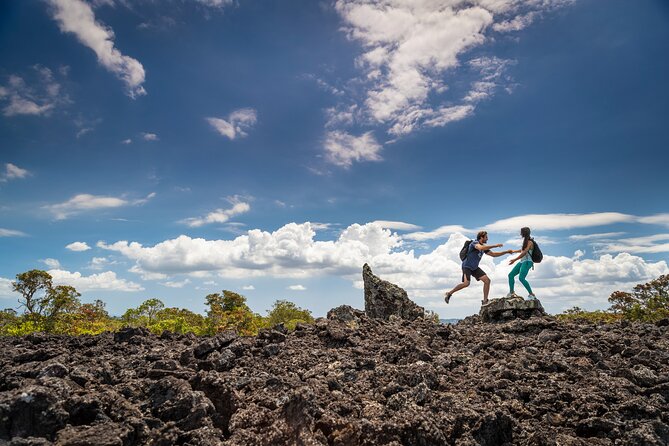
Rangitoto is one of those places you can spot from Auckland and still feel like it doesn’t fully make sense until you’re near it. The volcano rises in a symmetrical cone—260m straight up—built from rugged lava flows. Up close, you’ll see how that geology turns into a living patchwork: rough volcanic rock, areas of native bush, and small sandy coves along the coast.
What I like about visiting this way is that you get the big-picture view from the water first, then you transition from ocean to volcanic land without having to plan a car day. You’re not just hiking; you’re learning how volcanic terrain shapes everything around it.
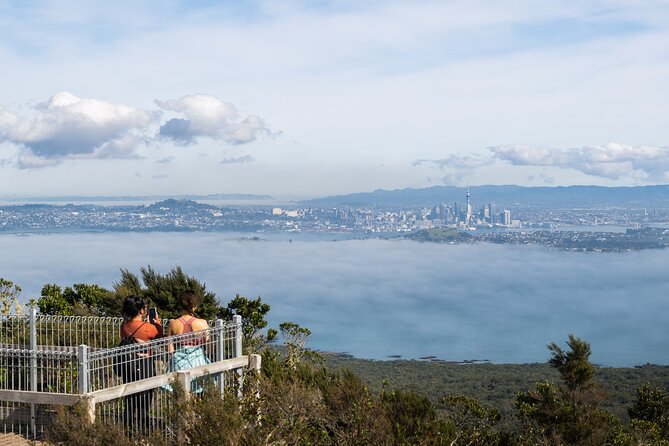
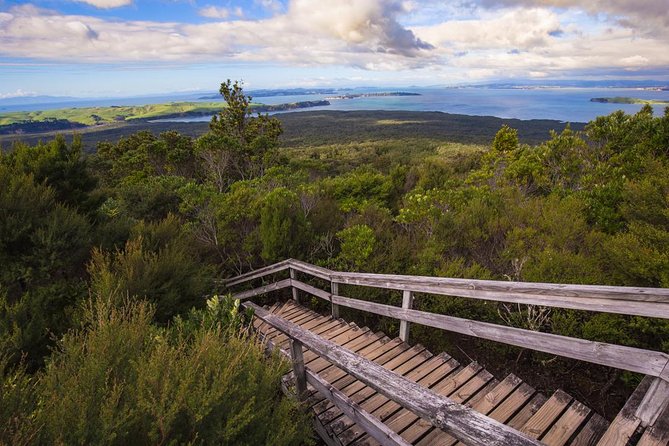
If you do the summit walk, you’ll also be rewarded with wide lookout views over the Gulf and the Auckland area. Even if you skip the top, the island still has that “how is this real?” texture from the lava fields.
You can also read our reviews of more tours and experiences in Auckland.

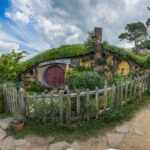
Fullers360 ferry from downtown: the easy part that still matters
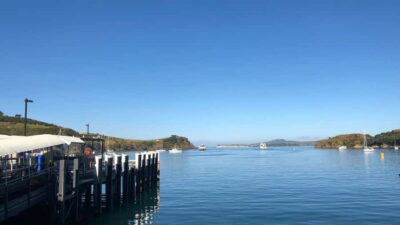
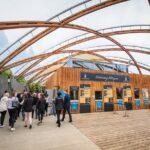
Your day starts in Auckland CBD at the downtown ferry terminal on Quay Street. You board the Fullers360 ferry there and head across the Hauraki Gulf toward Rangitoto’s volcanic shoreline. The cruise time is about 25 minutes one way, and you can expect a total outing of around 4 hours including the on-island time and return.
This is where the practical value shows. A $37.23 ticket isn’t just transport—it saves you the hassle of coordinating your own public connections, parking, and timing. Plus, the ferry gives you a moving viewpoint before you step onto the island’s uneven ground.
One thing to keep in mind: ferry terminals can be confusing if you arrive flustered. Some people have had trouble finding the right boarding area and ticket exchange spot. My advice is simple: show up early enough to find your bearings, then keep your voucher and confirmation handy.
Getting to the volcanic shore and the tractor-tram orientation loop
After the ferry ride, you’ll transfer to the main experience on the island. This outing is built around a tractor-pulled wagon/tram loop that helps you see key volcanic areas without forcing everyone to hike every single metre. The ride can be bumpy—part of the charm for some people—but it’s also a relief if your legs want a break.
This is where a good guide makes a big difference. One guide name you might hear around these experiences is Mark/Mac, who has a knack for mixing conservation and island history with a light, Kiwi-style sense of humour. Even on days when weather isn’t perfect, the commentary keeps the time feeling purposeful instead of like random sightseeing.
The main drawback? If you expect lots of different “activity stations,” you might feel the time is mostly about orientation plus one or two big highlights. The island is protected and its best moments are outdoors—lava rock, native plants, viewpoints—so there’s only so much variety built in.
The summit choice: boardwalk stairs, viewpoints, and pacing
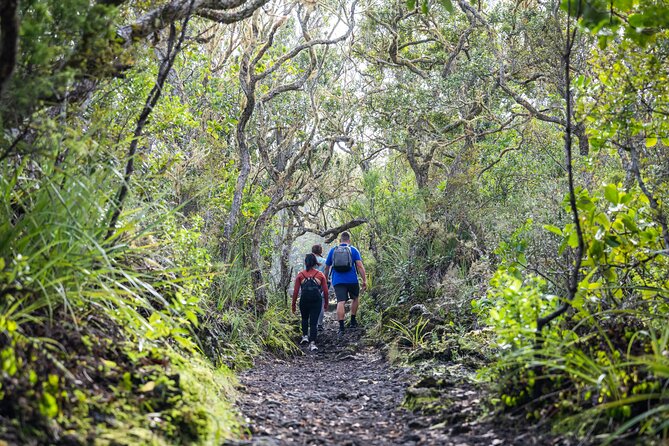
The summit walk is the big decision point. The climb to the top is described as about one hour at an easy pace, and it’s on boardwalk stairs. In practice, that means you’re dealing with a steep stair-and-boardwalk section that can be roughly 350 steps. If stairs aren’t your thing, you can choose not to do the climb and still enjoy views from lower on the island.
Here’s how I’d think about the effort level:
- If you want the best panoramic payoff, plan to go up.
- If you’re travelling with kids, or your comfort with stairs is limited, stay at the base viewpoints and focus on the island textures around you.
One practical note from real-world visits: the staircase can be at least partly shaded. That helps in warm or hot conditions, but it doesn’t replace good sun protection. If you’re going for the summit, wear supportive footwear—lava rock and steps can get slick—and bring water even if you think you’ll only go “a little way.”
Lava caves and detours: what you can do with your time
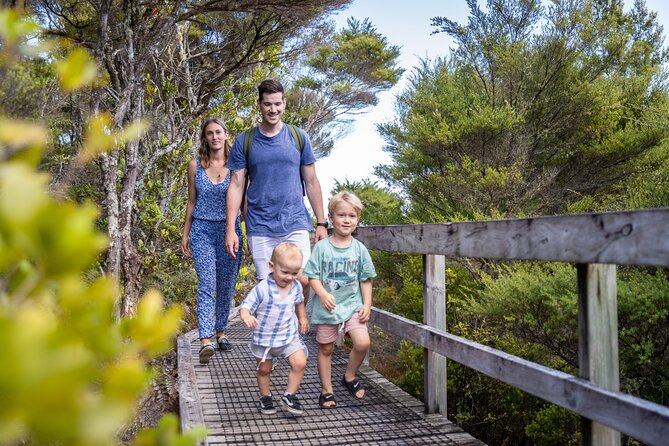
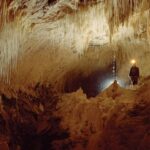
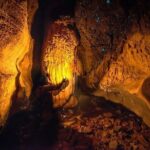
The island isn’t just one big hike. There are chances to detour toward features like lava caves while you’re moving up and around. This is why you should leave enough time for side stops rather than treating the walk as a straight-line climb.
In some situations, you may not get as much time as you’d like to explore every cave area, especially if the group has to meet the return ferry. The key is not to treat this like a full spelunking expedition. Instead, think of caves as a bonus if they fit into the day’s schedule.
If caves are calling your name, consider bringing a small flashlight/torch. You’re not guaranteed a lot of time underground, but if you spot a chance to look into lava-tube openings, you’ll be glad you’re prepared.

What to pack for Rangitoto: the island’s real rule is survival basics
This trip has one unavoidable reality: there are no shops on the island. So your “what to bring” list is not optional. The day is long enough for you to get thirsty, and the sun can be relentless depending on the weather.
At minimum, pack:
- Snacks and water (don’t wait until you’re hungry)
- Sunscreen
- A hat
- Supportive shoes with grip
Food and beverages can also be purchased on the ferry en route to Rangitoto, which helps if you forget something. But don’t count on that being a full solution—get your supplies before you’re stuck on island time.
Weather can change quickly in coastal places. People have reported being handed ponchos in wet conditions, so it’s smart to carry a light rain layer even if the forecast looks kind.
Price and value: what $37.23 buys you (and what it doesn’t)
At $37.23 per person, this is not a luxury day. It’s a practical ticket that gets you to a dramatic volcanic site from downtown Auckland and back, with a short guided component on the island.
Here’s why I think it’s good value for the right traveller:
- You’re using the ferry rather than building your own transportation plan.
- Rangitoto is a distinctive place that would be harder to experience well without the ferry timing.
- The trip time is manageable—about 4 hours—so it fits into a tight itinerary.
What can feel like a letdown is when expectations don’t match the essentials. This isn’t a full-day resort experience, and the island is natural and protected, so there aren’t shop stops or indoor diversions to fall back on. If you need a built-in meal plan, you’ll have to solve food yourself.
Timing: avoiding the classic ferry-fear moment
Because the ferry runs on schedule, your day lives and dies by timing. The overall duration is about 4 hours, so it’s not a “linger as long as you want” situation once you’ve started the on-island part.
A few things will help you avoid stress:
- Don’t arrive at the terminal right at the last second.
- When you get on the island, treat your plan like a checklist: orientation loop, optional climb, optional detours, then back with enough buffer.
- If you’re going for the summit, be honest with yourself about how long you’ll spend there. More time up top can mean less time for extras, and missing the ferry is expensive in both money and patience.
Also, keep an eye on where you’re supposed to board. Some visitors have mentioned having to exchange a voucher at one area and board from another pier number. Your goal is to move calmly and follow the staff instructions, not improvise.
Who this Auckland to Rangitoto ferry day is best for
This experience fits best if you want dramatic scenery without a full-day commitment. It’s a strong choice for first-timers to Auckland because it turns your time into something you can’t replicate easily on city streets.
You’ll probably enjoy it most if:
- You like easy-to-moderate outdoor walking
- You want volcanic scenery and native plant areas in one outing
- You’re happy to bring snacks and water and keep it simple
- You want a guided orientation plus the option to climb
It’s less ideal if:
- You hate stairs or rocky, uneven ground
- You need lots of built-in food/drink options on the island
- You expect numerous separate stops and extended cave exploration
Families can work well here if the group manages expectations: do a viewpoint plan that matches everyone’s stamina. People who love hiking tend to get the most satisfaction when they add the summit walk.
Should you book this Auckland to Rangitoto Island ferry?
I’d book it if your priority is a straightforward way to see Rangitoto’s volcanic cone from the Hauraki Gulf, with the flexibility to climb to the summit or stay lower and still enjoy the views. The ferry-from-CBD structure keeps things simple, and the tractor-tram orientation helps you make sense of the terrain without turning the day into a marathon.
Skip it or reconsider if you need guaranteed long cave time, want a full meal included on the island, or you’re very sensitive to bumpy rides and stairs. Also, double-check your food plan before you go—Rangitoto is beautiful, but it’s not set up to be your pantry.
If you’re prepared with water, sunscreen, and good shoes, this is an efficient, genuinely interesting day trip that feels like it belongs to New Zealand, not a theme park.
FAQ
How long is the Auckland to Rangitoto Island ferry experience?
The total duration is about 4 hours (approx.).
Where do I board the ferry?
You start at the downtown terminal on Quay Street in Auckland Central (Auckland 1010). The experience ends back at the same meeting point.
Does the ticket include the return ferry?
Yes. Return Rangitoto Ferry is included.
Is there food or water available on Rangitoto Island?
No shops are located on the island, so you should bring food and drinks. Food and beverages can be purchased on the ferry en route to Rangitoto Island.
Is the summit walk required?
No. The walk to the summit includes boardwalk stairs and is optional. You can also enjoy views from the base.
Can I cancel for a full refund?
You can cancel up to 3 days in advance of the experience for a full refund. If you cancel less than 3 full days before, the amount paid will not be refunded.