REVIEW · AUCKLAND
Auckland: Rotorua Living Maori Village Tour w/ Haka & Lunch
Book on GetYourGuide →Operated by Expedigo NZ · Bookable on GetYourGuide
Steam, song, and a haka for one memorable day. At Whakarewarewa, locals show how Māori life connects to the geothermal world, and I like the guided village experience paired with the haka performance. One real tradeoff: you’re signing up for a long 12-hour day that includes a lot of bus time from Auckland.
I also appreciate how much the guides focus on the people in the group. Jason, for example, was described as friendly and thoughtful, checking in constantly when travelling with an older person, while other tours have run with guides like Daniel and Aaron—same theme, keep you comfortable and informed. And yes, the hāngī lunch is part of the point of the day, cooked with natural steam, followed by dessert.
In This Review
- Key things I’d bank on before you go
- Whakarewarewa Village: A cultural stop that feels like it’s still happening
- The Auckland-to-Rotorua day plan: 12 hours, real pace, real comfort needs
- Geothermal Trail time: silica formations, mud pools, and geyser views
- The village tour: guided by locals, focused on customs and daily life
- Songs, dance, and the haka performance: what to expect and how to watch
- Hāngī lunch with natural steam: a satisfying cultural break, with one caveat
- Rotorua highlights after the village: Government Gardens, lake views, Sulphur Point, and a museum stop
- Price and value: what $224 really buys you
- Who this tour suits best (and who should rethink it)
- Should you book the Auckland to Rotorua Whakarewarewa haka and hāngī tour?
- FAQ
- How long is the Auckland to Rotorua tour?
- Where is the experience based?
- What’s included in the ticket price?
- Are food and drinks included?
- Is the tour guide available in English?
- Do I need to buy separate tickets for the village and geothermal trail?
- How does pickup from Auckland hotels work?
- Is free cancellation available?
Key things I’d bank on before you go
- Whakarewarewa guided visit from locals of Tūhourangi Ngāti Wāhiao, so you’re hearing daily-life context, not just stage patter
- Haka and cultural performances included as part of the village program
- Geothermal Trail ticket built in, timed so you’re walking the sights while the day’s stories still feel fresh
- Hāngī lunch with dessert, cooked with natural steam
- Rotorua highlight drive after the village: Government Gardens, Lake Rotorua, Sulphur Point, and the Rotorua Museum
- English live guide plus hotel pickup/drop-off, which matters when you’re spending most of your day on the road
Whakarewarewa Village: A cultural stop that feels like it’s still happening
Whakarewarewa isn’t presented as a museum. It’s a living Māori village setting, with locals guiding you through what life looks like and what traditions mean there. The tone is personal and grounded, and you’ll get the sense that the geothermal landscape isn’t just scenery—it’s part of the way the community understands and uses the land.
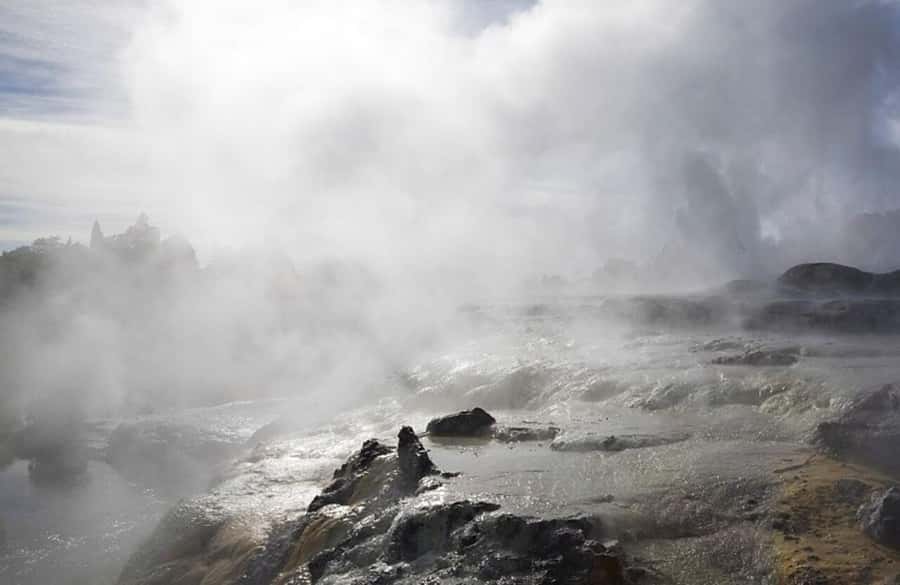
You start with the arrival moment too: warm welcomes and the clear presence of geothermal steam rising from the earth. That sets expectations fast. This isn’t only about watching; you’re learning how people connect everyday customs to a place shaped by heat and water.
You can also read our reviews of more tours and experiences in Auckland
The Auckland-to-Rotorua day plan: 12 hours, real pace, real comfort needs
This is a full-day outing, and the logistics drive how it feels. You leave Auckland by bus, then you spend most of your time in Rotorua with a village visit, a geothermal trail walk, performances, lunch, and a short driving tour before heading back.
Pickup is door-to-door from selected hotels, and it starts up to 20 minutes before the scheduled departure. Your guide may reach your pickup point within a 10-minute window, so being outside 5–10 minutes early is the simplest way to avoid stress. The day runs smoother when you treat the schedule like it’s tight, because the tour operator says they can’t wait for late arrivals.
After the village portion, you get a guided driving tour of Rotorua’s highlights, including Government Gardens, Lake Rotorua, Sulphur Point, and the Rotorua Museum. Then it’s back to Auckland. If you prefer short days and minimal transit, you’ll feel the length here.
Geothermal Trail time: silica formations, mud pools, and geyser views
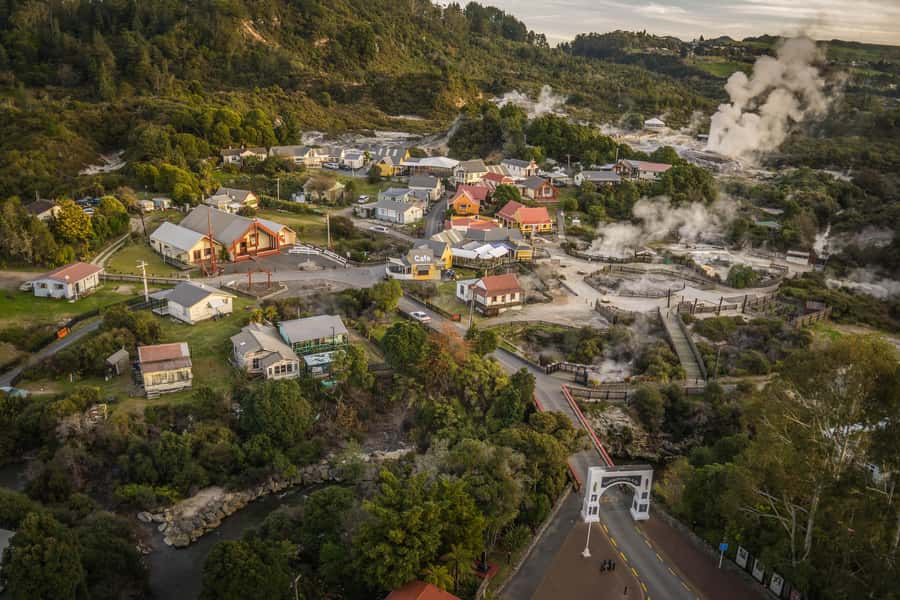
One of the best reasons to choose this specific tour is that the geothermal viewing isn’t an afterthought. The package includes a ticket for the Geothermal Trail, so you’re not just told about the landscape—you’re given time to walk through it.
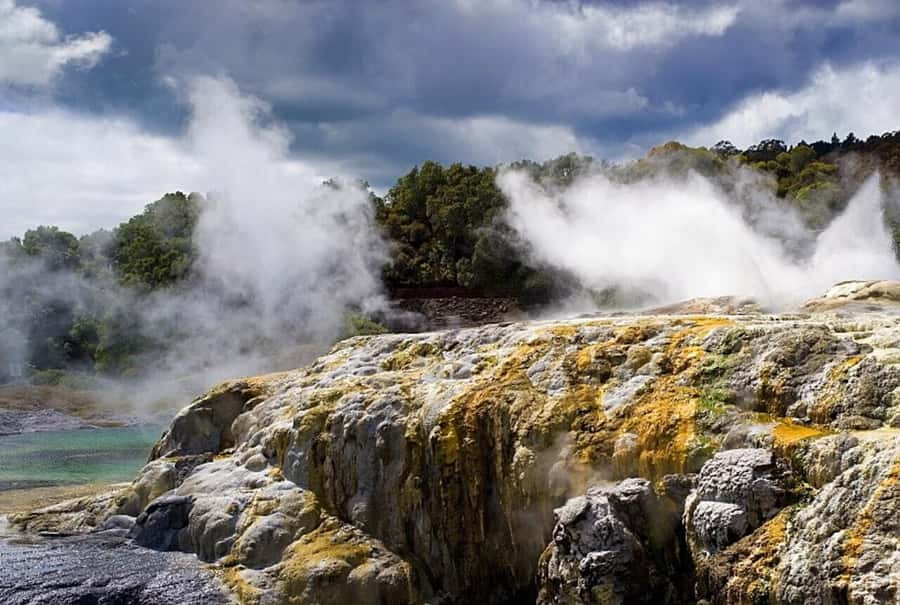
Expect to see Rotorua’s geothermal features up close: silica formations created by nature over time, bubbling mud pools, spouting geysers, and steaming vents across the area. The tour highlights mention panoramic views of geysers as well, which helps you get the bigger-picture look without turning the day into a hiking project.
This is also where the day’s story starts clicking together. Since the village tour connects Māori life to geothermal activity, the trail walk helps you connect what you heard to what you see.
The village tour: guided by locals, focused on customs and daily life
Inside Whakarewarewa, the guided component is the heart of the experience. You’re exploring a traditional Māori village setting with locals from Tūhourangi Ngāti Wāhiao, who share the customs and lifestyle that shape day-to-day routines.
This is where the tour earns its authenticity. The village is presented as a real place with real context, and the guide framing matters. You’re not only learning facts; you’re being shown how people interpret land, geothermal energy, and tradition through everyday practice.
You can also expect interactions and opportunities to ask questions, since the tour is guided and designed for conversation, not just walking and listening. If you enjoy hands-on learning—learning that includes how people explain meaning rather than only naming objects—this is your moment.
Songs, dance, and the haka performance: what to expect and how to watch
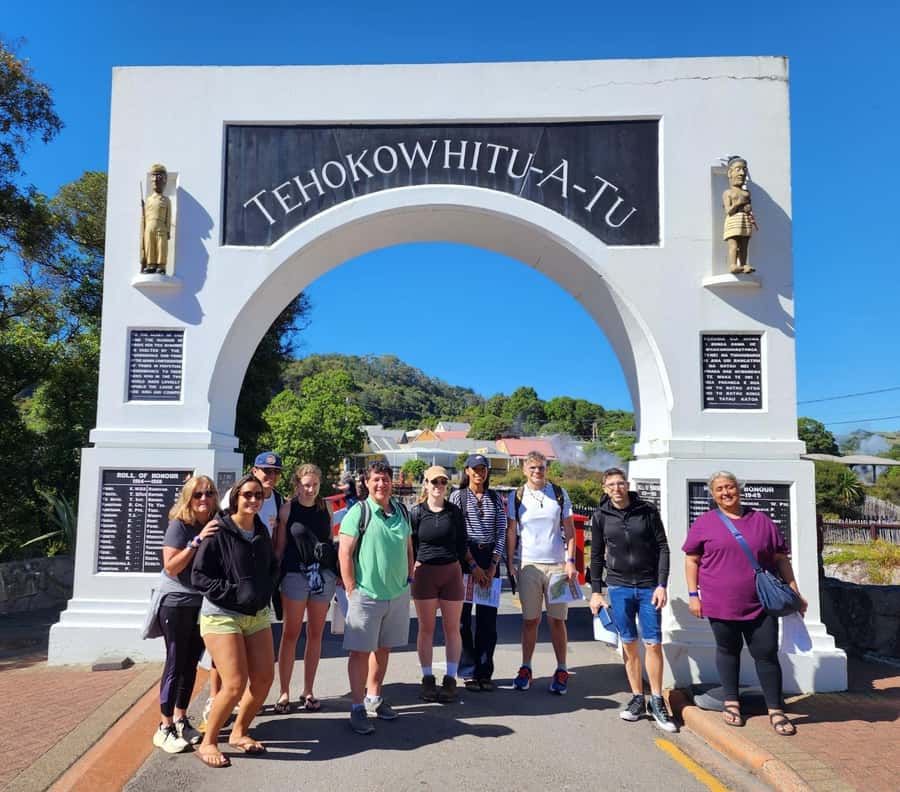
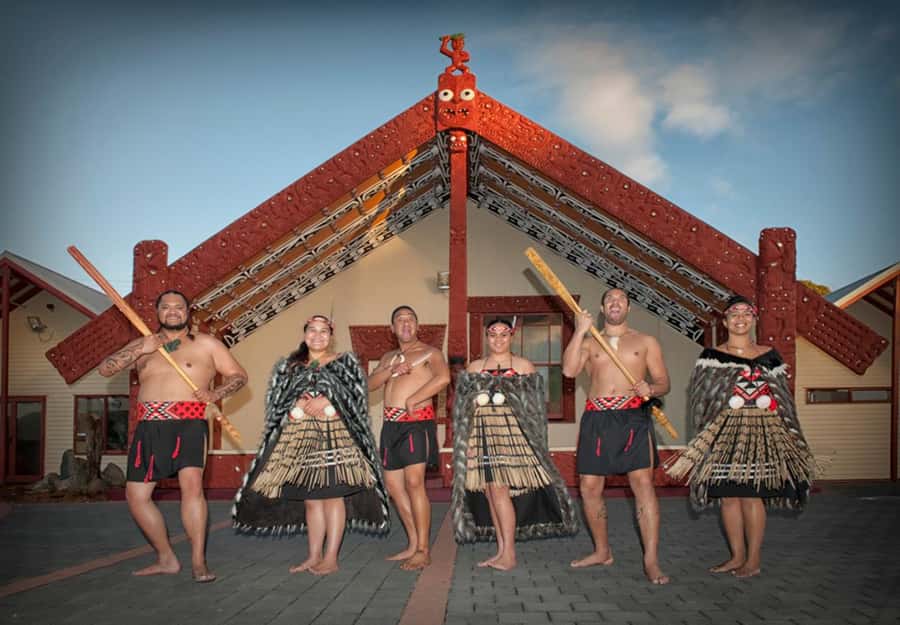
A major highlight is the cultural performance program, including traditional Māori songs and dances plus a haka. The haka is described as world famous in the tour highlights, but the bigger point is that it’s woven into the village experience rather than dropped in as a separate tourist show.
How do you watch it well? I’d treat it like a moment of communication, not a spectacle you scroll past. Follow the guide’s setup, pay attention to the pacing and expressions, and take cues from how the performers interact with the space. If you’re sensitive to loud, intense performances, this is still worth considering—but go in prepared for energy and volume.
The quality of the guide often changes how the performance lands. In one account, Daniel was praised along with the show, and the overall experience left a deep impression. In another, Jason’s approach stood out for being attentive and thoughtful, including checking in when travelling with an older person—meaning the group experience stayed comfortable even as the cultural program took center stage.



Hāngī lunch with natural steam: a satisfying cultural break, with one caveat
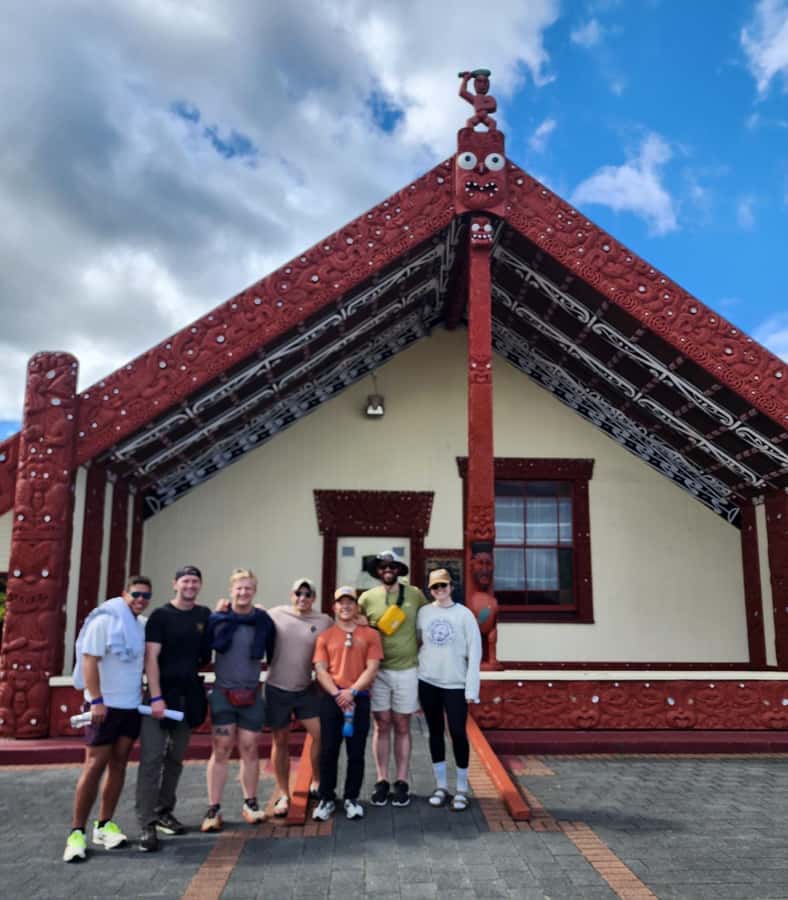
Lunch is a traditional hāngī meal cooked with natural steam, followed by dessert. This matters because it’s not just food as an add-on; it connects to the geothermal theme that runs through the day.
That said, you should hold a realistic expectation. The meal is described as simple in at least one positive account, and there’s also a clear warning sign from a more critical note: on a rainy day, someone found the food cold, describing chicken and vegetables as cool. I don’t think that’s the usual outcome, but it’s enough to plan like it might happen.
So what should you do? Bring a warm layer for the day. If you know you’ll feel disappointed when meals run cool, you may want to carry a small snack for backup since food and drinks beyond the included meal aren’t part of the package.
Rotorua highlights after the village: Government Gardens, lake views, Sulphur Point, and a museum stop
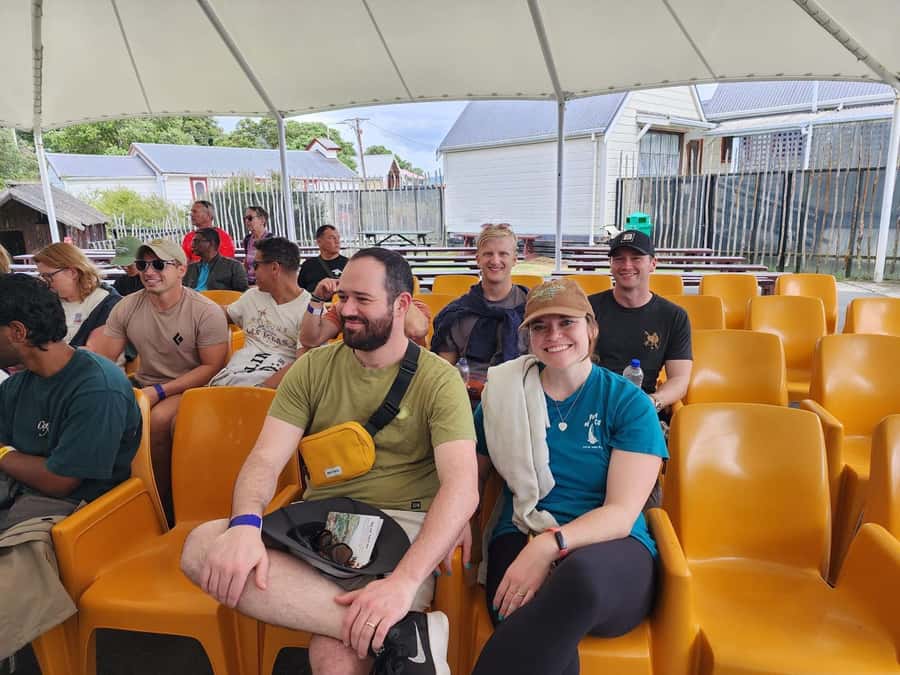
After Whakarewarewa, the tour shifts gears to a guided driving loop. The stops listed are practical and varied enough to give you a first-time Rotorua snapshot:
- Government Gardens for a classic Rotorua stop that feels like a change of pace
- Lake Rotorua so you can take in the water views
- Sulphur Point to see another geothermal-related area
- Rotorua Museum to round out the day with a cultural and historical lens
Because this is a driving tour, you’re not doing long walks at each stop. That keeps the full-day structure manageable, especially after the village and trail time.
Price and value: what $224 really buys you
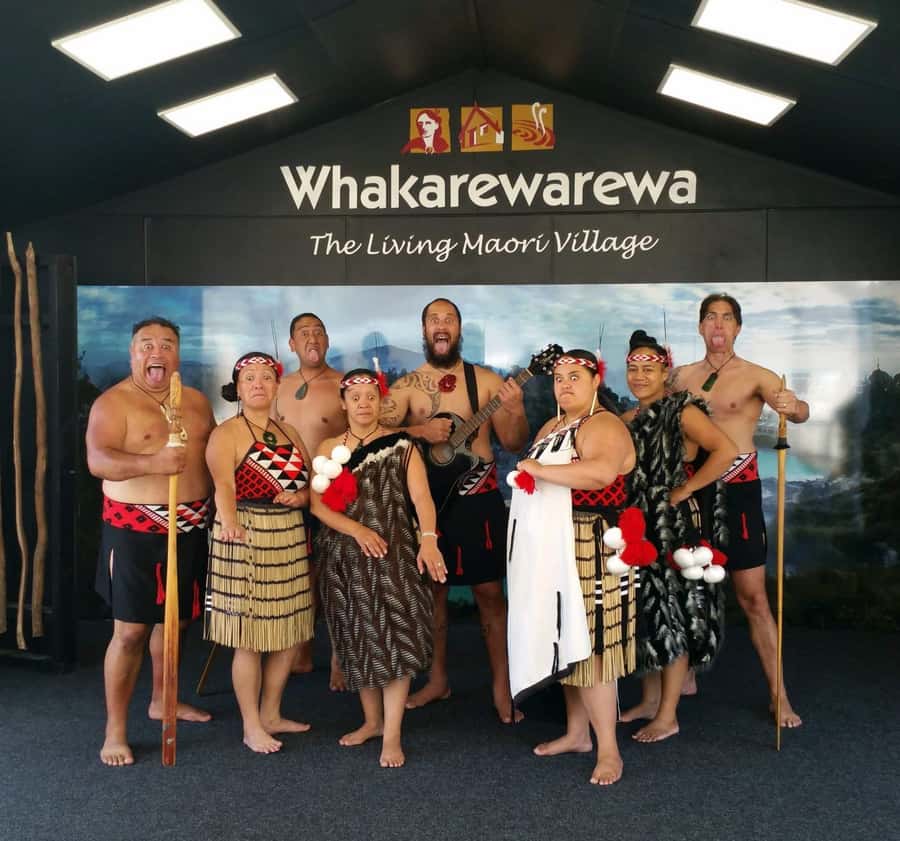
At $224 per person for a 12-hour day, you’re paying for a bundled experience: transportation, guiding, entry tickets, and a full cultural + geothermal program. Included details are solid and specific:
- Entrance ticket to Whakarewarewa Village
- Guided village tour
- Cultural performances, including the haka
- Geothermal Trail ticket
- Traditional hāngī meal cooked with natural steam, plus dessert
- Round-trip bus transportation, with hotel pickup/drop-off
- An English live guide
- Skip the ticket line
Not included: food and drinks. That’s the main “watch this” item. The included lunch is part of the experience, but you may want to budget for bottled water or extra snacks depending on your appetite and how weather affects meal timing.
Is it good value? If you want everything organized in one day—door-to-door pickup, guide-led explanations, and built-in entry tickets—this looks like a clean deal. If you’d rather spend less and go at your own pace, you’d likely compare a self-guided Rotorua plan. But for a first Rotorua visit from Auckland with limited time, this package is designed for efficiency.
Who this tour suits best (and who should rethink it)
This tour fits best if you want three things in one day: a guided Māori village experience at Whakarewarewa, geothermal trail walking time, and a cultural performance including the haka, plus a steam-cooked hāngī lunch.
It also makes sense if you like the structure of a guided day. In accounts of the day, guides like Jason were described as checking in often and pacing the experience well, even with an older traveller. That kind of group care matters when you’re away from home for a full day.
If you strongly dislike long drives or you want more independent exploration time in Rotorua, the 12-hour schedule may feel like too much. In that case, you might prefer a shorter Rotorua-only plan.
Should you book the Auckland to Rotorua Whakarewarewa haka and hāngī tour?
I’d book this if you want a Rotorua day that blends culture and geothermal sights with real guidance and included entry. The star attractions are clear: Whakarewarewa’s living village tour, the haka and cultural performances, and the Geothermal Trail time, all topped off with an included hāngī lunch.
I’d think twice if your top priority is being in Rotorua without bus time, or if you’re very sensitive to meals that might not arrive hot on a wet day. The lunch is included, but one note about cold food is enough to plan with a backup mindset.
If you’re open to a full, scheduled day—and you want an authentic Māori village experience paired with Rotorua’s geothermal wonders—this tour is a practical choice.
FAQ
How long is the Auckland to Rotorua tour?
It runs for 12 hours.
Where is the experience based?
The Māori village portion is at Whakarewarewa in Rotorua, on New Zealand’s North Island.
What’s included in the ticket price?
You get the Whakarewarewa entrance ticket, a guided village tour, cultural performances including a haka, a Geothermal Trail ticket, a traditional hāngī lunch with dessert, round-trip bus transportation, hotel pickup and drop-off, and an English live guide.
Are food and drinks included?
Food and drinks are not included beyond the included hāngī meal (with dessert). You should expect to purchase anything else you want.
Is the tour guide available in English?
Yes, the live tour guide is English.
Do I need to buy separate tickets for the village and geothermal trail?
No. The entrance ticket to Whakarewarewa and the ticket for the Geothermal Trail are included.
How does pickup from Auckland hotels work?
Pickups are offered from selected hotels, and pickup starts up to 20 minutes before departure. The guide may arrive within a 10-minute window, so being outside 5–10 minutes early helps.
Is free cancellation available?
Yes. You can cancel up to 24 hours in advance for a full refund. Reserve now & pay later is also offered.