REVIEW · AUCKLAND
Auckland (Tawharanui): Wild Kiwi Bird Spotting Encounter
Book on GetYourGuide →Operated by Social Nature Movement · Bookable on GetYourGuide
You come for kiwis, you stay for the sky. This Tāwharanui Regional Park night walk pairs North Island brown kiwi spotting with low-light stargazing that feels like science class for your senses. Two big things I like: you get expert help finding birds that don’t exactly advertise themselves, and you get a dark-sky coastal view right after the forest quiets down. One thing to plan for: spotting kiwi takes time, so you need patience and you may not see the full number of birds some nights.
What makes this experience work is the mood. It’s slow. It’s respectful. You’re in a protected sanctuary where the night isn’t treated like a show. Guides I’ve seen mentioned by name—Chris, Millie, Legend, Lucas, Sean, Ryan—are repeatedly described as getting the pace right: quiet walks, smart scanning, and enough flexibility to adapt to conditions.
In This Review
- Key highlights that actually matter
- Why Tawharanui at night is such a good match for kiwi and stars
- Meeting near Takatu Road: start simple, start calm
- The kiwi-spotting part: listening for calls, reading tiny signs
- Stargazing after the bush: planets, constellations, and a telescope
- Where the shoreline fits in: the chance of bioluminescence
- Glamping option: turning the night into a real stay
- Price and value: is $89 per person fair for kiwi plus stars?
- Who should book this kiwi and stargazing night
- Practical tips so your night goes smoothly
- Should you book the Tawharanui Wild Kiwi Bird Spotting Encounter?
- FAQ
- How long is the Auckland (Tawharanui) wild kiwi spotting experience?
- How much does it cost per person?
- Where do I meet the guide for the tour?
- Will I definitely see a North Island brown kiwi?
- What should I bring with me?
- What’s included, and is stargazing part of the experience?
Key highlights that actually matter
- North Island brown kiwi in their natural habitat, tracked by call and movement
- Dark-sky viewing from a coastal reserve with low light pollution
- A guide-led walk that teaches you how kiwi live, not just what they look like
- Shared gear such as stargazing and kiwi-spotting equipment (not just a flashlight and hope)
- The possibility of bioluminescence along the shoreline on the right night
- Small groups or private options, so the experience doesn’t feel rushed
Why Tawharanui at night is such a good match for kiwi and stars
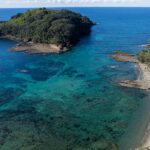
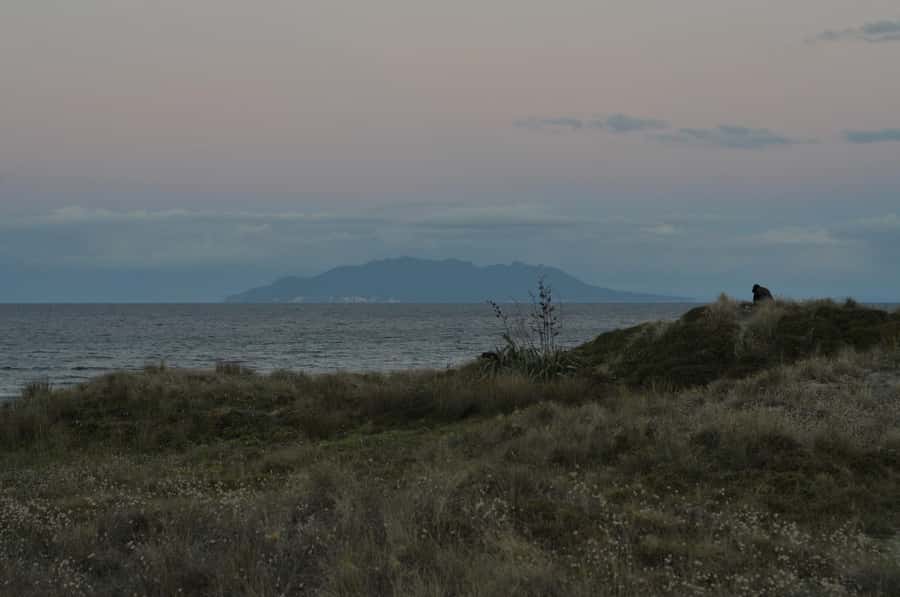
Tāwharanui Regional Park sits close to Auckland, but at night it feels far from the city. That’s the sweet spot for this kind of wildlife-and-sky tour. The park is managed as a conservation sanctuary, and a key part of the pitch is the low light pollution—which matters because kiwi watching is all about darkness, and stargazing is all about what the stars can actually do.
This combination is also practical. If you’ve ever tried to spot nocturnal wildlife on your own, you know how hard it is to tell what’s real versus what your brain fills in when you’re tired. Here, the tour is structured around listening, walking slowly, and using tools that help you see what you’re otherwise likely to miss.
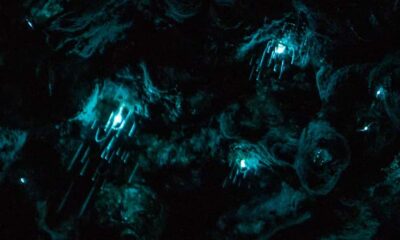
And the coastline detail isn’t just a nice backdrop. On some nights, when conditions line up, you might see soft electric-blue glow from bioluminescence in the shallows or along the shore. It’s not guaranteed, but it adds a second layer to the “night shift” theme.
You can also read our reviews of more tours and experiences in Auckland.

Meeting near Takatu Road: start simple, start calm
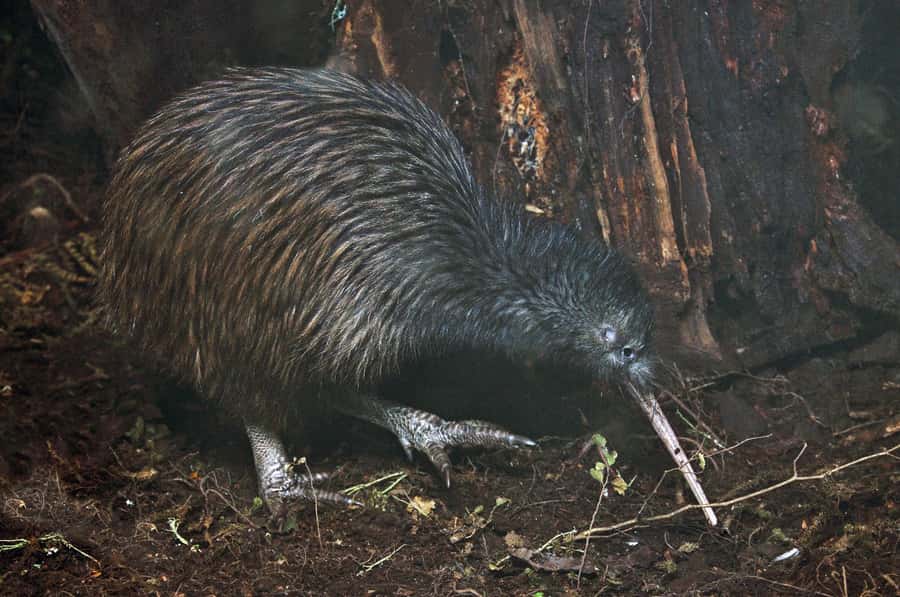
Your evening begins near the public bathrooms at the end of Takatu Road in Tawharanui. That’s a low-drama meeting point—no confusing downtown rendezvous, and you’re already close to the park once everyone gathers.
Before you head out, you’ll get a relaxed but informative intro from your guide. This matters because kiwi spotting isn’t about speed. It’s about behavior: how kiwi move, how calls carry in a bush environment, and what signs you should look for. A good briefing also sets expectations for the night ahead, including the reality that every walk depends on weather and wildlife activity.
The “start calm” approach shows up in reviews too. People mention guides keeping things casual and light-hearted while still staying serious about safety and respectful wildlife viewing. That balance helps you enjoy the waiting part, not just endure it.
The kiwi-spotting part: listening for calls, reading tiny signs
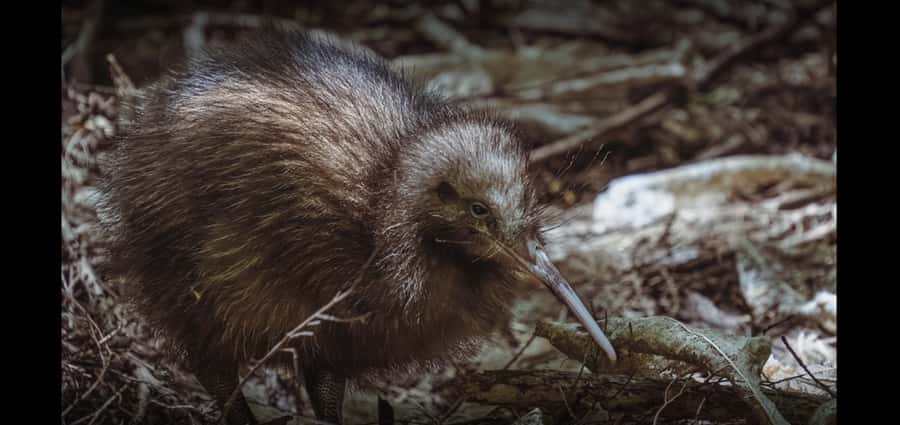
Once it gets dark enough, you move slowly and deliberately through native bush and open habitat. This is where you really feel the value of a guide. North Island brown kiwi are famous, but they’re also famously hard to spot. They’re flightless, they don’t hang out like cartoon mascots, and they can stay out of sight while still being active nearby.
Here’s what you’ll be doing in practice:
- Listening for calls and letting sound guide where you stop and look
- Watching for movement in the dark edges of the path and ground cover
- Learning what counts as signs of kiwi activity, not just random noise
Your guide also explains kiwi behavior and habitat needs, including threats and why conservation work matters. That context turns your chance sighting into something more meaningful. You’re not just checking a box; you’re learning how this ecosystem survives and what puts it at risk.
Equipment can help here. Stated as part of the experience, you’ll have kiwi-spotting equipment plus stargazing gear. Reviews also mention things like headlamps/torches being provided, and on at least some nights, additional tools such as a thermal apparatus. Even without perfect tech, the real advantage is that the guide knows where to spend time and how to read the environment.
One honest drawback to keep in mind: kiwi spotting takes patience. Some nights are slow. One review notes the group started by searching and feeling like the kiwi were avoiding them, before the birds finally turned up. If you’re the type who hates waiting in the dark, this might test you. If you like nature’s slower pace, you’ll likely find it strangely calming.
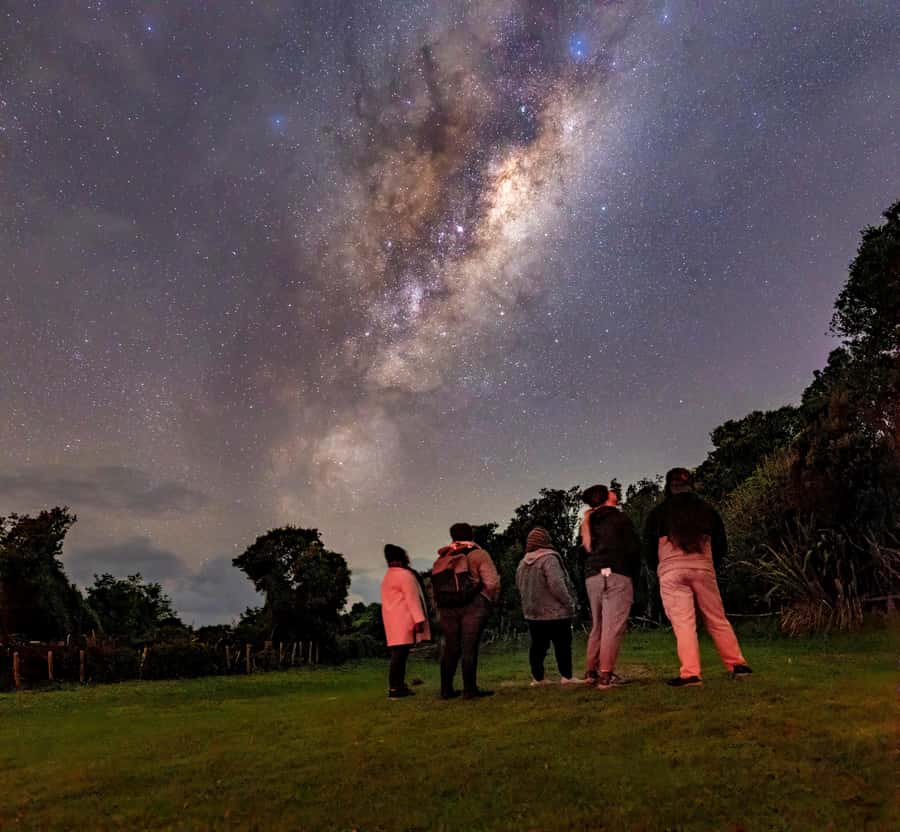
Stargazing after the bush: planets, constellations, and a telescope
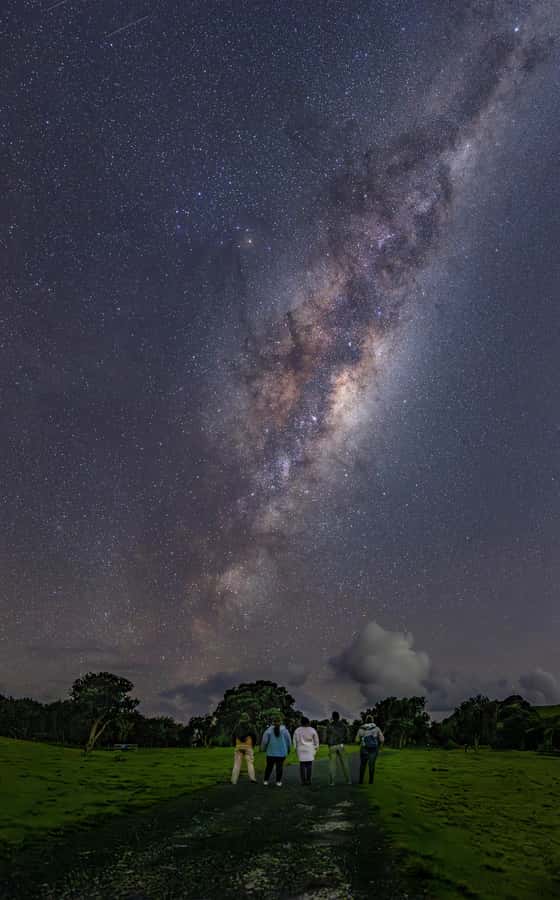
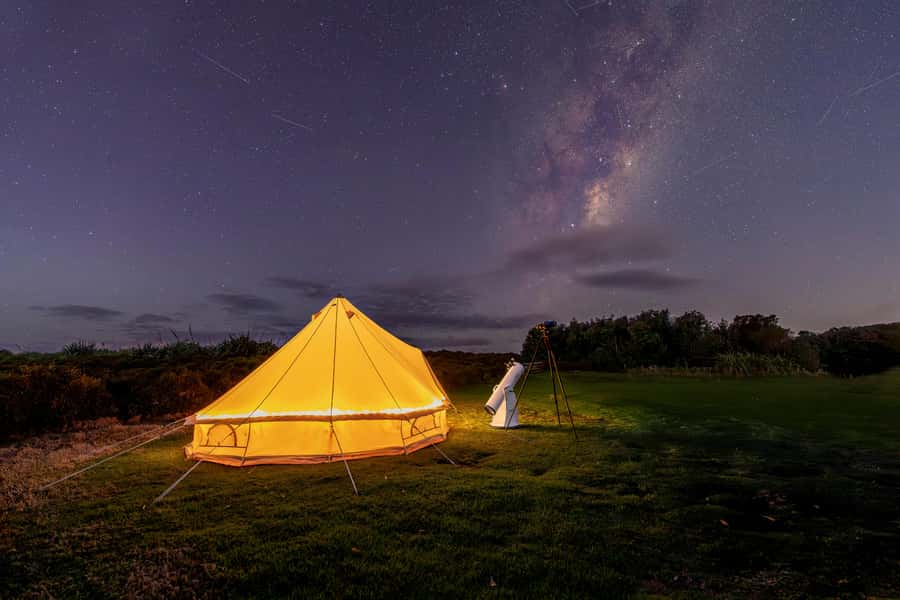
When the forest part finishes, the tour shifts to the sky. Tawharanui is positioned for dark-sky coastal stargazing, so you can look up and actually see dense star fields rather than a washed-out city glow.
What you can expect is guided stargazing focused on:
- Stars and constellations
- Visible planets on the right night
- Seasonal Southern Hemisphere features interpreted by your guide
Some guides bring a telescope and help you look closer at what’s out there. Reviews mention telescope moments such as views of lunar detail, plus binocular use during stargazing.
Weather can change the sky game. One account says stargazing was skipped because it was cloudy, with the night focused entirely on kiwi spotting instead. That’s not a failure; it’s how a good tour responds to reality. The key is you still get a full kiwi-focused experience even when the clouds roll in.
If you enjoy the cultural layer, you might also get Māori stories tied to the sky. Multiple reviews reference learning Māori folklore and astrology using the constellations as prompts, which adds a memorable human angle to the astronomy.
Where the shoreline fits in: the chance of bioluminescence
This experience may include a shoreline element when conditions are right. The idea is simple and cool: gentle movement in the sand or water can trigger a soft electric-blue glow. That’s bioluminescence, caused by microscopic organisms, and your guide will explain what you’re seeing when it happens.
Do not count on it. It’s described as possible, not guaranteed. But if you do catch it, it fits perfectly with the “night alive” theme—first the hidden bird, then the hidden light.

Glamping option: turning the night into a real stay
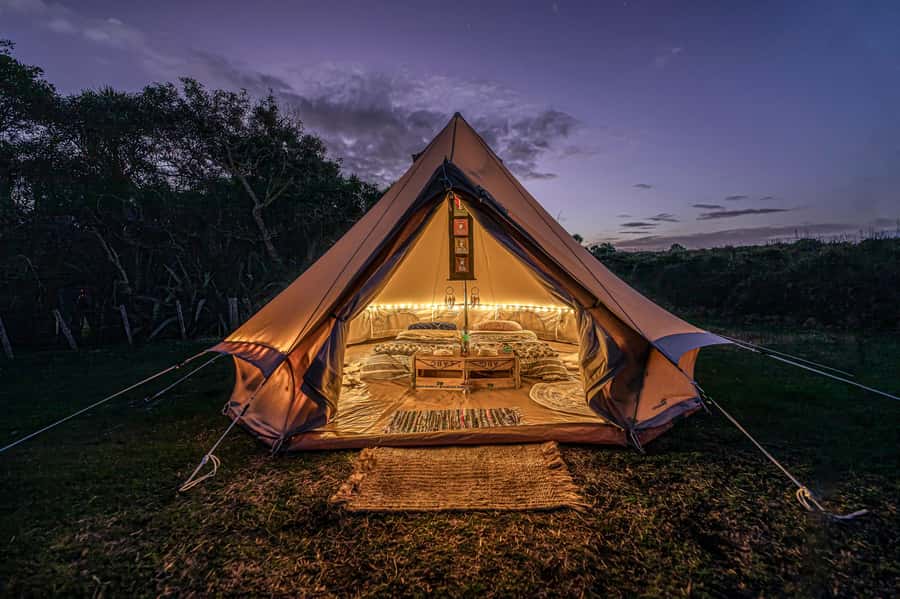
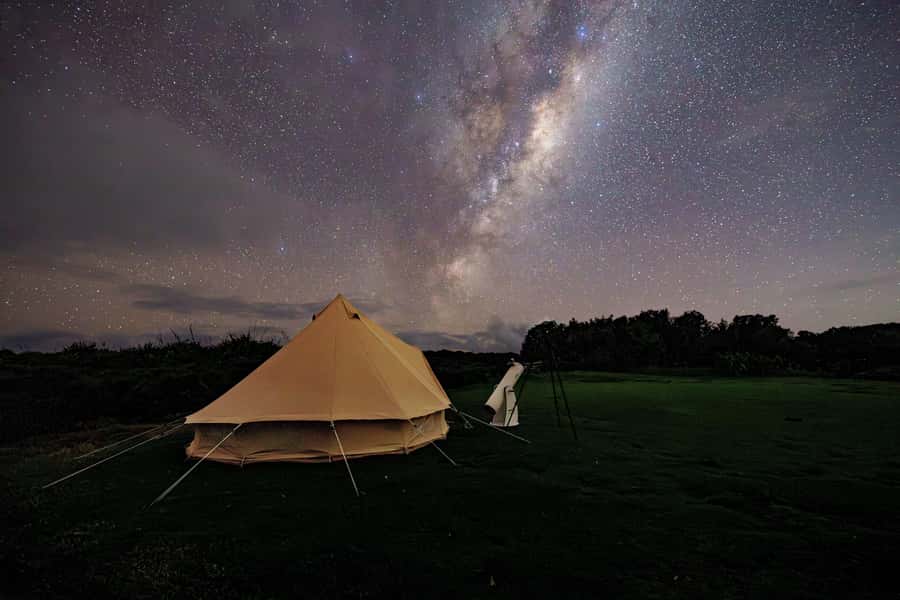
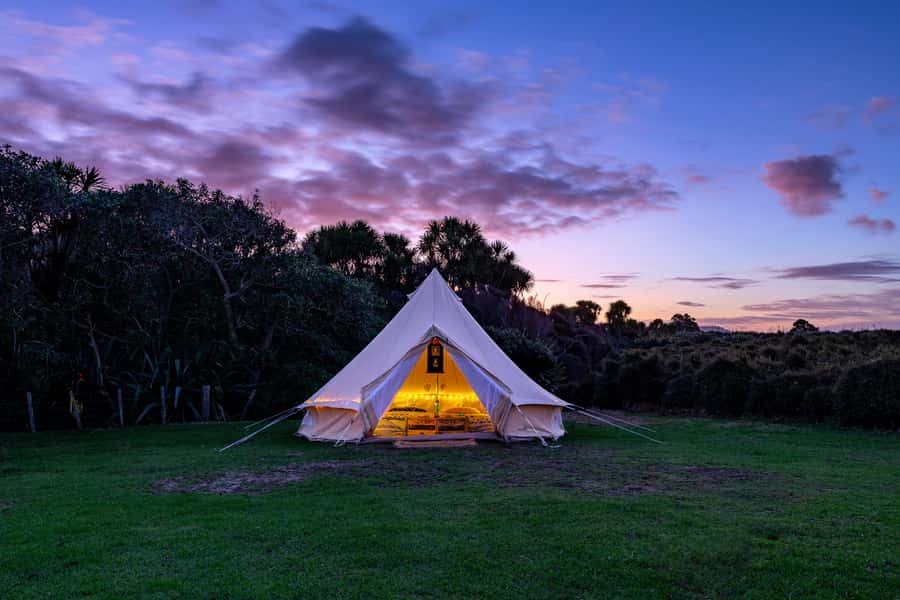
Some versions of this experience include an overnight glamping stay if you select that option. That’s not the same as booking a full campsite adventure; it’s more “night experience comfort.” One review mentions that the tent was set up in advance and was well equipped with items like blankets and foam mattresses, plus small snacks and other basics.
This option is for you if:
- You want more time in the dark without rushing back too early
- You like the idea of waking up near the same protected area
- You don’t want the entire experience to hinge on one short window
There’s also an energy benefit. When your brain isn’t fighting “one last stop, then go,” you tend to notice more—both in the forest and in the sky.
Price and value: is $89 per person fair for kiwi plus stars?
At $89 per person for about 2 hours, you’re paying for three things that matter in practice: a dedicated guide, protected habitat access time during peak “listen-and-look” hours, and equipment that boosts your odds of seeing something real.
The value improves if you compare the alternatives:
- Trying to find kiwi on your own usually means more time wandering, more gear confusion, and less understanding of what you’re observing.
- Buying sky gear or arranging a proper stargazing session can add up fast, especially if you want guided interpretation.
This tour bundles the two experiences—kiwi spotting and star viewing—so your evening has a clear payoff arc. Even when you don’t see the maximum number of birds in a given group, you still get education about kiwi behavior and why conservation work is ongoing.
Transport is another factor. The base experience lists transport as add-on at checkout. Reviews mention pick-ups from Auckland and report a late return around 2AM when they used transport. If you’re staying in the city and you don’t want to drive after dark, adding transport can be the difference between a smooth night and a stressful one.
Who should book this kiwi and stargazing night
This is best for people who like quiet adventure, not theme-park tempo. You’ll probably enjoy it if you:
- Want a hands-on look at North Island brown kiwi in a protected sanctuary
- Like learning why wildlife behaves the way it does
- Enjoy astronomy basics, especially guided stargazing with a telescope
It can also work for families. One review specifically calls out a 9-year-old who loved seeing kiwi in the wilderness. And another notes a group that included seniors and mixed ages, all enjoying the experience and learning together.
If you’re elderly, new to hiking, or simply dislike cold nights, plan your clothing carefully and take the walking pace seriously. The tour is slow and guided, but it is still outside after dark.
Practical tips so your night goes smoothly
A few things will help you get the most out of Tawharanui after sunset:
- Wear warm clothing and bring layers. It can get cold once the temperature drops and you’re standing still waiting for calls.
- Bring comfortable shoes for uneven ground in the bush.
- Bring water. A two-hour night walk can still make you thirsty.
- Use what the guide provides (headlamps/torches), and follow their instructions about light discipline around wildlife.
- Accept that kiwi spotting is a chance-based experience. Your goal is to learn and look well, not to force a sighting.
Reviews also suggest that the best nights can include multiple kiwi sightings. Some accounts mention seeing 10, 14, or even 15 kiwis, plus babies and different sized birds. Those numbers are not something you can demand. But they show why people keep booking this when they’re in Auckland.
Should you book the Tawharanui Wild Kiwi Bird Spotting Encounter?
If you want an Auckland-area night outing that feels genuine—forest first, then sky—and you like guided nature with real purpose, I’d say yes. The guides named in reviews (Chris, Millie, Legend, Lucas, Sean, Ryan) are repeatedly linked with calm pacing, real teaching, and good odds for meaningful sightings.
Book it if you can handle patience and you dress for the cold. Skip it if you need guaranteed wildlife views or you hate waiting in darkness.
If your top goal is just one quick photo of kiwi, you might feel frustrated. If your goal is an evening that teaches you how the night works—and gives you a real shot at seeing a North Island brown kiwi—this is the kind of trip that sticks in your memory.
FAQ
How long is the Auckland (Tawharanui) wild kiwi spotting experience?
It runs for about 2 hours.
How much does it cost per person?
The price is listed as $89 per person.
Where do I meet the guide for the tour?
Meet near the public bathrooms at the end of Takatu Road in Tawharanui Regional Park.
Will I definitely see a North Island brown kiwi?
No. Kiwi activity varies by night, and spotting can take patience. The experience is designed to help you look and listen well, but a sighting isn’t guaranteed.
What should I bring with me?
You should bring comfortable shoes, warm clothing, and water.
What’s included, and is stargazing part of the experience?
You’ll have a guide plus kiwi-spotting and stargazing equipment. Stargazing is part of the experience, though conditions like cloud cover can affect what you can see.