REVIEW · AUCKLAND
Auckland: Maritime Museum Entry Ticket
Book on GetYourGuide →Operated by New Zealand Maritime Museum · Bookable on GetYourGuide
Maritime history grabs you fast. The New Zealand Maritime Museum at Auckland’s Viaduct Harbour turns ocean life into clear, well-designed storytelling, from Maori traditions and ocean connection to America’s Cup-style yacht design. It’s a museum you can move through at your own pace while still feeling like you’re seeing the big picture of how the sea shaped New Zealand.
I also like the way the museum mixes personal stories, artifacts, and interactive elements, so it’s not just names and dates. One possible drawback: last entry is at 4:00 PM, and the museum visit is typically best as a 1–3 hour outing rather than a full-day plan.
In This Review
- Key things I’d aim for first
- Getting to the Museum: Viaduct Harbour Check-In
- Tickets and Value: Is $14 Good for a Maritime Museum?
- What You’ll See: Ocean Stories From Migration to Yacht Design
- Maori Traditions and Western Shipping: A Perspective That Helps It All Click
- A Practical 1–3 Hour Plan: How to Keep Your Visit Moving
- What the Location Adds: Viaduct Harbour and a Chance to See Racing
- Best for Who: Families, History Fans, and Design People
- Should You Book This Auckland Maritime Museum Ticket?
- FAQ
- Where do I meet for the Auckland Maritime Museum ticket?
- Do I need to show my voucher?
- How long should I plan for the visit?
- What are the museum opening hours and last entry time?
- What should I bring with me?
- Is the museum wheelchair accessible?
- Are unaccompanied minors allowed?
- Is the museum open every day?
- Does the ticket include food or drinks?
Key things I’d aim for first
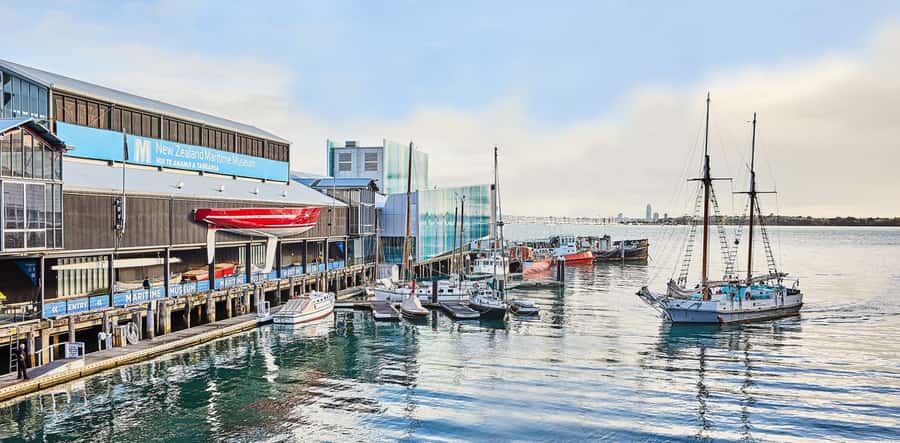
- Viaduct Harbour location: quick access, and the waterfront setting makes the exhibits feel real
- Ocean-linked themes: migration, trade, innovation, leisure, and more in one place
- Maori and Western shipping perspectives that help you understand New Zealand’s maritime viewpoint
- Hands-on, interactive displays that work well for families and curious adults
- Photo-friendly, well-designed galleries that make it easy to keep momentum
Getting to the Museum: Viaduct Harbour Check-In
Your starting point is straightforward: arrive at the New Zealand Maritime Museum at Auckland Viaduct Harbour. You’ll show your voucher at the ticket counter, so don’t leave that step until the last second. The museum runs 10:00 AM to 5:00 PM, with last entry at 4:00 PM.
Because last entry is earlier than closing time, I suggest you plan your visit like a grown-up schedule: arrive earlier than you think you need. If you show up late, you may miss the more hands-on parts that take a bit longer.
Also keep the dates in mind: the museum is open every day except 25 December. That matters if you’re traveling around the holidays and want a reliable “indoor win” day in Auckland.
You can also read our reviews of more tours and experiences in Auckland


Tickets and Value: Is $14 Good for a Maritime Museum?
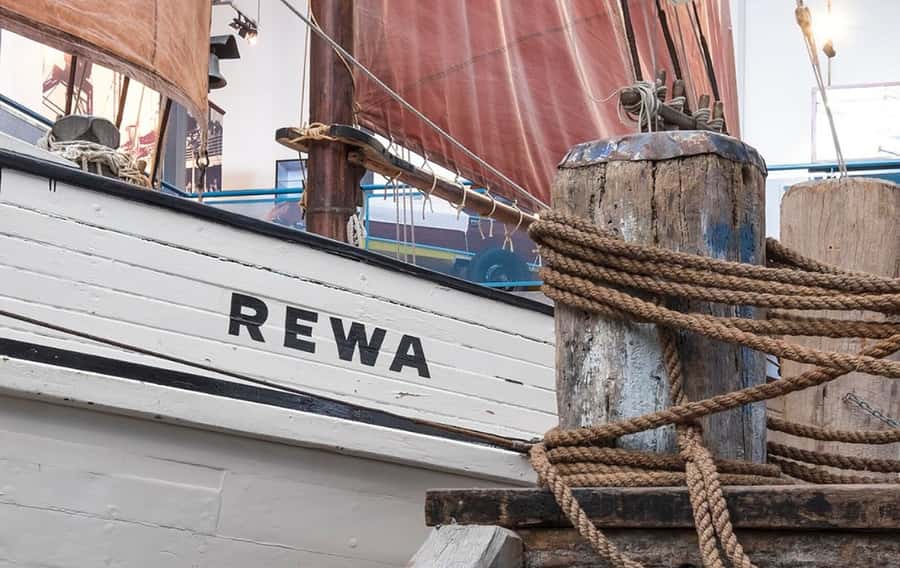
At $14 per person, this is priced like a smart entry ticket, not a premium guided tour. The ticket includes admission only, so you’re paying for access to the museum galleries and collections, not transportation or a meal.
That’s a good fit for travelers who want flexibility. The activity lists a 1-day duration, but the museum experience is recommended for 1–3 hours, which usually works well when you’re also doing outdoor Auckland stuff. If you’re on a tight schedule, this is one of those attractions where you can still get a meaningful visit without burning your whole day.
A practical note: the museum doesn’t include food and drinks. If you want a meal nearby, you’ll need to budget separately. I’d treat this like a museum block, then tack on a waterfront snack or a nearby café plan after.
If you’re traveling with students, bring your student card, since it’s specifically mentioned for what to bring. And yes, you should bring your passport or ID card—the museum asks for identification.
What You’ll See: Ocean Stories From Migration to Yacht Design

The museum’s main promise is to show how the ocean shaped New Zealand through multiple lenses. You’re not just looking at boats. You’re following stories about Pacific migrations, trade, innovation, leisure, and the people behind all of it.
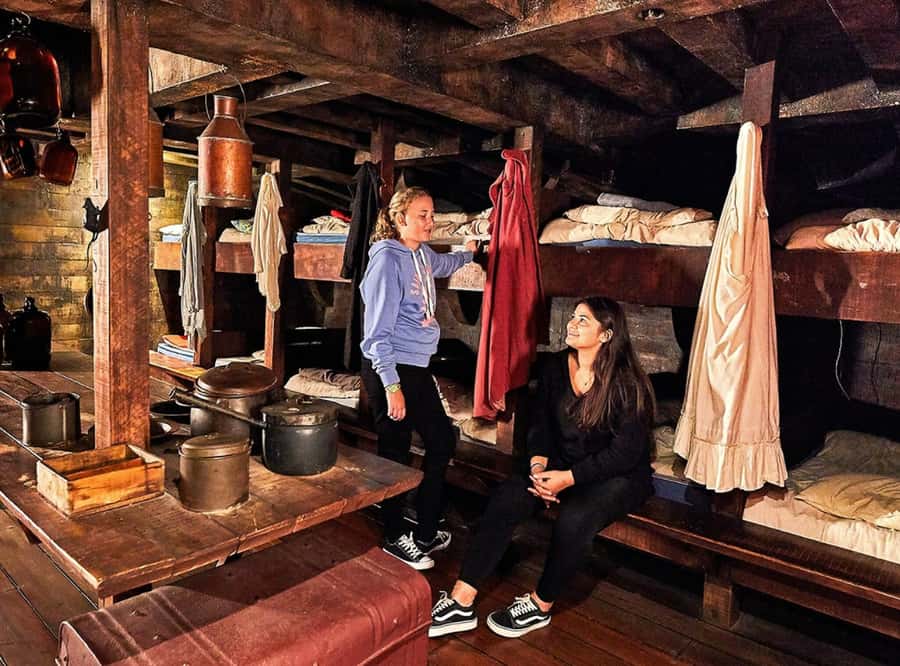
Expect a mix of formats: immersive galleries, hands-on displays, and special exhibitions. That variety matters because different sections will hold your attention for different reasons. If you like design, you’ll likely enjoy how the museum connects maritime life to engineering and modern innovation, including references like yacht design connected to the America’s Cup.
If you’re more into human history, the museum’s emphasis on personal stories and artifacts is the draw. When you see objects with context—who used them, why they mattered—the ocean stops being an abstract idea. It becomes a lived experience.
You’ll also want to know there’s a major heritage collection here, described as one of the country’s most important. In practical terms, that usually means you’ll have both well-known themes and deeper material you can spend time with if you enjoy museums that reward slower browsing.
Maori Traditions and Western Shipping: A Perspective That Helps It All Click
One of the museum’s strengths is how it frames New Zealand’s maritime story from more than one angle. The museum experience is positioned to include perspective on Maori traditions as well as Western shipping. That combination is helpful because it gives you a fuller picture of what “maritime heritage” means on these shores.
When you’re walking through, try to look for the connections rather than treating each display like a standalone fact. For example, the museum’s overall focus on immigration and migration aligns naturally with the idea of movement by sea, while the shipping and trade angle ties movement to economics and daily life.
This is also where the museum’s interactive pieces can help. Hands-on displays tend to make it easier to grasp cultural or historical ideas without needing a long lecture. You’re still learning, but you’re also building understanding through engagement.
If you’re traveling with kids, this dual perspective tends to work because there’s usually something to talk about: the ocean as a route, the ocean as a workplace, and the ocean as part of culture and identity.
A Practical 1–3 Hour Plan: How to Keep Your Visit Moving
This ticket gives you entry, not a timed itinerary, so you’re in charge of pacing. Still, a little structure helps you avoid the classic museum problem: seeing everything slightly, or seeing nothing in detail.
Here’s a simple approach that fits the recommended 1–3 hours:
- First 20–30 minutes: orient yourself. Start with the big thematic areas so later displays make sense.
- Middle chunk: focus on the interactive and hands-on sections. These are usually the time-sinks in a good way.
- Final 15–25 minutes: circle back to the themes you cared about most, then pick a few artifact areas for a deeper look.
Comfort matters because museums require walking. Wear comfortable shoes, and if you’re prone to getting tired on indoor floors, plan to take short breaks rather than powering through.
Bring a camera if you like photos, but also be mindful that museums often mix objects that are easy to photograph with areas where lighting or reflections can be tricky. If photography is important to you, start earlier in the day when you’re fresher and your attention isn’t frayed.
And yes, bring your ID/passport, plus your student card if that applies. The idea is to keep check-in friction low so you can spend your energy on the exhibits.
You can also read our reviews of more museum experiences in Auckland






What the Location Adds: Viaduct Harbour and a Chance to See Racing
The museum sits in an area that feels made for maritime life: Auckland’s Viaduct Harbour. Even if you keep most of your time inside, the setting helps you connect what you’re seeing to what’s happening outside.
There’s a particularly fun bonus if your visit overlaps with sailing events. One verified booking mentioned being there while the ITM New Zealand Sail Grand Prix was underway and finding it exciting, with a great location to watch the race. You can’t count on event timing, but if you’re flexible with dates and you do land during a regatta, this area can add energy to your museum day.
Even without racing, Viaduct Harbour is a decent post-museum option for a walk. Think of it as a way to let the exhibits echo in your head while you’re actually near the water.
Best for Who: Families, History Fans, and Design People
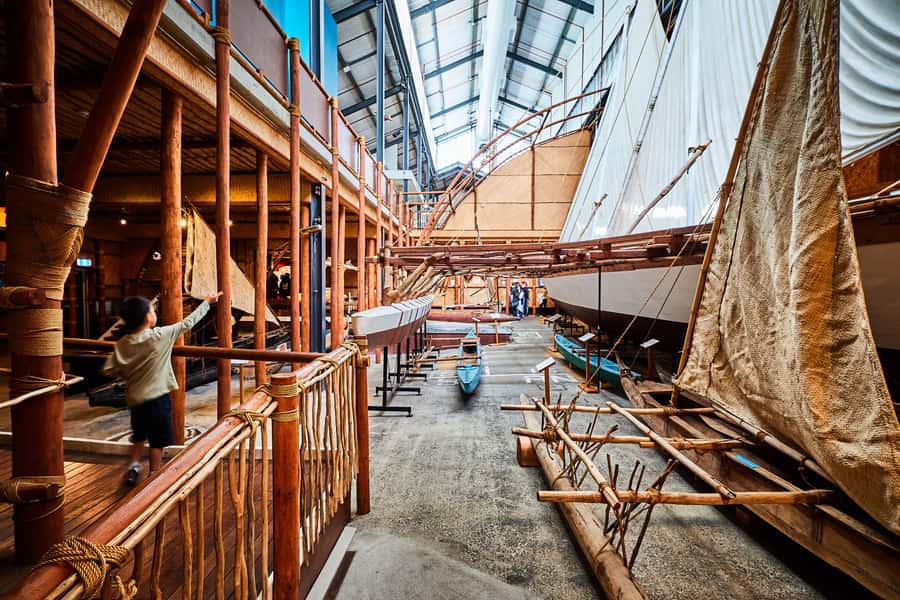
This is the kind of museum that serves multiple styles of interest. The museum description and the overall presentation signal it’s a good match for history buffs, design enthusiasts, and family visits.
If you love design, look for connections between maritime technology and modern performance—especially sections that relate to yacht design and the America’s Cup theme mentioned in the experience description. If you’re more into social history, pay attention to the migration and trade angles, which connect sea routes to real people.
For families, the hands-on elements can make a big difference. The museum experience is described as educational but also interactive, which is often what keeps younger visitors engaged.
Two rules to keep in mind:
- Unaccompanied minors are not allowed.
- All children must be accompanied by a supervising adult at all times.
If you’re traveling solo, this can still work great. You’ll be able to slow down around the parts that interest you most without waiting for a group.
Should You Book This Auckland Maritime Museum Ticket?
If you want a straightforward, good-value museum visit that connects the ocean to New Zealand’s identity, I’d book it. The $14 price feels fair for entry, and the content themes—migration, trade, innovation, and the mix of Maori traditions with Western shipping—create a sense of meaning rather than a pile of objects.
I’d especially choose this if you like museums with a mix of storytelling and hands-on learning, or if you’re the type who enjoys seeing how design and culture connect. The waterfront location at Viaduct Harbour is a bonus, and if you happen to time your trip around major sailing action like the ITM New Zealand Sail Grand Prix, that can make the day even more memorable.
I would skip or rethink it only if you’re looking for a full-day guided tour with lots of scheduled stops. This experience is best as a focused 1–3 hour museum block, with the surrounding area helping round out your day.
FAQ
Where do I meet for the Auckland Maritime Museum ticket?
You should arrive at the New Zealand Maritime Museum at Auckland Viaduct Harbour.
Do I need to show my voucher?
Yes. You must show your voucher at the ticket counter.
How long should I plan for the visit?
A 1–3 hour visit is recommended for the experience.
What are the museum opening hours and last entry time?
The museum is open 10:00 AM–5:00 PM, and the last entry is at 4:00 PM.
What should I bring with me?
Bring passport or ID card, comfortable shoes, a camera, and your student card (if applicable).
Is the museum wheelchair accessible?
Yes, the experience is listed as wheelchair accessible.
Are unaccompanied minors allowed?
No. Unaccompanied minors are not allowed, and children must be with a supervising adult at all times.
Is the museum open every day?
It’s open every day except 25th December.
Does the ticket include food or drinks?
No. The entry ticket includes admission, but food and drinks are not included.