REVIEW · AUCKLAND
Gallery Highlights Tour and General Admission
Book on Viator →Operated by Auckland War Memorial Museum · Bookable on Viator
One flight of stairs away, you get a fast map of Auckland Museum. This small-group Gallery Highlights Tour is a practical way to understand Māori culture and Polynesian navigation, plus the natural history and geology of Auckland and Aotearoa New Zealand. I also like how the guide can answer your questions along the way, and how the tour spreads across three floors so you don’t leave feeling like you only saw one section.
The one caution: the Te Marae Ātea Māori Court & Pacific Galleries are temporarily closed for essential maintenance, so you’ll want to expect a slightly different emphasis than a full, uninterrupted museum visit. If those areas are your top priority, check what else is open during your dates.
In This Review
- Quick hits (what you’ll notice right away)
- A good first stop in Parnell, not a museum marathon
- How the tour fits your day (and why timing matters)
- What you’ll cover on the guided walk: Māori, navigation, science, and conflict
- Māori culture and Polynesian navigators
- Natural history and geology of Auckland and Aotearoa
- Conflicts that shaped the nation
- Stop 1: Auckland Museum highlights (the guided hour)
- A tour can change how you read the exhibits
- Example of why the guide choice can matter
- Stop 2: Use your general admission after the tour
- Cafes and time to reset
- Māori Cultural Experience and major exhibitions: ticketed extras
- The one big caveat: temporarily closed galleries
- Price and value: where $29-ish makes sense (and when it won’t)
- Group size and pace: comfortable, not chaotic
- The stairs reality (please don’t ignore this)
- What to see on your own after the tour
- Tips to get more from it (without trying too hard)
- Should you book this Auckland Museum tour?
- FAQ
- FAQ
- How long is the Gallery Highlights Tour?
- Does this include general admission to Auckland Museum?
- Where do I meet for the tour?
- Is there a limit on group size?
- Are any galleries closed right now?
- Is the tour suitable if I have mobility concerns?
- Do I need extra tickets for special exhibitions or performances?
- What happens if the experience is canceled due to weather?
- What’s the cancellation window for a full refund?
Quick hits (what you’ll notice right away)
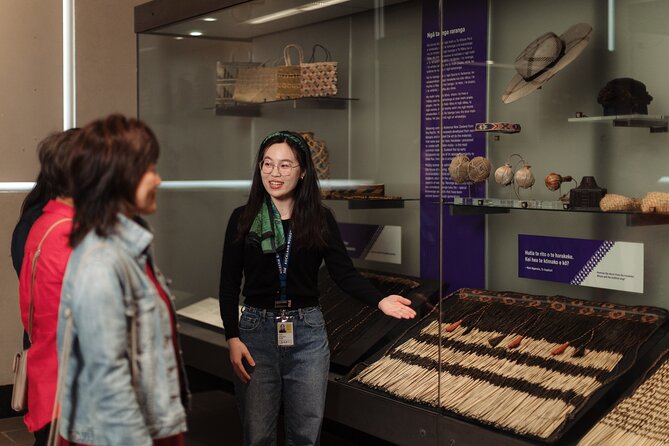
- Small groups (max 10): easier Q&A and less rushing through rooms.
- A true “highlights” flow: Māori culture, Polynesian navigators, natural history, geology, and key conflicts.
- Stairs are part of the plan: plan for at least one flight up, and expect walking.
- You get general admission too: after the guided hour, you can keep exploring with your ticket.
- Some galleries are temporarily closed: Te Marae Ātea Māori Court & Pacific Galleries are not currently available.
A good first stop in Parnell, not a museum marathon
Auckland Museum sits in Parnell, and it’s the kind of place where a guide can save you time. Without a route, big museums can feel like you’re wandering for hours, hoping you stumble into the right exhibits. This tour is built to help you get your bearings fast.
I like that the experience is structured around a focused “highlights” walk, then gives you room to browse on your own. The guide covers select galleries across all three floors, so you get an overview of how the museum tells New Zealand’s story: culture, science, and conflict history in one visit. It’s also nice that the tour is short enough to fit into a busy Auckland day—think around an hour guided, with additional time afterward if you want it.
One more practical note: the museum experience here includes general admission, so you’re not just paying for a walk-and-leave tour. You’ll have ticket access to keep going after the guided portion.
You can also read our reviews of more museum experiences in Auckland

How the tour fits your day (and why timing matters)
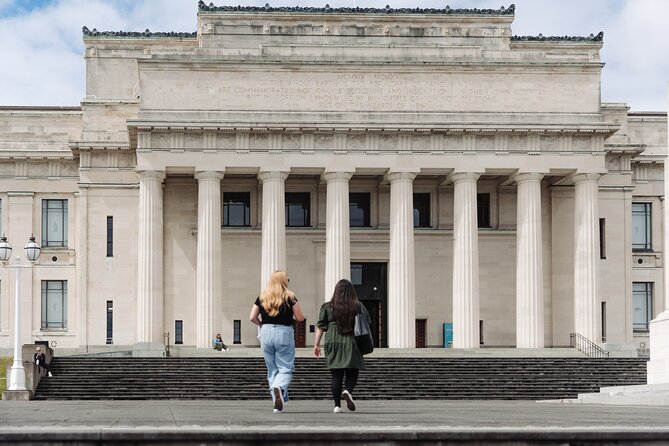
The guided part is designed to run for about an hour, and you’re not stuck there until closing time. The full experience is listed as roughly 1 to 4 hours, which usually matches a common rhythm: guided highlights first, then self-guided browsing at your own pace.
Here’s why that matters for value. If you’re only interested in the big story beats—Māori culture, Polynesian navigation, natural history and geology, and major conflicts—this tour gives you a strong mental framework. Then, when you return to the museum galleries on your own, you’ll know what you’re looking at. You won’t just see objects; you’ll recognize themes.
If you’re the type who wants to read everything slowly, you may stretch the visit closer to the longer end of that time window. Either way, having general admission built in means your extra time isn’t wasted.
What you’ll cover on the guided walk: Māori, navigation, science, and conflict

The Gallery Highlights Tour is built around a simple promise: you’ll walk through key galleries that explain New Zealand’s past and present. The emphasis is not just on culture in isolation. It connects culture with place—Auckland and the wider Aotearoa—and with the bigger historical moments that shaped the nation.
Māori culture and Polynesian navigators
The tour’s first main thread is Māori culture and the achievements of Polynesian navigators. That pairing is helpful because it frames navigation as more than a travel story. It connects knowledge, voyaging, and survival to the way communities formed and moved across the Pacific.
If you’re new to New Zealand history, this is the right starting point. You’ll come away with clearer context for what you’ll see later in other rooms—especially the cultural collections and carved works.
Natural history and geology of Auckland and Aotearoa
The second thread is natural history and geology. For many first-time visitors, this is what makes the museum feel distinctly local. You’re not just learning about people; you’re also learning about the land itself—how Auckland and Aotearoa fit into the story.
It’s also a good contrast to the cultural galleries. If you tend to get mentally overloaded by “just history,” the science-focused sections give your brain a breather while still staying connected to place.





Conflicts that shaped the nation
The tour also points you toward galleries that look at conflicts that have shaped the country. That matters because many museums separate “culture” and “war history” into totally different experiences. Here, the tour helps you treat them as part of the same national story—often with a thoughtful, educational tone.
Stop 1: Auckland Museum highlights (the guided hour)

Your tour begins at the Auckland War Memorial Museum in Parnell. The guided portion is about an hour, and it’s structured to give you a coherent path through the museum.
During this first part, the guide takes you through select galleries on all three floors. You’ll focus on Māori culture, Polynesian navigation, natural history and geology, and key conflicts. The point isn’t to “see everything.” It’s to leave with a mental map and a sense of what matters most in the museum’s storytelling.
A tour can change how you read the exhibits
One of the strongest themes from the feedback I saw is that the museum experience gets much better with a knowledgeable guide who can explain what you’re looking at. Even if you’re the kind of person who likes to read placards, you’ll likely appreciate having someone point out what to pay attention to.
I also like that the guide is happy to answer questions as you go. That’s one of those small details that can turn a normal museum visit into something more personal—especially when you’re trying to understand cultural objects respectfully.
Example of why the guide choice can matter
A long-time volunteer named Maureen was specifically mentioned as giving an especially informative walkthrough across floors. If you get a guide with that kind of depth (and confidence in the collections), you’ll likely feel like you’re being helped, not just moved along.
Stop 2: Use your general admission after the tour
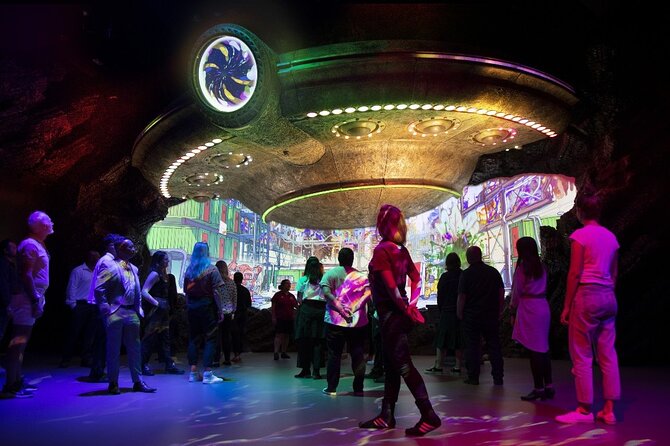
After the guided hour, you’re not done. The ticket includes general admission, so you can explore the rest of the museum at your leisure.
This is where you can steer the visit based on what you cared about most on the tour. If the cultural side hooked you, spend extra time with the carvings and historical displays. If you found the science sections more interesting, you’ll probably enjoy leaning into natural history exhibits and geology-related rooms.
Cafes and time to reset
The museum has two cafes, so you can plan a break without having to leave the building. That’s a real advantage if you’re visiting with kids, if you’re on a tight schedule, or if you’re the type who needs food breaks to keep your attention from sliding.
Māori Cultural Experience and major exhibitions: ticketed extras
The museum may offer additional experiences like a Māori Cultural Experience or major exhibitions. The key point for planning is that these options are not included in this tour ticket. You may need extra tickets.
So if you’re thinking about adding a performance or a special exhibit, I’d treat this guided highlights tour as your foundation, then plan separate time and tickets for anything that’s extra-charge.
The one big caveat: temporarily closed galleries

The Te Marae Ātea Māori Court & Pacific Galleries are temporarily closed due to essential maintenance.
This matters because it changes what “highlights” looks like in practice. Even though the tour still focuses on Māori culture and navigators, the closure means you may not see certain Pacific-facing spaces you were expecting.
If Pacific galleries are a must for you, double-check what’s open during your visit date and consider whether you want to pair this with another museum experience. The guided hour is still useful as an orientation, but it may not satisfy every niche interest.
Price and value: where $29-ish makes sense (and when it won’t)
The tour price is listed as $29.17 per person, and it’s typically booked about 79 days in advance on average.
At this price, the math works best if you:
- want a guided overview rather than spending your whole day wandering,
- appreciate context for exhibits you’d otherwise skim,
- like the idea of leaving with a map and going back for deeper browsing.
Why the price can feel fair: you’re not just buying commentary. You get general admission plus the Gallery Highlights Tour ticket. For a museum visit, that combination usually reduces the risk of feeling like you paid for something you would have done on your own.
Why it can feel expensive: Auckland Museum isn’t a small museum, and it can be easy to compare it to free options at home or free entry for locals. One note I saw clearly points to pricing feeling steep for visitors, especially if you don’t plan to add any special exhibitions. If you’re the kind of visitor who expects lots of included content beyond the permanent collections, you might feel disappointed.
My balanced advice: treat this as an efficient orientation tool. If you like museums in layers—highlights first, then targeted self-guided time—you’ll likely feel the value.
Group size and pace: comfortable, not chaotic
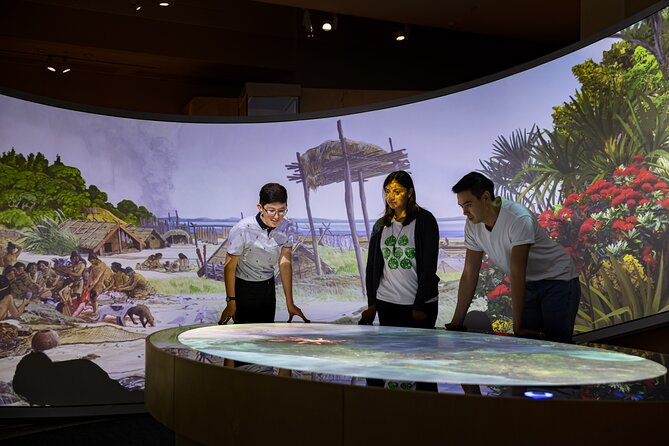
This experience runs with a maximum of 10 travelers. That small cap changes the vibe. You’re less likely to feel like you’re in a herd, and you’ll have a better chance of asking questions without feeling rushed.
The pace is also suited to a first-time visit. The tour is short enough to keep energy high, but long enough for the guide to explain how the galleries connect. If you’re traveling with people who hate “long tours,” this is a good middle ground.
The stairs reality (please don’t ignore this)
The tour requires visitors to walk up a flight of stairs, so it’s not suitable for visitors with additional mobility considerations.
Plan accordingly. If stairs are a deal-breaker, you’ll want to look for an alternative that matches your needs. Even for able walkers, comfy shoes matter here.
What to see on your own after the tour
Your best strategy is to follow your curiosity—now that you’ve got context. The guided hour will likely help you decide which themes are worth repeating.
A couple of exhibit types were singled out as especially interesting in the museum experience overall:
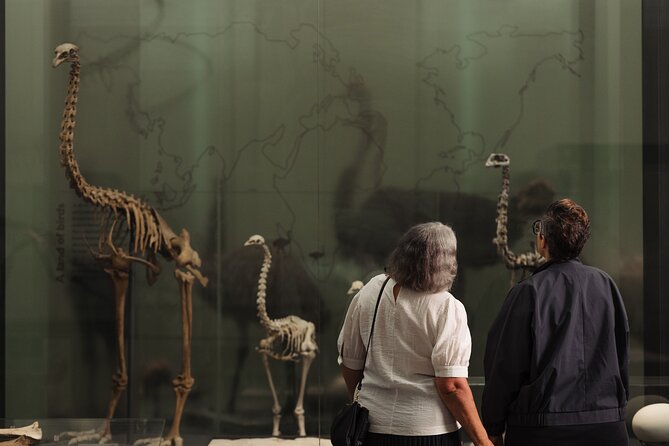
- Moa displays (natural history fans usually latch onto these quickly),
- ANZAC rooms and major war galleries,
- WW1 and WW2 exhibits, which were described as extremely poignant.
Even if you don’t read every label, those kinds of rooms tend to make strong emotional impressions. If that’s your thing, set aside time after the tour so you’re not rushed.
Tips to get more from it (without trying too hard)
- Wear shoes you don’t mind walking in. Stairs are part of the deal.
- Pick one theme to “go deeper” on after the guided hour. Culture, science, or conflict—choose one and spend extra time there.
- If you’re interested in performance or major exhibitions, plan for ticketed extras. Don’t assume everything is included.
- If you see something you don’t understand at first glance, ask the guide while you still have them. That question-and-answer time is the secret sauce.
Should you book this Auckland Museum tour?
You should book it if you want:
- a focused introduction to Māori culture and Polynesian navigation,
- a guided route through natural history, geology, and conflict history,
- a small-group experience that helps you avoid museum aimlessness,
- general admission so you can keep exploring afterward.
Skip it (or at least think twice) if:
- you need an accessible route without stairs,
- Te Marae Ātea Māori Court & Pacific Galleries are the exact reason you’re visiting, since those areas are temporarily closed,
- you’re mainly interested in ticketed special exhibitions and plan to avoid the permanent collections (those extras aren’t included).
FAQ
FAQ
How long is the Gallery Highlights Tour?
The guided experience is about 1 hour, with the overall visit listed as roughly 1 to 4 hours depending on how long you explore afterward.
Does this include general admission to Auckland Museum?
Yes. Your ticket includes general admission plus the Gallery Highlights Tour ticket.
Where do I meet for the tour?
The meeting point is Auckland War Memorial Museum, Parnell, Auckland 1010, New Zealand. The tour ends back at the same meeting point.
Is there a limit on group size?
Yes. The tour has a maximum of 10 travelers.
Are any galleries closed right now?
Yes. Te Marae Ātea Māori Court & Pacific Galleries are temporarily closed due to essential maintenance.
Is the tour suitable if I have mobility concerns?
No. The tour requires visitors to walk up a flight of stairs, so it isn’t suitable for visitors with additional mobility considerations.
Do I need extra tickets for special exhibitions or performances?
Often, yes. Special exhibitions or shows (including major exhibitions or a Māori Cultural Experience, if offered) are not included and may require separate tickets.
What happens if the experience is canceled due to weather?
The experience requires good weather. If it’s canceled due to poor weather, you’ll be offered a different date or a full refund.
What’s the cancellation window for a full refund?
Free cancellation is available. You can cancel up to 24 hours in advance for a full refund, based on the experience’s local time.