REVIEW · AUCKLAND
Māori Cultural Experience & Auckland Museum General Admission
Book on Viator →Operated by Auckland War Memorial Museum · Bookable on Viator
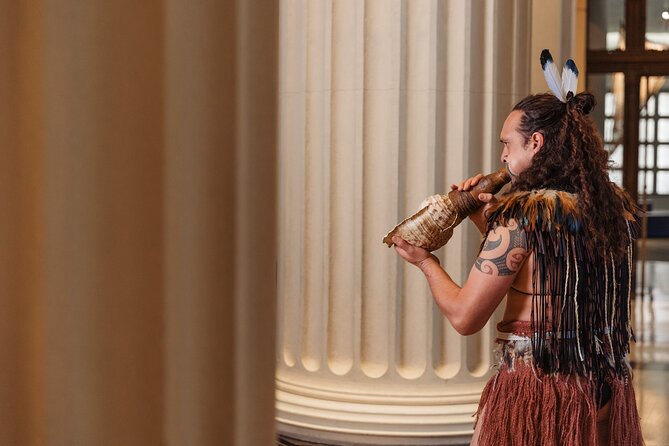
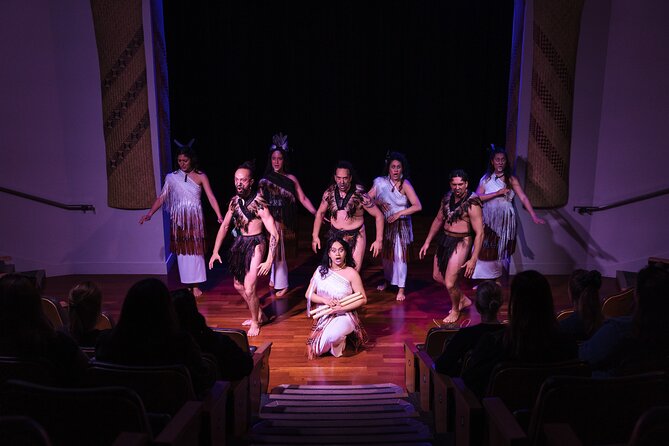
Auckland Museum puts Māori culture front and center. You’ll hear waiata (songs), watch poi skill onstage, and get a clear explanation of the meaning behind the world-famous haka. It’s a strong way to connect the stories you see in the museum with the living traditions of Aotearoa New Zealand.
Two things I especially liked: the tone is respectful and welcoming, and the performance is explained clearly enough that it feels like more than just watching dance. I also liked that you get general admission to Auckland Museum with your ticket, so you can keep exploring right after the show.
One possible drawback to plan for: the cultural program is short, and a few people felt the haka moment didn’t match what they expected or that the show ran shorter than advertised. If your must-see is a longer, full haka with extra translation, treat this as an introduction, not a deep, guided masterclass.
In This Review
- Key takeaways before you go
- Māori Cultural Experience at Auckland Museum: why this works
- Timing and what you should expect from the stage program
- Your museum plan: what’s included with general admission
- Auckland Museum logistics that matter for a smooth day
- Value check: is $38.48 a good deal?
- Who this is best for (and who may want a backup plan)
- The museum day after the show: how to get more from your ticket
- Should you book this Māori Cultural Experience?
- FAQ
- How long is the Māori Cultural Experience?
- What does my ticket include?
- Are special exhibitions included?
- Where do I meet and redeem my ticket?
- Can I cancel and get a refund?
- Are all museum galleries open during the visit?
Key takeaways before you go
- A short, stage-led intro to Māori culture: songs, poi, storytelling, and haka context in one sitting.
- You get museum value too: general admission is included, so you can explore NZ heritage and natural history the same day.
- Haka meaning is part of the message: you should come away understanding origins and intent, not just seeing movement.
- Closed galleries can change your museum day: the Māori Court and Pacific Galleries are temporarily shut for maintenance.
- Expect variability in how much haka you see: some comments say the haka felt abbreviated or absent on the day.
Māori Cultural Experience at Auckland Museum: why this works
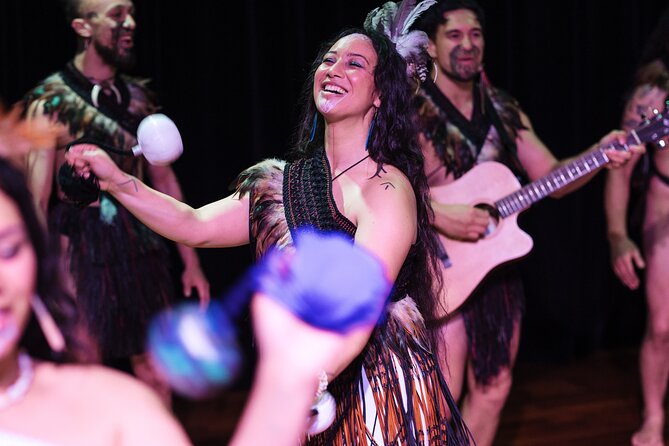
This is one of those tickets that makes your museum day feel personal. Auckland Museum is a big, serious place—natural history, New Zealand heritage, and cultural taonga—but this performance gives you the human layer. You’re not just looking at objects behind glass. You’re hearing and seeing the culture that shaped the stories around them.
What I like about the format is the pairing: performance plus explanation. The program is led by indigenous artists and orators, with traditional elements like waiata and poi woven into the storytelling. And the haka isn’t treated like a stunt. It’s framed as a ritual tied to strength, unity, identity, and traditional meaning.
A bunch of comments point to the emotional impact, too. People describe goosebumps, strong voices, and a moving delivery that lands even if you’re new to Māori culture. That matters, because a short show can easily feel superficial if it’s only performance. Here, the narration helps connect what you’re seeing to why it matters.
You can also read our reviews of more museum experiences in Auckland


Timing and what you should expect from the stage program
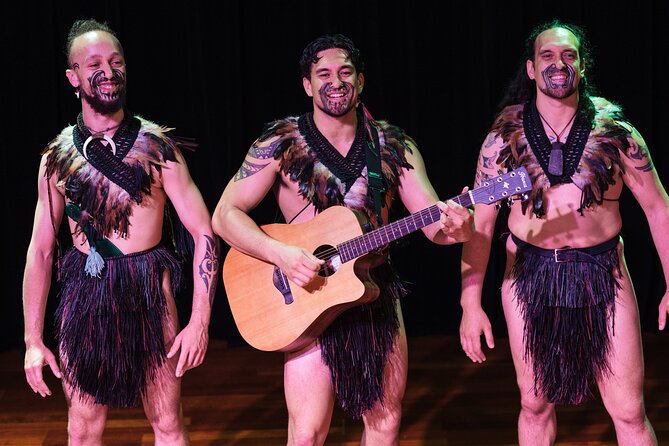
The experience length is listed as 45 minutes to 3 hours, but in practice this kind of museum-stage program often runs on the shorter side. Several comments mention a total runtime around 30 minutes, with some time focused on explanations rather than a long sequence of performance pieces.
Here’s the practical way to think about it: this is designed as an intro, not an extended cultural workshop. If you want a quick, meaningful first look at waiata, poi, and haka context, you’re in the right place. If you’re expecting a long haka segment or lots of extra background, you might leave wanting more.
Another consideration is that not every attendee reported the same thing about the haka portion. A few people said there wasn’t a haka as advertised, or that it was abbreviated. That doesn’t erase the program’s intended focus, but it does mean you should keep expectations flexible and come ready for a short, respectful introduction rather than one specific showpiece lasting a long time.
If you want to maximize what you get out of it, go in with a listening mindset. The performance is built around meaning—origins, traditional uses, and differences—so pay attention to the narration even when the movement is the headline.
Your museum plan: what’s included with general admission
This ticket bundles general admission to Auckland Museum. That’s a big part of the value because you’re not forced to choose between culture onstage and culture in the galleries. With general entry, you can explore natural history, New Zealand heritage, and museum sections tied to taonga.
Plan your time so you don’t feel rushed. The performance happens at Auckland Museum, and your ticket includes admission to continue through the museum after. Even if the stage portion is shorter than you hoped, you still have the museum to fill the rest of the day.
One thing that could affect your route: the Māori Court and Pacific Galleries are temporarily closed for essential maintenance. That means if you were hoping to see those spaces during your visit, you’ll need to adjust. You might still enjoy plenty of other exhibits on New Zealand heritage and taonga, but the museum day may feel slightly less “Māori-focused” than you imagined.
Also note what’s not included: special exhibitions that require separate tickets. General admission covers the core museum experience, but ticketed exhibits are extra. If there’s a particular special exhibit you care about, check before you go so you’re not surprised at the door.
Auckland Museum logistics that matter for a smooth day

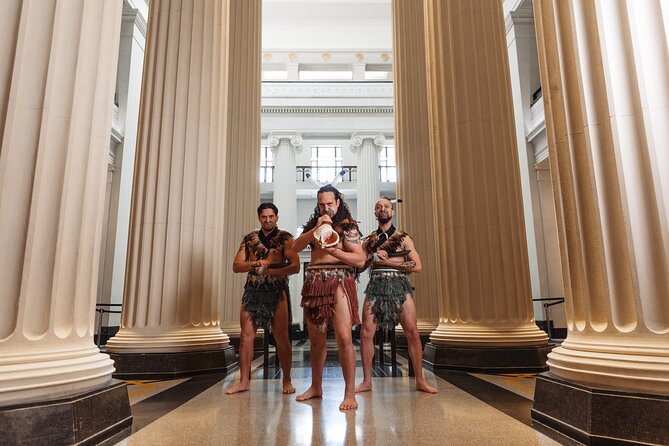
You’ll start at Auckland War Memorial Museum, Parnell. That’s also where you redeem your ticket for entry to the experience. If you’re meeting up with others, it helps to arrive early so you’re not scrambling with bags, coffee, and figuring out where the ticket check happens.
This is near public transportation, which is handy in a city like Auckland where the “easy parking” plan isn’t always reliable. Service animals are allowed, and most travelers can participate—so it’s set up to be straightforward for a wide range of visitors.
One more practical tip: since the performance is short, you don’t want your day to hinge on rushing. If you can, give yourself a little buffer time before the show starts and extra time afterward for museum browsing.
Value check: is $38.48 a good deal?

At $38.48 per person, you’re paying for two things in one: a Māori cultural performance ticket plus general admission to Auckland Museum. That combo can be a good deal if you already planned to visit the museum anyway. Instead of paying separately for a show and then entry, you’re bundling them.
This ticket is also clear about what it does not include. Special exhibitions aren’t covered, and guided tours aren’t included. So if you were hoping for a fully guided, long-form museum deep dive led by a person, you’ll likely need to add that separately.
Where the value shows up most is convenience. You get a structured cultural introduction while you’re at a museum that already holds important objects and interpretive displays. You’re not hunting for cultural context on your own. The show gives you a starting lens, and the museum helps you continue the story.






Who this is best for (and who may want a backup plan)
I’d put this in the “first-time Māori culture in New Zealand” category. It’s a solid match if you want a respectful introduction to waiata, poi, and haka meaning and you also want to see what Auckland Museum offers on New Zealand heritage.
It’s also a good fit if you like experiences that are short but still meaningful. Several people mention it as a highlight and a moving moment, which is exactly what you want on a trip day when time is tight.
On the other hand, it may not satisfy everyone. If your top goal is a long, intense haka performance, or if you need the words translated in detail, you might feel shortchanged. Some comments explicitly mention wanting the haka words translated, and others mention the haka portion feeling too brief or missing.
If you’re picky about casting too, be aware that at least one comment says there weren’t as many Māori performers as expected. The program is still described as led by esteemed indigenous artists and orators, but the number of performers can vary by staging needs.
A smart strategy: book this if you want an honest introduction, then treat additional learning as part of your museum time. Walk through relevant exhibits with that performance context in mind.
The museum day after the show: how to get more from your ticket

Don’t treat the stage portion as the whole experience. The ticket includes general admission, and the museum is where you can slow down. If you’re coming in with new context from the show—like how ritual meaning is explained—your museum browsing will click more than it would on a first pass.
Since the Māori Court and Pacific Galleries are closed, you may want to adjust your expectations and still aim for other areas tied to natural history, New Zealand heritage, and taonga. With limited time, focus on exhibits that help you connect the performance elements to broader themes: identity, place, and cultural continuity.
One more practical mindset shift: even if the show feels brief, it can still be a great “set the tone” moment for the rest of your visit. You’ll likely get more out of the museum when your brain has a cultural framework to work from.
Should you book this Māori Cultural Experience?
Yes, you should book it if you want a respectful, structured introduction to Māori culture plus a museum entry ticket in one stop. The price works best when you were already planning to see Auckland Museum, and the performance format is designed to teach as well as entertain.
I’d think twice if you’re making one narrow item your must-have—like a long, full haka with lots of on-stage language translation—or if you’re uncomfortable with short performances where the emphasis is on overview rather than depth. In that case, pair this ticket with extra self-guided reading in the museum, or look for a longer, more text-supported cultural option when you’re in town.
If your goal is a genuine start—songs, poi, and haka meaning in a museum setting—this is a strong way to get oriented fast in Auckland.
FAQ
How long is the Māori Cultural Experience?
The duration is listed as approximately 45 minutes to 3 hours.
What does my ticket include?
Your booking includes the Māori Cultural Performance ticket and general admission entry to Auckland Museum.
Are special exhibitions included?
No. Special exhibition entry for ticketed exhibitions is not included.
Where do I meet and redeem my ticket?
You start at Auckland War Memorial Museum, Parnell, Auckland 1010, New Zealand. Ticket redemption is also at Auckland Museum, Parnell, Auckland 1010.
Can I cancel and get a refund?
Yes. You can cancel for free up to 24 hours in advance of the experience start time for a full refund.
Are all museum galleries open during the visit?
Not during this period. The Māori Court and Pacific Galleries are temporarily closed due to essential maintenance work.