REVIEW · AUCKLAND
Day sea kayak tour Rangitoto Island
Book on Viator →Operated by Auckland Sea Kayaks · Bookable on Viator
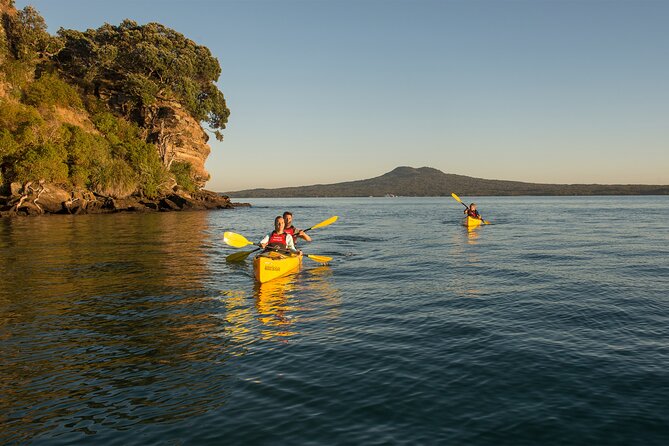
Rangitoto looks different when you reach it by kayak. I like how this tour includes a full kayak and safety briefing (so you don’t need prior experience), plus a Kiwi BBQ meal right on the island’s waterfront. You also paddle through Auckland’s sparkling Waitemata Harbour with chances to see seabirds and even Little Blue Penguins.
The only real catch is effort: the Rangitoto summit trek has inclines, so you’ll want a decent baseline fitness level and comfortable boots for uneven volcanic ground.
In This Review
- Key things I’d note before you book
- Paddling Rangitoto from Waitemata Harbour: why this feels so Auckland
- Pickup, timing, and the pest-free gear ritual (don’t skip this)
- From St. Heliers to Rangitoto: what the crossing is like
- The paddling briefing that makes first-timers feel safe
- Rangitoto’s summit walk: a fun climb with real effort
- Kiwi BBQ on the island: the meal that makes the return paddle easier
- Wildlife spotting: penguins and seabirds, plus quiet moments
- Weather and route changes: when conditions decide the plan
- Effort level: how hard is a 6.5-hour kayak and hike day?
- Price and value: is $152 NZD worth it?
- Who should book this Rangitoto sea kayak tour?
- Should you book? My straight answer
- FAQ
- Do I need prior kayaking experience?
- How long is the tour?
- What time does the tour start?
- Is pickup available in Auckland?
- What’s included in the price?
- What wildlife might we see?
- Is the hike strenuous?
- What should I do about pest control for gear?
Key things I’d note before you book
- No previous kayaking experience required thanks to a structured skills and safety briefing
- Small group size (max 8) keeps the day feeling personal instead of rushed
- Rangitoto summit views are the payoff, with a guided one-hour trek to reach the top
- Kiwi BBQ is part of the plan, not a sad afterthought, so you recover before the paddle back
- Wildlife watching fits naturally during the harbor crossing (Little Blue Penguin and Cook’s Petrel are on the radar)
- Gear pest-checking matters for Hauraki Gulf island conservation, and the operator takes it seriously
Paddling Rangitoto from Waitemata Harbour: why this feels so Auckland
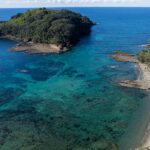
Rangitoto Island is one of those Auckland landmarks that almost looks too dramatic from the shoreline. Coming at it from the water changes the mood fast. Instead of just seeing the volcano, you experience it: harbor first, then black volcanic rock, then the big open sky up top.
The best part is that you’re doing more than “going for a view.” You’re combining sea kayaking across Waitemata Harbour, a guided hike to the summit, and a cooked meal on the island. That mix is why this day trip stands out. It’s active, but it’s also structured and guided, so you’re not left to figure anything out.
And because it’s a small group, the pace feels human. I like tours where you’re not fighting for attention every ten minutes. Here, the guides can actually focus on paddling form, comfort in the kayak, and safety choices based on conditions.
You can also read our reviews of more tours and experiences in Auckland
Pickup, timing, and the pest-free gear ritual (don’t skip this)
The day starts at 8:30 am, and you’ll have options for free pickup and drop-off between central Auckland and St. Heliers (one listed pickup spot is near Auckland Museum). The tour ends back where you started, so you’re not trying to coordinate transport after you’re tired.
Before you leave the mainland, there’s an island protection routine. You’re asked to check, clean, and seal your gear to help keep Hauraki Gulf islands pest-free. The operator specifically calls out things like rodents and insects, and even skinks, plus advice to remove soil and seeds from footwear and gear. The “seal” part is simple: zip bags shut so nothing sneaks out.
This matters for two reasons. First, it’s conservation in action. Second, it helps you avoid last-minute stress at the start of the day. If you’re traveling with hiking boots that picked up dirt earlier, plan a quick cleaning before the tour.
From St. Heliers to Rangitoto: what the crossing is like
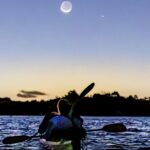
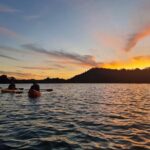
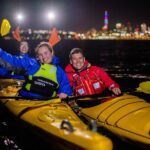
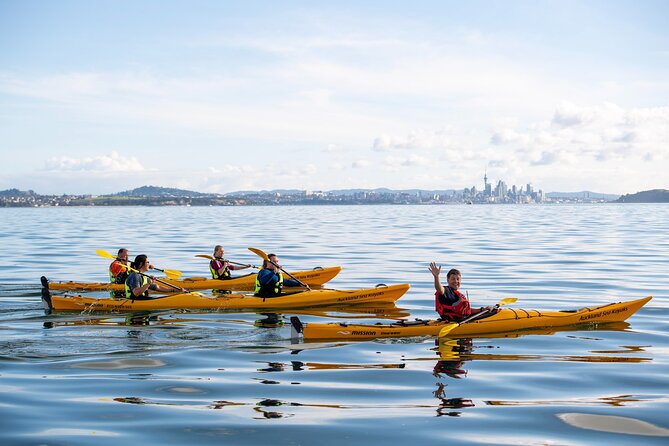
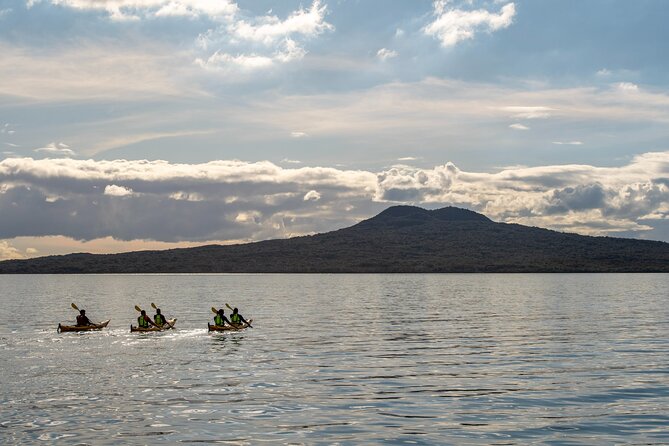
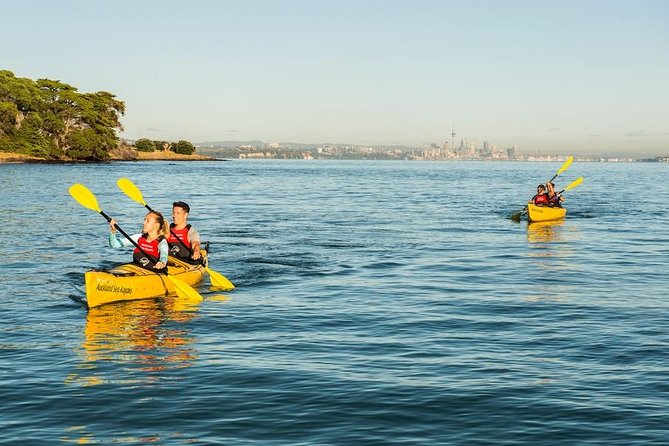
You’ll start kayaking across Waitemata Harbour—the name literally points to its sparkling water vibe. The crossing is where the day gets going and where your guide can watch your technique and adjust the plan if needed.
Expect a leisurely start. This is not pitched as a wild white-knuckle ride. The tour is designed for people with little or no kayaking experience, and the guides build in instruction before you head out. In practice, that usually means you’ll get comfortable steering, switching paddling strokes, and keeping your kayak stable.
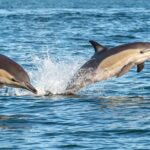
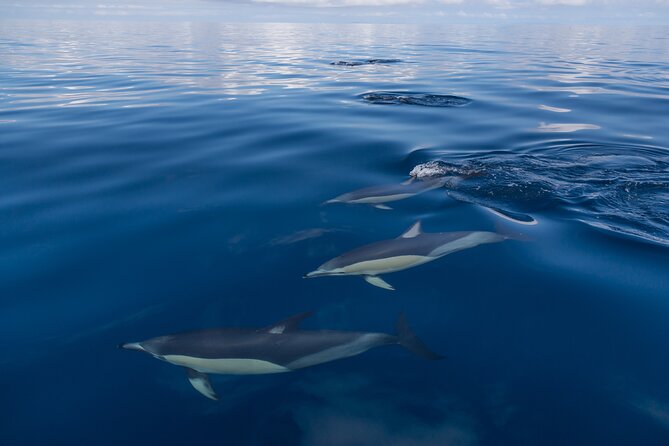
On the way over, wildlife spotting is part of the atmosphere. The tour description puts Little Blue Penguins and Cook’s Petrel on the radar, and you may spot other seabirds too depending on the day. This is the kind of wildlife that doesn’t require a big hike or a long search—you’re watching from a moving platform while you paddle.
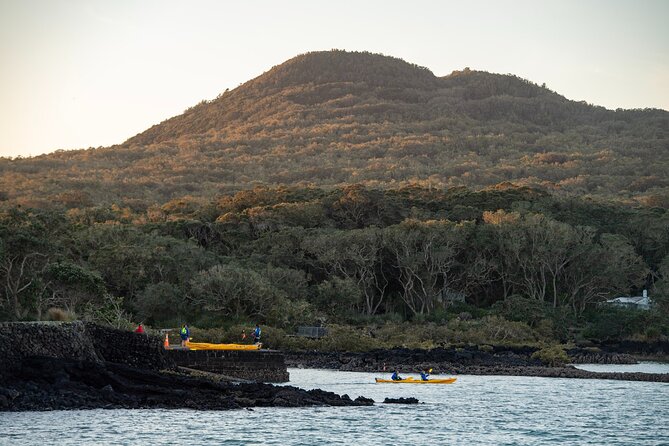
The operator also pulls kayaks up at Rangitoto’s wharf before you switch from water mode to walking mode. That transition is a nice break. It’s also a moment to refocus on the hike ahead.
The paddling briefing that makes first-timers feel safe
This tour is set up around teaching. Guides provide a full kayak and safety briefing, and they also give paddling instruction so you’re not guessing out there.
That’s especially important because sea kayaking is physical even when the water is calm. Your arms and shoulders do the work, and your core helps keep your posture steady. Guides on this trip have been praised for being clear and practical. Names that show up in the experiences include Daniel, Eric, Chloe, Bennett, Ingrid, Richard, and Rosie—each described as organized and focused on safety and instruction.
What you should take away as a first-timer is this: you’ll get coaching that helps you look after your energy. In a day like this, saving stamina is everything. A relaxed paddle makes the hike feel possible. A frantic paddle makes the summit feel harder than it needs to be.
You’ll also learn how to handle your kayak responsibly around other boats and in open water. Even if you’ve never kayaked, the goal is to leave the start line with a simple, repeatable approach.
Rangitoto’s summit walk: a fun climb with real effort
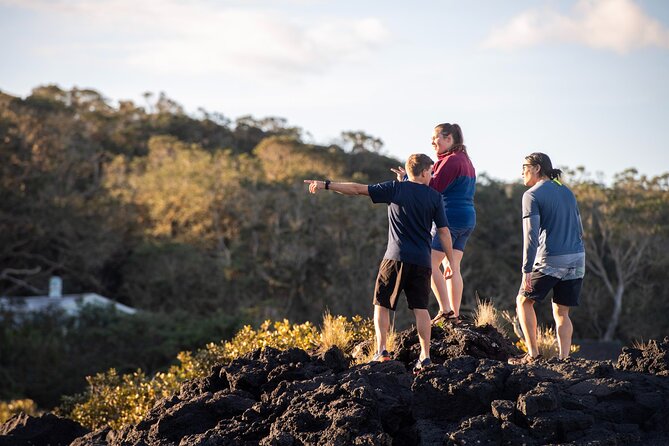
Once you step off the wharf, the day pivots to land. You’ll tackle an approximately one-hour explorative trek to the summit across Rangitoto’s bush-clad terrain.
Let’s be honest: volcano hikes have their own personality. The slope can feel more serious than the length suggests. One review noted it as strenuous at times, though still doable. Another highlighted that it’s not for the faint of heart, while still being worth it. So the hiking portion is where you’ll feel the “adventure day” energy.
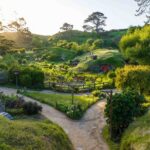
The reward is the top. You get a 360-degree view over Auckland and the region’s beaches and bays. Even if you’ve been to Auckland before, this panorama hits differently because you’re high above the water you just paddled across.
Practical tip: wear sturdy footwear and treat your footing seriously. Volcanic ground can be uneven. If you’re the type who hates slipping, you’ll love the guide’s steady pace and route guidance. If you’re the type who rushes uphill, slow down early to avoid burning out.


Kiwi BBQ on the island: the meal that makes the return paddle easier
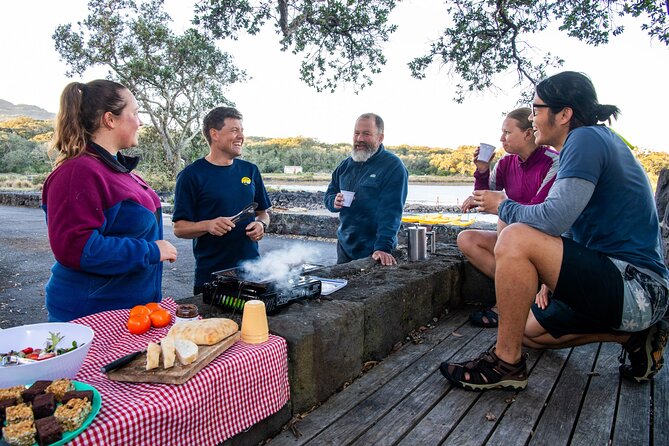
You’ll stop at Rangitoto and enjoy a healthy Kiwi-style BBQ lunch on the shore. It’s not served as a token snack. The day is physically demanding, and the meal is there to fuel your upper body recovery and give you enough energy to paddle back.
Coffee and/or tea are included too, which is a small detail but a big morale boost when you’re hot and tired from the climb. Multiple experiences describe the food as delicious, with one mentioning steaks grilled on the beach.
The main value here is timing. This isn’t “eat whenever.” It’s “eat after the hike so you can do the second half of the kayaking.” That order matters. If you land lunch after the climb, you’re more likely to enjoy it instead of thinking about it as only fuel.
Possible drawback to consider: one experience flagged the lunch quality as not matching their expectations. Most comments on food are positive, but if you’re picky about picnic-style lunches, keep your expectations flexible.
Wildlife spotting: penguins and seabirds, plus quiet moments
One reason sea kayaking feels special is that it makes wildlife viewing feel close without being disruptive. You’re moving slowly at water level, and the guide can help you know what to look for.
The operator highlights Little Blue Penguins and Cook’s Petrel, and you might also notice other seabirds depending on the season and conditions. The key is patience. Wildlife here isn’t always a guaranteed sighting. Sometimes you get the dramatic close-up, and sometimes you get a silhouette and a story from the guide.
Guides have been praised for plant-life and bird knowledge too. If you like learning while you watch, this is where that background adds value. The goal isn’t a lecture. It’s quick, useful context that helps you see more.
Weather and route changes: when conditions decide the plan
Sea kayaking is weather-dependent. This tour requires good weather, and if conditions aren’t right, you’ll be offered a different date or a full refund. That part is important, because it tells you the operator is paying attention to safety rather than forcing the plan.
You might also see a route adjustment if water conditions change. One example described switching to Brown Island (Motukorea Island) instead of Rangitoto due to a forecast and water considerations. That flexibility is smart because it reduces the chance you’re pushed into rougher conditions.
So what should you do? Pick clothing and gear that works across changing conditions, and keep an open mind. If you come in thinking it’s only Rangitoto or nothing, you may feel disappointed if the day needs an alternative. If you come in ready for a guided volcanic island adventure, you’ll likely enjoy whatever the weather allows.
Effort level: how hard is a 6.5-hour kayak and hike day?
The overall duration is about 6 hours 30 minutes. It’s a full-day rhythm: kayak out, hike up, eat, then kayak back. The kayaking time adds up, and the hike adds up too.
The tour description notes a moderate physical fitness level requirement. Reviews back that up with clear guidance: plan to row for a total of roughly a couple of hours (often described as 2 to 3 hours round trip), and expect hiking with some steep inclines.
If you’re generally fit and comfortable walking uphill for an hour, you’re in good shape. If you’re not used to hills, bring a slower mindset. Start conservatively on the climb. Save energy for the summit view, not for proving you can rush.
This is also why small-group size matters. With fewer people, guides can manage pace and help anyone who’s having a tougher moment, without the group getting split or delayed.
Price and value: is $152 NZD worth it?
At about $152.04 per person, you’re paying for a lot more than “a kayak rental.”
You’re getting:
- a guided sea kayaking experience built for beginners
- top-quality equipment
- a guided summit hike
- a fully catered BBQ lunch with coffee and/or tea
- pickup and drop-off from central Auckland to St. Heliers
- group size kept small (maximum 8)
If you add up what it costs to do those activities separately, this often starts looking like good value. The meal and the instruction are the big wins. Meal costs money. Beginner instruction costs money. And a guided route on an island like Rangitoto costs time and staffing.
So the real question isn’t only price. It’s fit. If you want hands-on coaching, a structured day, and a volcano summit view without planning everything yourself, this price feels reasonable for Auckland.
Who should book this Rangitoto sea kayak tour?
Book it if you:
- want an active Auckland day that mixes water time and a summit hike
- have little or no kayaking experience and want coaching
- like wildlife and enjoy being outside for hours
- care about not being stuck in a huge group
Skip it or rethink your timing if you:
- hate uphill walking or aren’t comfortable with inclines
- expect a super relaxed, flat hike
- are extremely rigid about sticking to one exact island no matter what weather does
Should you book? My straight answer
Yes, if you want a guided Rangitoto experience that feels practical and well-run: calm-to-moderate kayaking, a real workout climb, and a BBQ lunch that helps you finish strong. The standout strength is the way instruction and safety guidance make the day approachable, with guides such as Daniel, Eric, Chloe, and others specifically praised for how they lead and support people.
If you’re fitness-limited on hikes, treat this as a “maybe” and consider whether you can handle a steep, volcanic summit walk for about an hour. If you can, it’s a memorable way to see Auckland from two angles at once: water-level views and summit-level panoramas.
FAQ
Do I need prior kayaking experience?
No. The tour includes a full kayak and safety briefing plus paddling instruction, and it’s described as suitable for people with little or no kayaking experience.
How long is the tour?
The duration is about 6 hours 30 minutes.
What time does the tour start?
The start time is 8:30 am.
Is pickup available in Auckland?
Yes. You can arrange free pickup and drop-off between central Auckland and St. Heliers, with a listed pickup area near Auckland Museum.
What’s included in the price?
The tour includes fully catered BBQ lunch, small friendly groups, top-quality sea kayak equipment, experienced guides, and coffee and/or tea.
What wildlife might we see?
The tour highlights chances to see Little Blue Penguins and Cook’s Petrel while you’re on the water.
Is the hike strenuous?
It’s an included summit trek with inclines. The tour asks for a moderate fitness level, and experiences note it can be strenuous at times, though it’s also described as doable.
What should I do about pest control for gear?
You’ll be asked to check your gear and help keep islands Hauraki Gulf pest-free by cleaning footwear and gear (removing soil and seeds) and sealing bags so nothing travels to the islands.