REVIEW · AUCKLAND
Bioluminescence Kayak Tour – Est. 1994
Book on Viator →Operated by Canoe & Kayak Adventures · Bookable on Viator
Glow in the water beats any postcard. This Bioluminescence Kayak Tour is a simple, friendly way to get out of Auckland’s neon and paddle the North Shore at night, aiming for that otherworldly blue glow; I love the small 1–6 guide-to-person ratio and the fact that kayaks plus safety gear are included, so you’re not stuck figuring anything out. One thing to consider: the bioluminescence can be subtle depending on conditions, and phone photos often disappoint because the light is brief and the water needs movement to really spark.
Timing and logistics are pretty well handled. You’ll meet near Rosedale, then head out within a 10-kilometer radius of the North Shore Canoe & Kayak store area, with the exact spot confirmed before 3:30 pm the day of your tour. The whole experience runs about 2 hours, so it’s long enough to learn the basics and enjoy the night, but short enough that you’re not stuck in damp gear for ages.
In This Review
- Key things to know before you go
- The Auckland Night Kayak That Swaps City Lights for Ocean Spark
- Where You Start: Rosedale Meeting Point and the Day-of Area Update
- Getting Ready: Gear, Safety Brief, and Your First Paddle Moves
- Long Bay–Okura Marine Reserve at Night: What the Paddle Feels Like
- Bioluminescent Plankton: How the Glow Works (and Why It Can Look Different Than Photos)
- Tips for Getting the Best Glow (Without Losing Your Phone or Your Balance)
- Guides You Can Trust: Friendly Instruction and Safety-First Mindsets
- Price and Value: Is $73.85 Worth It for a 2-Hour Night Paddle?
- Who Should Book This Bioluminescence Kayak Tour
- Should You Book This Tour? My Take
- FAQ
- How long is the bioluminescence kayak tour?
- Do I need kayaking experience?
- What equipment is included?
- Where does the tour start and end?
- Will I be paddling in the same place every time?
- What if the bioluminescence is not very bright?
- What happens if the weather is poor?
- How big are the groups?
- Is there free cancellation?
Key things to know before you go
- Beginner-friendly kayak instruction: no experience needed, with hands-on tuition as you get set up
- Long Bay–Okura Marine Reserve vibes: protected waters make the night paddle feel calmer
- Night glow depends on reality: brightness varies, and the best effect comes from paddle motion
- Small groups feel personal: maximum 24 people, and the guide ratio stays tight (1–6)
- Plan for water and quick changes: you may get wet, and photo/video attempts are tricky
The Auckland Night Kayak That Swaps City Lights for Ocean Spark
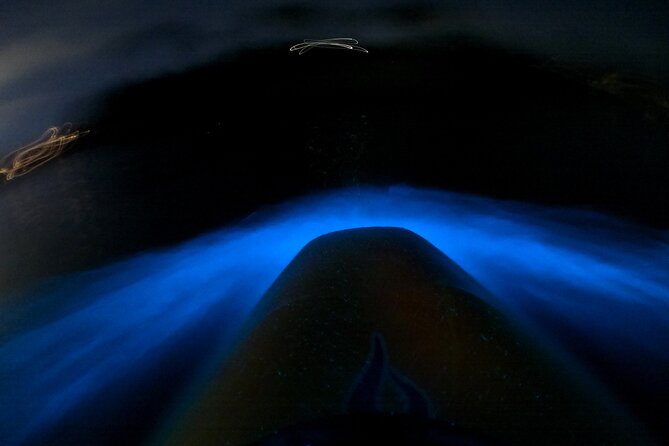
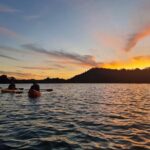
If you want a unique Auckland experience without a long drive, this tour is built for that. The pitch is straightforward: paddle at night along Auckland’s northern coast and watch bioluminescent plankton turn the water into moving sparks. It’s the kind of activity where the atmosphere does half the work. When you’re out of the harsh city glow, stars show up faster, and the ocean sounds do their own soundtrack.
What I like most is how much they remove from your mental checklist. You don’t need to bring your own kayak gear or learn equipment first. You show up, get matched with the right setup (they use stable sea kayaks or sit-on-tops), then learn how to paddle safely so you can focus on the real show: the water lighting up.
You can also read our reviews of more tours and experiences in Auckland
Where You Start: Rosedale Meeting Point and the Day-of Area Update
You meet at 2/20 Ascension Place, Rosedale (Auckland 0632). It’s also described as near public transportation, which matters if you’re not planning to rent a car. Many people pair it with a simple local transit plan (bus to get there, rideshare back), and that’s a sensible approach because the tour ends back at the same meeting point.
One detail that’s actually helpful: the paddle happens within a 6-mile (10-kilometer) radius of the North Shore Canoe & Kayak store in Mairangi Bay. They also confirm the exact location before 3:30 pm the day of the tour. That tells you to treat the day like a short weather-and-water plan, not a fixed sightseeing itinerary.
Practical advice: if you’re organizing your evening around dinner reservations, keep some wiggle room. This isn’t a long transfer day, but night plans still work better with flexible timing.
Getting Ready: Gear, Safety Brief, and Your First Paddle Moves
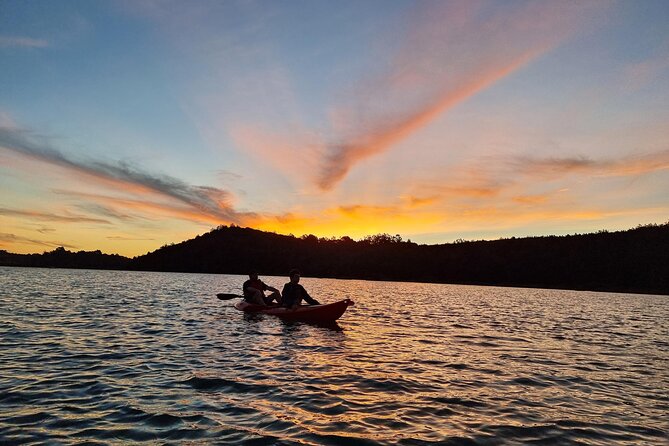
This tour is built around “no experience, no problem.” That’s not just marketing language. The guides teach you how to kayak, and they keep a strong guide-to-person ratio (1–6). In plain terms, it means you get attention fast when something feels awkward: turning, paddling rhythm, balance, and safety basics.
They provide:
- all kayaking equipment and safety gear
- stable sea kayaks or sit-on-tops
- instruction from qualified kayak guides
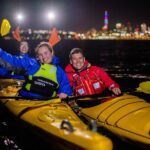
You should expect the first part of the experience to feel like a mini lesson. The goal isn’t to make you a pro; it’s to get you comfortable enough to paddle on dark water without stress. A lot of the reviews hit the same theme: guides are friendly and patient, and they explain things clearly so first-timers don’t feel lost.
A small but important real-world note from reviews: you might get wet. So bring dry shoes/gear for afterwards, and consider a bag or waterproof pouch for your phone if you plan to bring one.
Long Bay–Okura Marine Reserve at Night: What the Paddle Feels Like
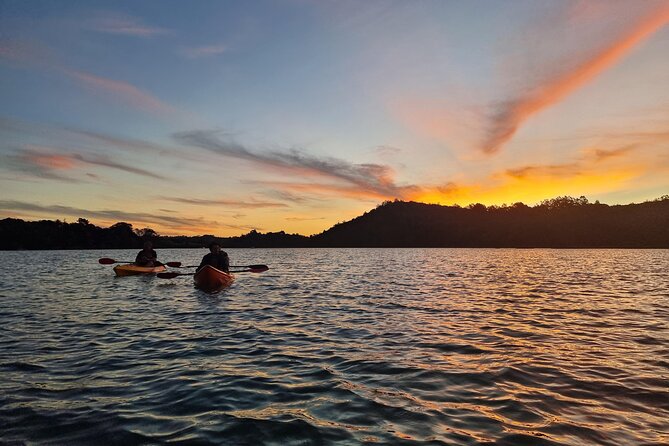
Once you’re on the water, the protected-water setting is part of the comfort story. The paddle is described as taking place in/around the Long Bay – Okura Marine Reserve, which is a huge reason the experience works for beginners. Protected waters tend to mean less drama than open ocean swells, especially at night when your brain is already busy with darkness and starry skies.
During the paddle, you’ll likely notice two things quickly:
- The quiet. You can hear your own paddle strokes more clearly, plus the night calls from native birds.
- The sense that you’re leaving the city behind. Even though you’re still in Auckland, it feels like a different world once you’re out on dark water.
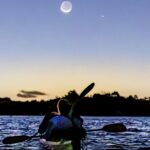
Reviews also mention that the night can enhance stargazing. On clear evenings, you may see stars and even planets. That doesn’t replace the main attraction, but it’s a bonus that makes the whole 2 hours feel fuller.
Bioluminescent Plankton: How the Glow Works (and Why It Can Look Different Than Photos)
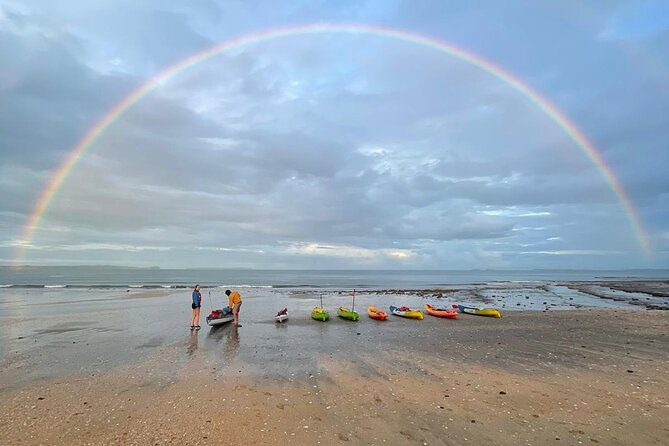
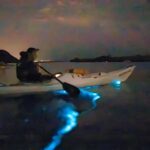
This is the heart of the tour, and it helps to understand the “physics” of expectations. Bioluminescence doesn’t usually look like a constant glowing movie screen. It’s more like a reaction to movement. When your kayak paddles create motion in the water, the plankton respond, and you get those flashes and sparkles.
Here’s what you can count on:
- you’ll see the water glow in moments during your paddle
- you may see stronger effects when the water is disturbed by paddles or wave action
- the overall intensity can vary by conditions
And here’s what you should plan for:
- the glow can be underwhelming compared with the brightest promo images
- you might only catch the best looks in short bursts
- photos and videos are hard, because the light is faint and movement is quick
Some reviews explicitly say luminosity varies depending on circumstances. That’s your heads-up: the tour isn’t lying, but Mother Nature isn’t predictable. If you go in expecting a consistent, camera-ready glow, you’ll feel disappointed. If you go in expecting brief sparks and a magical feeling of being part of it, you’ll likely love it.
Also, don’t be surprised if the guides teach you how to trigger the best glow. Reviews describe the bioluminescence as looking like stars coming up from under the water, and that guidance helps you notice it instead of missing it while you’re just trying to paddle.




Tips for Getting the Best Glow (Without Losing Your Phone or Your Balance)
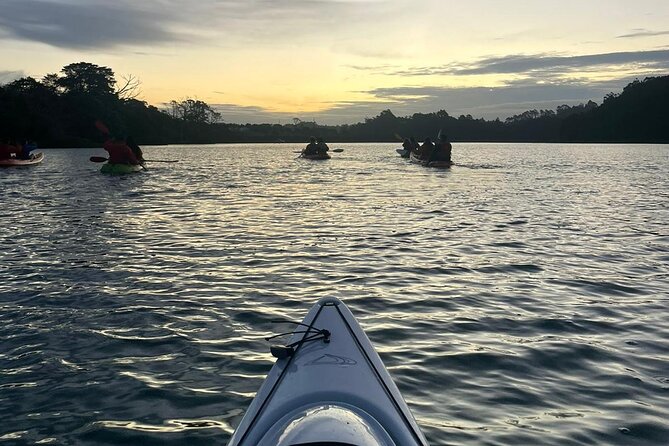
If you want the most out of the experience, focus on the basics that improve your odds:
- Paddle smoothly and keep moving. The glow responds to water disturbance, so you want steady strokes, not frantic splashing.
- Expect that phone cameras struggle. Reviews mention trouble getting photos and videos like you’d hope. The real light is more magical in your eyes than on a screen.
- Bring a change of clothes. Even if you don’t fully soak, damp gear happens.
- If you have back issues, choose a kayak setup with support when possible. One review suggests looking for a back rest if you need one.
One more practical detail: in the real world, conditions change fast. A review mentions getting caught in a short rain storm and still calling it a highlight. That tells me the guides stay focused on safety and fun even when the weather nudges the plan.
If you’re sensitive to timing or you hate uncertainty, build your schedule like this is the main event of the evening, not something you fit around tightly.
Guides You Can Trust: Friendly Instruction and Safety-First Mindsets
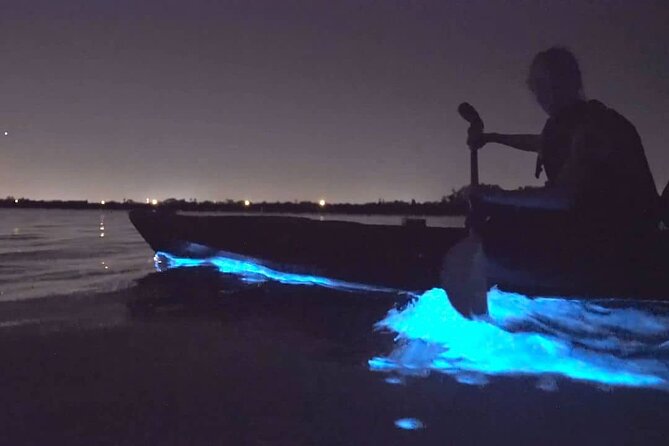
The most praised part of this tour is the people. Reviews repeatedly describe guides as:
- friendly
- patient with first-timers
- safety-focused
- excited about showing you what’s happening in the water
Several guide names show up in reviews: Josh and Elena, Eloise, Paul, Gareth, Madison, Sam, Keith, Peter, and Ben. I can’t say you’ll get any specific person, but the pattern is clear: you’re not being handed paddles and left to figure it out.
What that means for you: you’ll spend less time worrying about balance and more time noticing the water. When the instruction is calm and clear, night kayaking becomes one of those activities where you feel safe enough to relax and enjoy.
Price and Value: Is $73.85 Worth It for a 2-Hour Night Paddle?
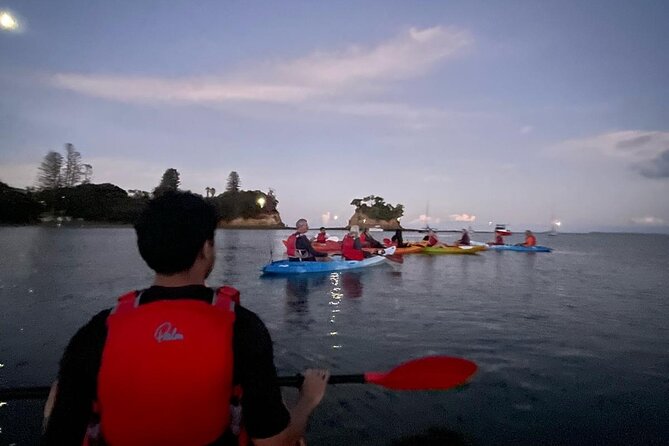
At $73.85 per person for about 2 hours, you’re paying for three things you’d otherwise need to arrange yourself:
- instruction for beginners
- safe, stable kayaking equipment
- a guided night paddle where timing and local knowledge matter
This isn’t just a casual sunset walk. Night kayaking has real safety requirements, and the bioluminescence part depends on conditions. The guide ratio and included gear make it better value than booking a random rental and hoping you stumble into the right conditions.
Is it expensive compared to basic activities? Sure. But it’s also not an all-day tour with a big bus route and meals to pay for. You’re buying a focused experience that’s hard to replicate on your own.
My value take: if you want one guided, beginner-friendly Auckland nature night, this is priced like an activity that tries to deliver the full package, not just access.
Who Should Book This Bioluminescence Kayak Tour
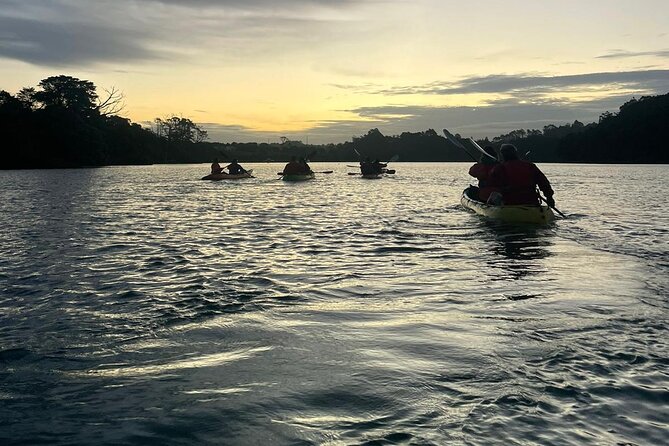
This is a great fit if you:
- are new to kayaking and want real coaching
- want a short night adventure with strong safety support
- like nature experiences that feel different from standard city sightseeing
- enjoy stargazing and nighttime ocean sounds
It may be less ideal if you:
- need everything to be picture-perfect and constant (the glow can be subtle)
- are counting on lots of usable phone video footage
- hate getting wet at all (it can be part of the deal with night paddling)
Also, if you’re traveling with a group, the max group size (up to 24) and the 1–6 ratio help the experience feel organized instead of chaotic.
Should You Book This Tour? My Take
If you’re the type of person who likes real nature surprises more than perfect photos, you should book. This tour hits the sweet spot: beginner-friendly instruction, safety-first guiding, and a night setting that makes the ocean feel like a different planet.
Just go in with two expectations set correctly. First, bioluminescence brightness can vary, so treat it like sparks you’ll catch, not a guaranteed glowing river. Second, plan on enjoying it in the moment more than documenting it with your camera.
If the forecast and conditions line up, this is one of those Auckland-area activities that feels worth the money because it’s guided, hands-on, and genuinely hard to recreate.
FAQ
How long is the bioluminescence kayak tour?
It runs for about 2 hours.
Do I need kayaking experience?
No. The tour is designed for beginners, with instruction from the guides so you can learn as you go.
What equipment is included?
You get all kayaking equipment and safety gear, and you’ll use stable sea kayaks or sit-on-tops.
Where does the tour start and end?
It starts and ends back at the meeting point at 2/20 Ascension Place, Rosedale, Auckland 0632.
Will I be paddling in the same place every time?
No. The paddle takes place within a 10-kilometer radius of the North Shore Canoe & Kayak Store in Mairangi Bay, and the exact area is confirmed before 3:30 pm on the day of the tour.
What if the bioluminescence is not very bright?
The glow can vary depending on conditions, and it may be subtle at times. The best effect generally comes from the water movement during the paddle.
What happens if the weather is poor?
The tour requires good weather. If it’s canceled due to poor weather, you’ll be offered a different date or a full refund.
How big are the groups?
The tour can have a maximum of 24 travelers, and the guide-to-person ratio is listed as 1–6.
Is there free cancellation?
Yes. Free cancellation is available up to 24 hours in advance for a full refund.