REVIEW · AUCKLAND
Private 2 Hour Surf Lesson
Book on Viator →Operated by Aotearoa Surf School · Bookable on Viator
Two hours can change how you ride.
Auckland’s East Coast is famous for calmer, consistent surf, and Te Arai’s sandy beach is a smart starting point. This is a private surf lesson that you can shape to your ability, so you’re not stuck watching others while you wait your turn.
What I like most is the focused coaching. You get one-to-one tuition from a qualified instructor, plus all the gear you need, from the wetsuit to the board and leash. The lesson is built around real fundamentals too, like paddling, positioning, timing, and learning how to safely get out to where the waves break.
One consideration: the ocean can be unpredictable, and the lesson depends on good weather. Also, you’re expected to have a moderate physical fitness level since you’ll paddle, balance, and spend time in the water.
In This Review
- Key things that make this surf lesson worth your time
- Te Arai and Auckland’s East Coast: why this spot helps you learn
- Private 2-hour coaching: what one-on-one actually changes
- The 2.5-hour reality: how the lesson day usually plays out
- The coaching syllabus: from safety to the popup to riding
- Gear and comfort: what’s included (and why it matters)
- What to wear and what to bring (so you don’t fight logistics)
- Who this surf lesson fits best
- Price and value: is $126.67 per person fair for this lesson?
- Weather and expectations: when the ocean changes the plan
- Photos and the small extras you might want
- Should you book this Auckland private surf lesson?
- FAQ
- Where is the meeting point for the surf lesson?
- How long is the surf lesson?
- Is this lesson suitable for complete beginners?
- Is equipment included?
- Will I get one-on-one instruction?
- What skills does the instructor teach during the lesson?
- What happens if the weather is poor?
Key things that make this surf lesson worth your time
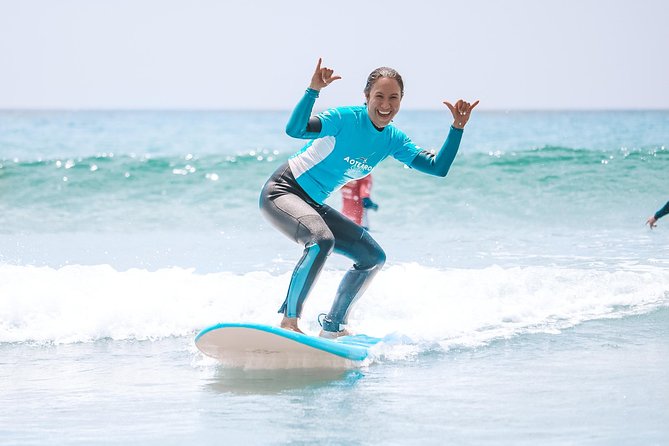
- Te Arai’s beginner-friendly setup on a sandy beach with the kind of conditions that help you learn faster
- Private, one-on-one coaching that can be tailored to complete beginners through returning surfers
- Everything you need is included: board, leash, wetsuit, rash shirt, and even sunscreen
- A full skills checklist that covers safety, paddling, ocean awareness, takeoff, and riding
- Real progress goals like mastering the popup and riding waves inshore
- Optional extras only: souvenir photos cost extra, so you control the spend
Te Arai and Auckland’s East Coast: why this spot helps you learn
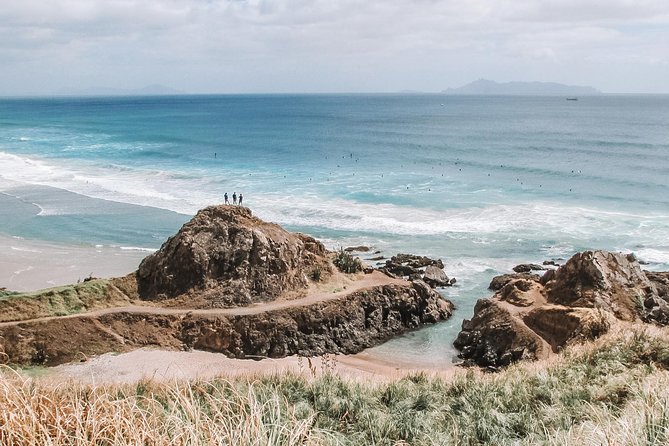
Auckland’s East Coast is the kind of place surfers talk about when they mean practical conditions. You’re looking for waves that aren’t too wild, and a shoreline that doesn’t make everything harder than it has to be. Te Arai fits the bill: it’s sandy, which matters because it’s easier to stand and reset while you’re still learning.
The big win here is that your instructor can spend more time on technique and less time fighting chaos. When the conditions are more forgiving, you can practice the same core motion over and over. That’s how you go from wobbling to actually finding a line you can ride.
You’ll also get an ocean-knowledge angle, not just board-handling. The lesson includes ocean awareness and getting out the back, which is the part that scares most first-timers. Learning that early makes everything else feel less like a gamble.
You can also read our reviews of more private tours in Auckland



Private 2-hour coaching: what one-on-one actually changes
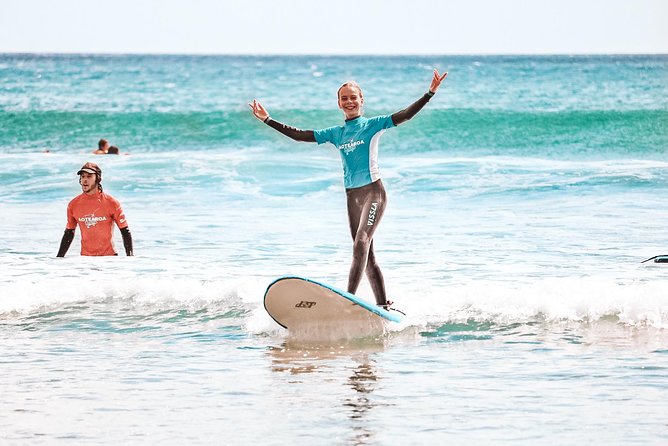
A private lesson sounds nice on paper, but here’s what it does for you in real life: it compresses learning. Instead of being coached in bursts between other people, you can get corrections immediately and repeat the exact movement the instructor just spotted.
This lesson is designed to be tailored to your ability. That’s not a throwaway line. If you’re a complete beginner, you’ll get the safety and basic positioning first, then you’ll build toward standing and riding. If you already have some experience, you can focus more on paddling efficiency, takeoff timing, and improving how you pop up.
The instructor experience matters too. Aotearoa Surf School has instructors who’ve taught kids and adults of different levels. Names that come up include Lee and Andrew, and they’ve coached beginners who had never surfed before as well as young learners like Sebastien, eight years old. In other words, you’re not likely to feel lost in the process.
The 2.5-hour reality: how the lesson day usually plays out
The total booked duration is about 2 hours 30 minutes. The surf class itself runs for 2 hours, and the rest of the time is what you’d expect for meeting, gear up, and settling in.
You’ll meet at 708 Te Arai Point Road, Te Arai 0975. From there, you’ll head into the session flow with the instructor and then return back to the meeting point when you’re done.
Here’s what you should expect during that window, based on the lesson content:
- Time on safety and equipment basics so you know what to do before you go into the water
- Coaching on your body position, where you should be on the board, and how to move with control
- Practice reps focused on paddling and takeoff timing
- Actual wave riding attempts as you progress toward standing rides
The pacing is personal. The point of a private class is that you don’t have to rush to keep up. You can learn at your own speed, and the instructor can adjust what you practice next.
The coaching syllabus: from safety to the popup to riding
This lesson is built like a checklist, and that’s a good thing when you’re learning something physical with real hazards. The skills covered include:
Safety first (and not in a boring way)
You’ll cover safety, ocean awareness, and how to think about conditions. The goal is simple: you want to feel like you understand what’s happening around you, not just follow hand signals and hope for the best.
Equipment design and how it affects your stance
You’re not just handed a board and told to go. You’ll get guidance on how the equipment works with your body position. That helps you avoid a common beginner mistake: fighting the board instead of using it.
Positioning and paddling technique
To catch a wave, you need momentum and control. Positioning affects balance, and paddling technique affects where you end up relative to the breaking waves.
Getting out the back (the part most people avoid)
Getting out to where the waves break is usually where nerves spike. This lesson includes that step, so you’re not guessing. Knowing the process makes everything less stressful and keeps you from wasting energy.
Timing and takeoff
Catching the wave is only half the job. You’ll work on timing and takeoff so you’re not popping up too early or too late.
Master the popup
The popup is the bridge between paddling and standing. Expect repeated practice until the motion makes sense and you can do it with consistency rather than luck.
Riding waves
The endpoint is standing riding waves, with your instructor guiding you as you attempt actual rides. The lesson is aimed at progress you can feel within the session, not vague promises.
Gear and comfort: what’s included (and why it matters)
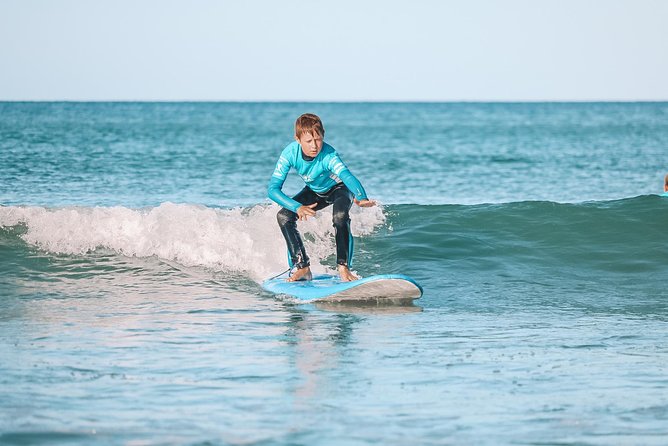
Beginner lessons often fail for a simple reason: people don’t have the right gear, or they spend time figuring it out mid-session. This one avoids that mess by including everything you need.
You get:
- Surfboard
- Leash
- Wetsuit
- Rash shirt
- Sunscreen
That matters because surf gear affects comfort and safety. If you’re cold, you tighten up and your technique suffers. If you’re under-equipped, your confidence drops. With a wetsuit and rash shirt included, you can focus on learning instead of improvising.
The included sunscreen is a small detail, but it’s a real comfort win. Auckland sun can surprise you, especially when you’re focused on the water and not thinking about exposure.
The lesson also offers a useful reminder: you’re not required to bring much besides yourself. That makes it easier to fit into a travel day.
You can also read our reviews of more tours and experiences in Auckland


What to wear and what to bring (so you don’t fight logistics)
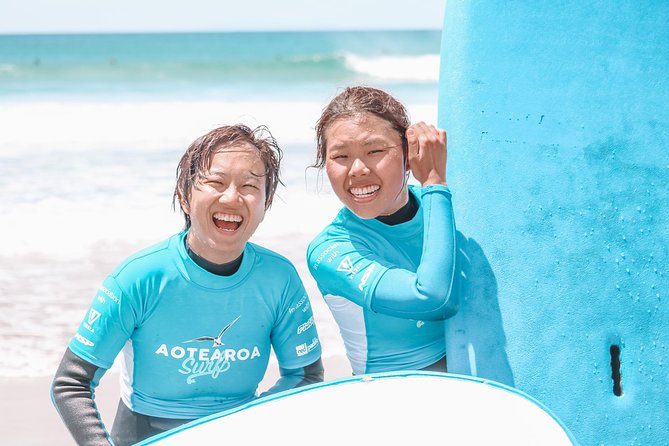
The tour includes wetsuit and rash shirt, plus sunscreen. That means you can travel light on surf clothing. Still, plan for a few essentials:
- A swimsuit you’re comfortable wearing under a wetsuit
- Towel for drying off after the water
- Water and a snack if you’re hungry between the start and end time
Also, expect a moderate physical effort. You’ll paddle, balance, and get in and out of the surf zone. If you’re recovering from an injury or you hate getting tired in cold water, you might want to think twice or talk to the operator before booking.
Who this surf lesson fits best
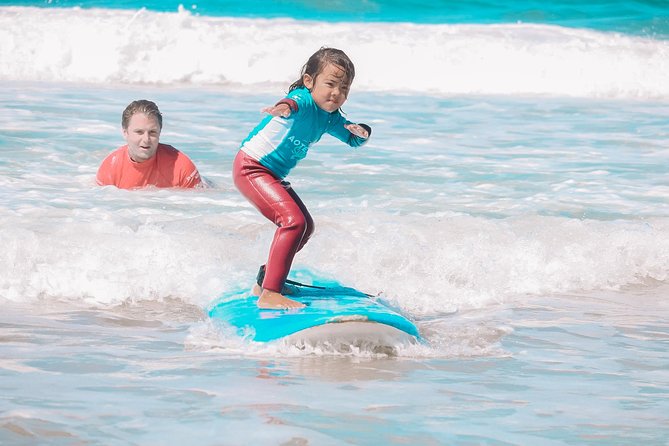
This private lesson is a strong match for:
- Complete beginners who need safety, positioning, and step-by-step technique
- People who can already paddle and balance a bit, but want cleaner takeoffs and better riding
- Families and groups that want consistent coaching rather than a crowded class
- Travelers who value one-on-one instruction and a paced plan built around their ability
It’s also flexible with the kind of people it serves. In past experiences with this school, instructors like Lee and Andrew have worked with both adults and kids, including young learners like Sebastien. That suggests the team can handle different attention spans and learning styles.
One more practical note: it’s private, so only your group participates. If you like having personal space and clear coaching feedback, that alone can make the whole day feel smoother.
Price and value: is $126.67 per person fair for this lesson?
Let’s talk value. $126.67 per person for a private 2-hour surf class is not a bargain price, but it also isn’t out of reach for what you get.
You’re paying for:
- Qualified, experienced instruction
- A structured skills plan (safety, paddling, getting out, timing, popup, riding)
- All required equipment
- Sunscreen
- Taxes and fees included
In surf, time matters. A lesson like this is less about “being near the water” and more about getting corrections while your body is still in the learning zone. When you’re paying for private time, you’re buying feedback you can apply right away.
You’re also saving money and hassle by not having to rent equipment elsewhere. Even if you already own a board, you still likely need the wetsuit and leash, and beginners often underestimate how much those comfort choices affect performance.
If you’re a first-timer, the value is usually strongest because you get the safety and fundamentals you’d otherwise learn the hard way.
Weather and expectations: when the ocean changes the plan
This experience requires good weather. If conditions aren’t right, you’ll be offered a different date or you can get a full refund. That’s important because a surf lesson isn’t just a fun activity; it’s also a safety setup.
One interesting detail from real past sessions is that groups have rated this experience 10/10 even during a stormy tropical storm. That doesn’t mean you should expect dramatic weather on your trip day. It does mean the operator seems used to making the best call when conditions shift.
My advice: check conditions close to your lesson time, and be ready for the possibility of rescheduling if the ocean isn’t cooperating.
Photos and the small extras you might want
Souvenir photos of yourself are not included. If you want them, you can purchase them.
That’s a good setup for value-conscious travelers. You’re not paying for a photo package you might not want. If you end up riding more than you expected, you can decide later.
Should you book this Auckland private surf lesson?
Book it if you want a clear path from first-time uncertainty to standing rides. The lesson structure is practical, the coaching is one-on-one, and the gear is handled for you. If you like learning by doing and getting quick corrections, you’ll likely feel progress fast.
Pass or consider a different option if you can’t commit to moderate physical effort, or if you’re tightly schedule-dependent and you’ll have trouble with weather-related rescheduling. Also, if you hate being in the ocean at all, you might find the safety and getting-out instruction more intense than you want.
For most people visiting Auckland’s East Coast, this is the kind of activity that turns a beach day into a real skill. You leave with technique, not just sand stuck to your wetsuit.
FAQ
Where is the meeting point for the surf lesson?
You’ll meet at 708 Te Arai Point Road, Te Arai 0975, New Zealand. The activity ends back at the meeting point.
How long is the surf lesson?
The surf class is 2 hours, and the total experience duration is approximately 2 hours 30 minutes.
Is this lesson suitable for complete beginners?
Yes. It’s designed for complete beginners, especially at a beach along Auckland’s East Coast, and it can also be tailored to people who already surf.
Is equipment included?
Yes. The lesson includes all required equipment: surfboard, leash, wetsuit, and rash shirt, plus sunscreen.
Will I get one-on-one instruction?
Yes. This is a private lesson, so it’s taught with one-to-one tuition from a qualified instructor for your group.
What skills does the instructor teach during the lesson?
The lesson covers safety, equipment design, positioning, paddling technique, ocean awareness, getting out the back, timing & takeoff, mastering the popup, and riding waves.
What happens if the weather is poor?
This experience requires good weather. If it’s canceled due to poor weather, you’ll be offered a different date or a full refund. You can cancel up to 24 hours in advance for a full refund.