REVIEW · AUCKLAND
Glass Bottom Boat Tour
Book on Viator →Operated by Glass Bottom Boat · Bookable on Viator
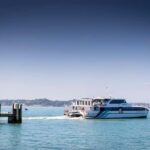
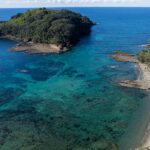
Goat Island’s underwater world comes into focus fast from a glass-bottom boat. This is a simple, scenic way to see fish up close in New Zealand’s Goat Island Marine Reserve, without getting wet. Two things I really like are the easy family-friendly format (kids usually can’t stop watching through the glass) and the fact that a licensed guide helps you notice what you’d otherwise miss.
One thing to keep your expectations realistic: fish sightings can vary day-to-day based on tides and sea conditions, since this is an open marine reserve with animals that move in and out naturally.
In This Review
- Key takeaways before you go
- Goat Island Marine Reserve, but make it easy from the glass
- Getting to Leigh and where the tour actually happens
- One hour at sea: how the timing fits real life
- Stop 1: 50 minutes in Goat Island Marine Reserve and what you might spot
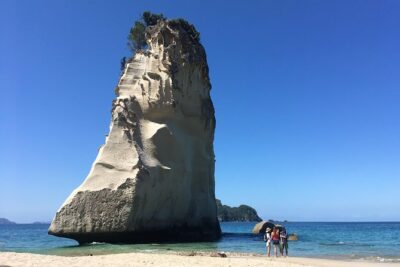
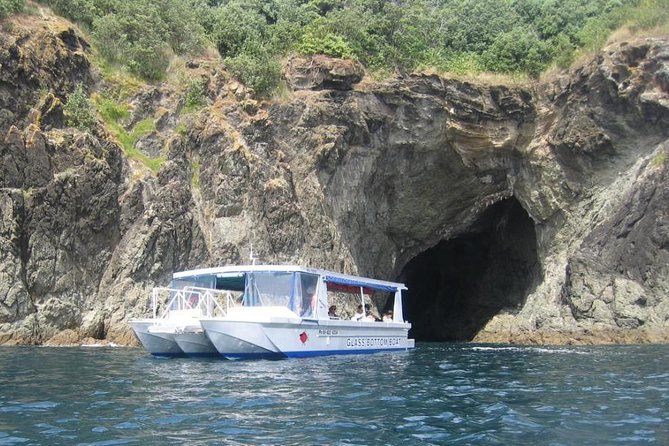
- Stop 2: the back-of-Goat-Island caves and the famous Key Hole
- What makes this tour feel worth it for families
- Price ($31.83) and value: where the money goes
- Weather, tides, and why some days look different
- What to bring (and what to leave out) for a smoother boat ride
- Who should book this glass-bottom boat tour
- Should you book it or pick another activity?
- FAQ
- Is the tour one hour or longer?
- Where does the glass-bottom boat tour start?
- How much does it cost?
- What’s included in the ticket?
- Is there food or coffee available on the boat?
- How many people are on the boat?
- What marine life can you see at the reserve?
- Are caves part of the tour, and can you reach them any other way?
- What happens if weather is poor?
- Do I need to book a separate ticket for the marine reserve?
Key takeaways before you go
- Glass viewing area for close-up marine life without the splash
- Open marine reserve means sightings change daily with tide and weather
- Caves by boat include the famous Key Hole, not accessible on foot
- Great for kids who love spotting sea creatures from a comfortable seat
- Offshore views from the cruise, including Little Barrier Island
Goat Island Marine Reserve, but make it easy from the glass
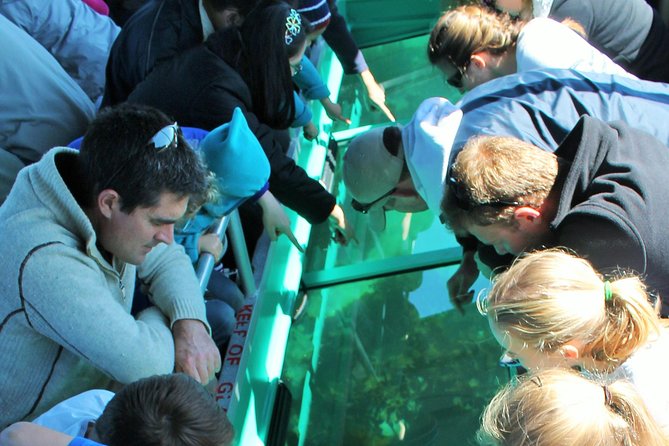
If you like wildlife, this tour is a strong match because it turns the tricky part—underwater spotting—into something you can do from a boat. The whole point is that the viewing area lets you watch fish close-up while you stay dry. No fins. No snorkel gear. Just eyes on the glass.
Goat Island Marine Reserve is a big reason the experience feels special. It’s an open reserve, meaning there are no barricades keeping marine life in or out. Translation: the underwater cast changes. Some days you’ll see more of one group (like rays or schooling fish). Other days it’s more about the slower-moving life—kelp, sponges, and anemones. That variability can be annoying if you’re hunting a specific animal, but it also means the tour never feels like a video someone plays on repeat.
You can also read our reviews of more boat tours in Auckland
Getting to Leigh and where the tour actually happens
This tour starts and ends at Goat Island Marine Reserve, Leigh 0985. You’ll want to plan your own way from Auckland (or wherever you’re coming from) to Leigh. The Goat Island and Matakana area is described as an easy half-day trip north of Auckland city, which matters because this fits neatly into a larger Auckland stop rather than stealing your whole day.
Because the meeting point is tied to Goat Island itself, you won’t spend your hour stuck in traffic from one end of the region to the other. That’s a real value point: your ticket time stays focused on the marine reserve.
One hour at sea: how the timing fits real life
Plan for about 1 hour total. The tour is paced in two chunks:
- Around 50 minutes at the marine reserve area for marine-life spotting from the glass
- About 10 minutes cruising to the back of Goat Island to see the caves
That structure is good if you want an activity you can do without turning your day into a production. It’s also helpful for families: kids tend to do better with short, clear segments rather than “all day on the water.”
The boat max is 49 travelers, so you should expect a normal-group atmosphere rather than a private outing. You’ll still have a chance to look down into the glass viewing area, but you’ll want to position yourself early if you’re the person who likes the best angle.
Stop 1: 50 minutes in Goat Island Marine Reserve and what you might spot
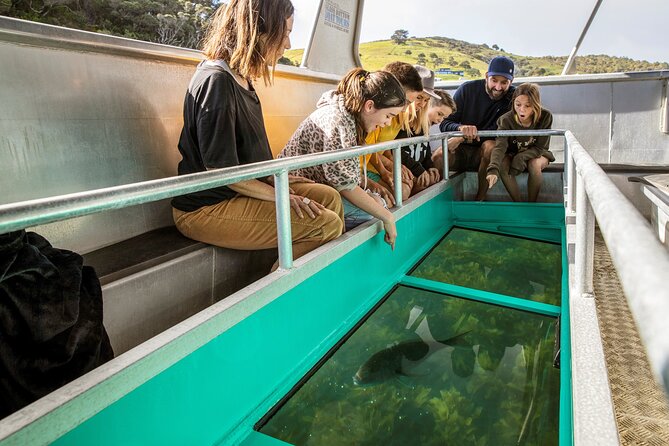
This is the main event. You’ll cruise inside the Goat Island Marine Reserve area and watch through the glass viewing area. Since it’s an open reserve, the guide’s job is part “marine biology translator,” part “spotting coach,” helping you connect what you’re seeing (or not seeing) to how the reserve works.
Here’s the kind of life the reserve can hold, and it’s a big reason this tour appeals to both casual visitors and repeaters:
Fish you might see
- Snapper (including giant snapper)
- Blue maomao
- Parore
- Red moki
- Goatfish
- Leather jackets
- Sweep
- Silver drummer
- Spotties
- Hiwihiwi
- Marble fish
- Eagle rays
- Stingrays
Sometimes the sightings get bigger: the tour information notes you may even see dolphins, orca, whales, and seals. On a practical level, that’s a reminder to keep looking even if the first few minutes feel quiet. Underwater animals aren’t lined up on a schedule.
Underwater life beyond fish
If fish aren’t the star of your moment, the reserve still has plenty to look at:
- Kina
- Kelp and seaweeds
- Sponges
- Anemones
This matters because it helps you enjoy the tour even on a low-fish day. You’re not just staring for one target species; you’re learning a whole living system.
Birdlife you can notice too
From the surface, the tour notes possible birds like Pied Shags, Red-Billed and Dominican Seagulls, Blue Penguins, Reef Herons, Terns, Gannets, and Petrels. Even if the glass is your main focus, it’s nice when the guide helps you connect what’s happening above and below the water.
A good way to enjoy this stop is to treat it like a slow scavenger hunt. Watch the glass for movement, then let your eyes rest on the underwater plants and rock life. Both are part of the story.
Stop 2: the back-of-Goat-Island caves and the famous Key Hole
After the main reserve time, the cruise shifts toward the caves. This is where the tour adds a “wow” factor that doesn’t rely on perfect underwater visibility.
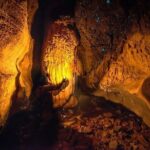
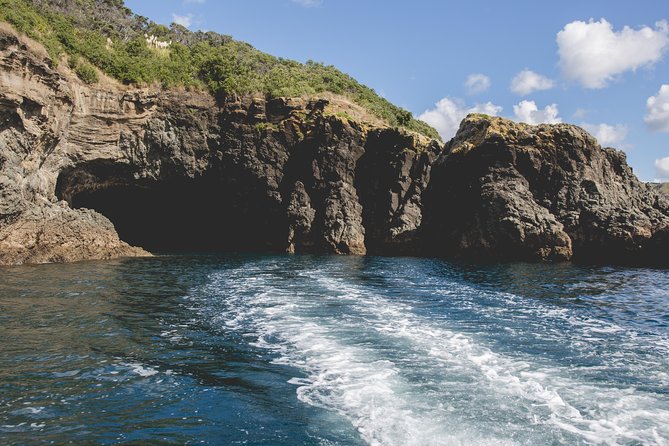
You’ll cruise to the back of Goat Island and look at caves, and the tour notes that few people can experience them because they’re only accessible by boat. That’s a big deal: you’re not just passing scenery; you’re getting access to places most visitors can’t even reach on their own.
A highlight here is the famous Key Hole. The short time block (around 10 minutes) means you’ll want to be ready to look as soon as the guide cues it. Caves move fast in boat time—once you’re past, you’re past.
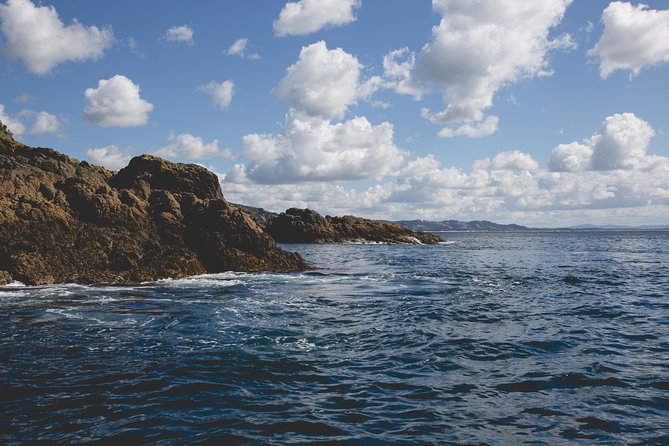
You’ll also get dramatic views from the water, and the broader tour overview mentions seeing other offshore islands such as Little Barrier Island. Even on a cloudy day, the coastline-from-sea feeling tends to land well because caves and islands create strong shapes and depth.



What makes this tour feel worth it for families
Kids love this style of marine viewing because it removes two friction points: getting wet and understanding what you’re looking at. The boat’s glass viewing area gives them a direct view, and the guide’s presence helps connect sea creatures to names and roles.
If you’re traveling with younger kids, this is the kind of activity that keeps everyone busy without a ton of energy. You’re sitting, watching, listening, and occasionally pointing. That’s often the difference between a “cool idea” and an outing that actually works.
Also, the tour is positioned as suitable for most travelers, with service animals allowed. That’s useful if you need to plan around real-world travel needs rather than a rigid “only able-bodied visitors” setup.
Price ($31.83) and value: where the money goes
The price is $31.83 per person, and the value comes from a few concrete things you’re getting in one hour:
- A licensed guide
- Access to the Goat Island Marine Reserve viewing experience
- The glass-bottom boat format that lets you see underwater without gear
- Time spent on both reserve wildlife viewing and cave cruising
For many people, the cost feels reasonable because you’re not paying extra for a separate guide or separate underwater equipment. You’re buying a guided, protected way to experience the reserve’s underwater life.
That said, you’ll get the most value if you’re willing to enjoy whatever the ocean offers that day. If you’re expecting a guaranteed list of animals, you’ll feel frustrated. If you’re open to the living system—fish, rays, kelp, sponges, and an occasional big surprise—this is the kind of ticket that can outperform your expectations.
Weather, tides, and why some days look different
This tour is marked as requiring good weather. That’s not just a comfort rule; it’s tied to how marine life moves and how well you can see beneath the surface.
Because the reserve is open and animals shift with conditions, fish counts can change even if everything else goes smoothly. The tour info also notes that sea conditions affect movement through the reserve. So if you arrive on a day with calmer visibility and more movement, you may feel like the glass is “alive.” Another day might show less fish but more focus on plant life like kelp and seaweeds, plus the slower critters such as anemones and sponges.
The practical takeaway: this is one of those tours where being patient is part of the package. Give it time. Watch across different angles of the glass. And don’t write off the experience if the first few minutes are quiet.
What to bring (and what to leave out) for a smoother boat ride
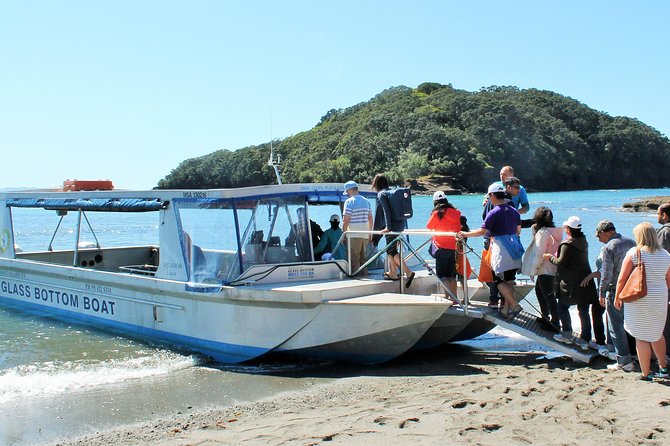
The tour rules state that no food or drink other than water is allowed on the boat, and there are no facilities at the Goat Island Marine Reserve. Translation: keep snacks out, plan to eat elsewhere, and bring water if you’re allowed to (the tour notes water is allowed).
You’ll also want to dress for a boat setting: bring layers if the air feels cool near the water, and wear shoes you feel confident standing in and out of the boat. The tour itself is easy, but you’re still going to a coastal environment where weather can shift.
Since there’s no need for snorkel gear or wet suits, you’re traveling light. That’s a plus when you’re doing this as part of a busy Auckland-area schedule.
Who should book this glass-bottom boat tour
This is a smart pick if you:
- Want an easy way to see marine life without swim gear
- Travel with kids who enjoy animals and visuals
- Prefer short, well-paced activities that fit into a half-day plan north of Auckland
- Like wildlife experiences where the “show” can change day-to-day
It’s also a good choice for people who want to spend time on the water and appreciate caves and offshore views, not just underwater fish.
If you’re the kind of traveler who needs a guaranteed animal checklist, you may find it tougher. The reserve’s openness is a feature, not a flaw—but it does mean sightings aren’t controlled.
Should you book it or pick another activity?
I’d book this tour if you want a low-effort, high-interest introduction to New Zealand’s marine life around Goat Island. The hour-long format is easy to fit, the glass-bottom viewing adds real value, and the caves (including the Key Hole) give you a second type of scenery beyond fish.
I’d think twice if you’re going specifically for one rare sighting and can’t handle day-to-day changes. On a calm, clear day you’ll likely feel thrilled. On a quieter day, you’ll still be learning about the reserve through plants, invertebrates, and the general ecosystem.
FAQ
Is the tour one hour or longer?
The tour is listed as lasting about 1 hour.
Where does the glass-bottom boat tour start?
The meeting point is Goat Island Marine Reserve, Leigh 0985, New Zealand, and the tour ends back at the same meeting point.
How much does it cost?
The price is $31.83 per person.
What’s included in the ticket?
The ticket includes a licensed guide.
Is there food or coffee available on the boat?
No food or drink other than water is allowed on the boat, and coffee or tea is not included.
How many people are on the boat?
The tour has a maximum of 49 travelers.
What marine life can you see at the reserve?
The information lists possible fish such as snapper (including giant snapper), blue maomao, parore, red moki, goatfish, leather jackets, sweep, silver drummer, spotties, hiwihiwi, marble fish, eagle rays, and stingrays. It also notes possible marine life like kina, kelp, seaweeds, sponges, and anemones, plus birdlife such as Pied Shags and Blue Penguins.
Are caves part of the tour, and can you reach them any other way?
Caves are included, and the tour notes they’re only accessible by boat, which is why few people experience them. The famous Key Hole is mentioned.
What happens if weather is poor?
The tour requires good weather. If it’s canceled due to poor weather, you’ll be offered a different date or a full refund.
Do I need to book a separate ticket for the marine reserve?
The tour information shows admission ticket free for the marine reserve stops.