REVIEW · AUCKLAND
Full-Day Grand Auckland Volcanoes Tour
Book on Viator →Operated by Voltours Limited · Bookable on Viator
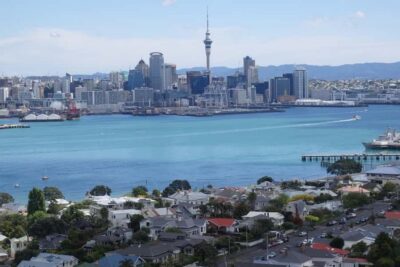
Volcanoes run the show in Auckland. This full-day tour strings together the craters, lava coast, and fortress tunnels that most city walks miss, with panoramic views of the Waitemata Harbour. I like that it’s real geology in real locations, not a lecture in a classroom.
Second, I love the way the day links volcanic features to people and place—Maori settlement stories, early British contact, and why Auckland’s shape looks the way it does. Your guide is Mike (Voltours Limited), and his explanations stick because he keeps you looking outward as he talks.
One thing to weigh: it’s a 10-hour day with lots of walking, including uphill crater paths. Bring solid, enclosed shoes and expect a workout, even when the views are great.
In This Review
- Key things to know before you go
- Why Auckland’s volcanoes make more sense than the usual city tour
- Small-group timing: pickup, minivan rides, and how the day really feels
- The morning crater circuit: Achilles Point, Mt. Wellington, Mangere Mountain
- One Tree Hill and Mt. Eden: the viewpoints that make Auckland click
- Lunch in Auckland City: keep it flexible and close to your plans
- Lake Pupuke to Takapuna Beach: volcanic explosion crater meets old lava coast
- North Head Historic Reserve: tunnels, guns, and a fortress inside volcanic rock
- Devonport and the Mt. Victoria option: houses, ferry time, and extra views
- Price and value: what you get for $179.97 and how to make it worth your time
- What to bring and how to prep for Auckland’s crater day
- Who should book this full-day volcano tour (and who should consider the half-day)
- Should you book the Grand Auckland Volcanoes Tour?
- FAQ
- What time does the full-day tour start?
- How long is the tour?
- Where do I meet for the tour?
- Does the tour include port pickup and drop-off?
- How many people are on the tour?
- Is there a lunch stop?
- Are food and drinks included?
- What kind of walking should I expect?
- What’s the weather like for this tour?
- Are service animals allowed?
Key things to know before you go
- Small group size (max 11) keeps the day flexible when walking gets steep or slippery.
- Pickup and drop-off make it straightforward if you’re starting at Auckland Central or arriving by cruise.
- Many short stops (instead of one long slog) means you’ll see more volcano variety without rushing through everything.
- Crater walks and optional entries add “choose-your-own-level” adventure at a few sites.
- A lava-coast sequence near Takapuna Beach includes unusual features like tree moulds and lava tubes.
- North Head Historic Reserve adds a different angle: military tunnels and guns built into a volcanic setting.
Why Auckland’s volcanoes make more sense than the usual city tour
Most Auckland sightseeing is about water, neighborhoods, and skyline angles. This tour flips that. You spend the day watching volcano forms—crater rims, domes, lava flows—and then you connect those shapes to the city’s harbors and settlement history.
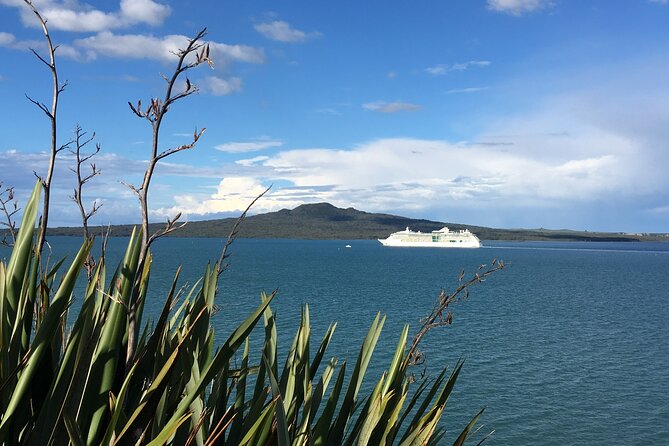
That unusual perspective is the payoff. From Achilles Point, you look across volcanic islands in the Hauraki Gulf; later you’re walking around crater country on the mainland. If you’ve ever wondered why Auckland feels “volcanic” without shouting it, the tour answers fast.
The other big plus is context. You’re not just seeing rocks—you’re getting a human story alongside the geology, including early Maori settlement themes and later British contact at one of the prominent viewpoints.
You can also read our reviews of more tours and experiences in Auckland

Small-group timing: pickup, minivan rides, and how the day really feels
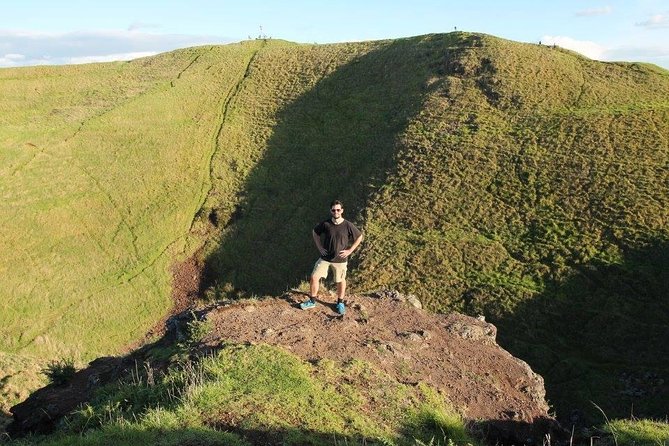
The tour runs about 10 hours, starting at 8:00am. You meet at 148 Quay Street, Auckland Central, and you end back at the same starting point. If you’re arriving by cruise, the port pickup and drop-off is built for that rhythm.
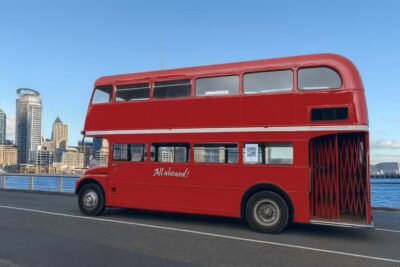
You’ll travel by minivan and then do lots of walking on top of it. The stops are frequent enough that you’re not stuck in one long, monotonous segment. Still, your boots matter: crater paths and uneven ground show up more than once.
Group size stays small (up to 11). In practice, that means it’s easier to pause for photos, ask questions, and choose alternate viewpoints when a section feels too steep.
The morning crater circuit: Achilles Point, Mt. Wellington, Mangere Mountain
The day’s first stop is Achilles Point, with standout harbor views. You’ll look out toward volcanic islands in the Hauraki Gulf, including Rangitoto and Motukorea, plus a view back toward the city. There’s also a strong story element here about early Maori settlers and how they arrived and lived in the region.
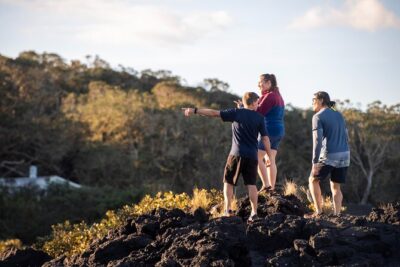
From there you head to Mt. Wellington. This is where the tour turns from “look at volcanoes” into “walk on volcanoes.” You’ll go to a crater near the peak of a 10,000-year-old volcano and get an intro to the Auckland Volcanic Field. There’s an option to enter the steep-sided crater, which is great if you want your visit to be more hands-on (and if you’re comfortable with steep, uneven steps).
Next is Mangere Mountain, another crater stop with walking around the volcanic features. You’ll learn about the large Maori settlement connected to this volcanic area, plus you’ll get views toward Manukau Harbour. This is a good checkpoint in the morning because it shows how the volcanic system isn’t just one “mountain.” It’s a whole network.
Two practical tips for the morning:
- Wear shoes you can trust on short, rocky uphill sections.
- Bring a water bottle mindset, even if water isn’t guaranteed at every stop.
One Tree Hill and Mt. Eden: the viewpoints that make Auckland click
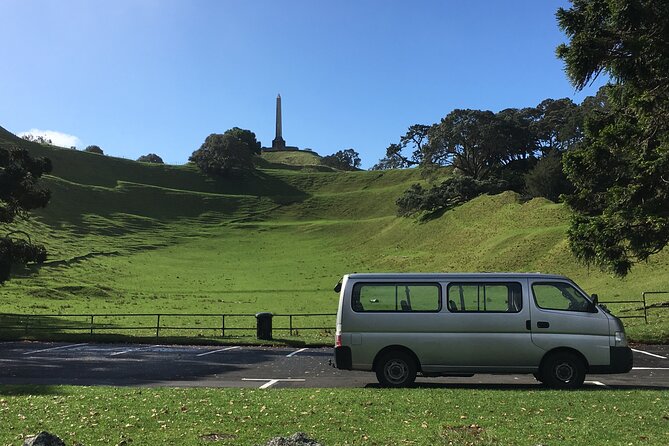
After the crater circuit, the tour sets you up for big “map in your head” views.
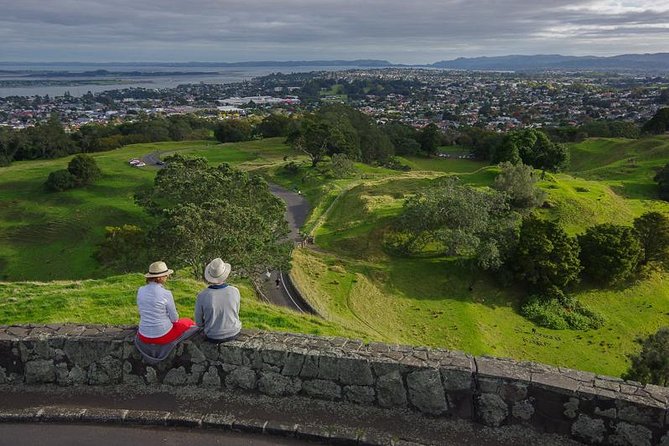
At One Tree Hill (Maungakiekie), you’ll enjoy the viewpoint while your guide connects the location to a slice of New Zealand history, focusing on early interaction between British and Maori. Then you drive around Cornwall Park, seeing more volcanic craters from the road. This stop works well if you like your geography with a side of human context.
Then you get to Maungawhau / Mount Eden. This is a crater-walk classic, and the summit views are part of why people remember Auckland from this tour. You’ll walk around the crater and take in city and surrounding volcano perspectives from up high. If you want the moment where Auckland’s volcanic nature becomes obvious at a glance, this is one of the best places to aim for it.
Walking here can be more demanding than it looks. The crater rim paths can feel steeper than expected, and it’s easy to move a little too fast when the views are pulling at your attention. Slow down, watch your footing, and you’ll enjoy it more.
Lunch in Auckland City: keep it flexible and close to your plans
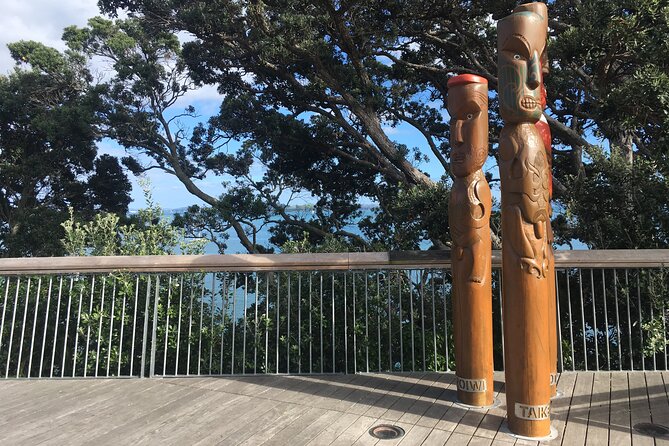
There’s a lunch break in Auckland City with 1 hour on your own. The site stop is flexible: you can choose a location that matches your energy level and appetite.
Because food and drinks aren’t included, this part is your chance to control value. Pick something simple and quick if you still feel your legs, or choose a sit-down meal if the day’s your “slow down and enjoy” day.
This lunch window also helps you reset. When you’re walking around craters and then looking out over harbors, you’ll appreciate the chance to recharge—especially if your photo-taking turns into full-on skyline strategy.


Lake Pupuke to Takapuna Beach: volcanic explosion crater meets old lava coast
After lunch, the tour shifts to two very different “volcano in everyday life” scenes.
First: Lake Pupuke. This is a fresh-water lake that sits where a huge volcanic explosion crater formed. It’s a short stop, but it’s memorable because the scenery is calm compared to what you’ve been walking on. It helps you understand how volcano activity can create new water bodies and change how people use a place later.
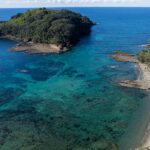
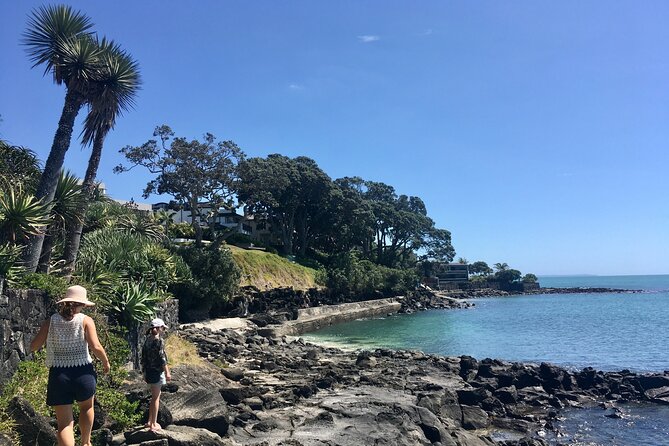
Then you head to Takapuna Beach for the lava coast. You’ll explore old lava flows near the shoreline and see features like tree moulds and lava tubes. That mix of geology terms and real-world visuals is part of the appeal here. You’re not stuck with a single type of volcanic formation.
There’s also an optional beach walk segment, so you can match effort to your comfort level. If the wind is up, keep your camera ready and shorten the stroll. If the weather is mild, this is one of the best parts for lingering.
North Head Historic Reserve: tunnels, guns, and a fortress inside volcanic rock
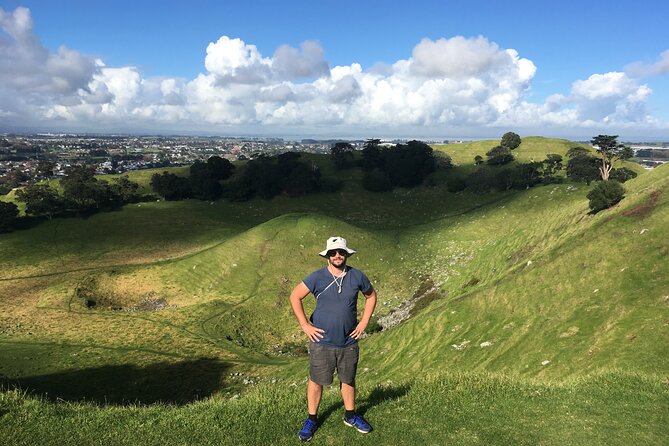
One of the strongest “non-crater” chapters of the day is North Head Historic Reserve. Here, the volcano story comes through again, but in a different form: British military fortifications built into a volcanic setting.
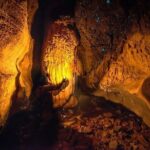
You’ll explore tunnels and see guns, then do an easy walk around the periphery of the volcano area. This is a smart change of pace if your legs are tired from steep crater paths earlier. It also adds variety in what you’re photographing: not just slopes and skylines, but engineered spaces carved into volcanic ground.
From what you can expect on this stop, plan on using your time for two things:
- Looking outward for harbour and city angles.
- Looking inward (tunnels and structures) to connect the fortification to the geology.
It’s also a good reminder that volcanic landforms weren’t just “spectacle.” People built on them.
Devonport and the Mt. Victoria option: houses, ferry time, and extra views
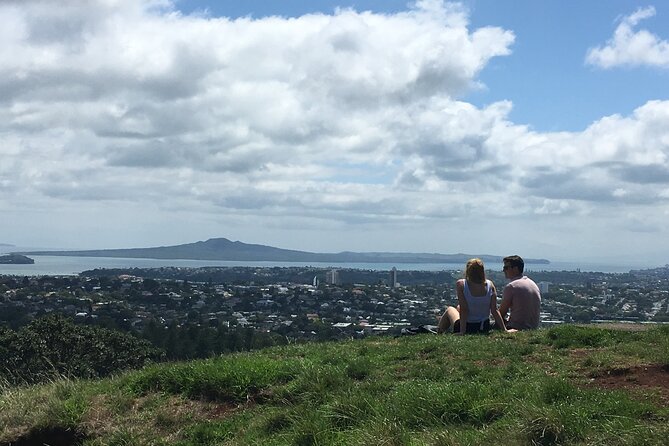
The tour then heads toward Devonport, known for its historic houses and harbour-town feel. Even if you don’t do extra walking, you’ll get the sense of how this side of Auckland plays with water and views.
There’s an optional chance to walk up toward Mt. Victoria, which sits above the area with dramatic city views. If you’d rather not climb, you can often adjust to your comfort level and still catch the highlights.
At the end, you’re driven back across the Auckland Harbour Bridge to your hotel area. There’s also an option to stay in Devonport and take the ferry back into the city, which can be a nice way to end the day by switching from land views to water views.
If you’re the type who hates uncertainty, ask your guide how the return is timed for your day. The tour gives options, and the “best” one depends on traffic and weather.
Price and value: what you get for $179.97 and how to make it worth your time
At $179.97 per person, this isn’t a budget snack tour. It’s a full-day, small-group outing with several things that add up.
First, you’re paying for the structure: pickup and drop-off, minivan transport between sites, and tight sequencing of major volcanic locations. Second, many stops include admission tickets, which matters because it cuts down the time and hassle of figuring out what you need on your own.
Third, the tour saves you from “volcano fatigue.” Auckland has volcanic features spread across the city. Doing them solo would take planning and driving and still might miss some of the less obvious sites—especially the lava coast and the North Head tunnels.
Where you can improve the overall value:
- Plan your lunch near your preferred dining style so the hour doesn’t feel rushed.
- Bring snacks if you know you get hungry between stops, since food and drinks aren’t included.
What to bring and how to prep for Auckland’s crater day
This tour runs in all weather conditions, so dress appropriately. That doesn’t mean it’s a mud-wallowing contest every time, but it does mean you should assume wet patches and changing wind.
Bring:
- Comfortable enclosed walking shoes (you’ll want traction on crater paths and uneven ground).
- A light rain layer or shell.
- Sunscreen and sunglasses—harbour viewpoints can hit hard even when the day feels cool.
- A camera with extra battery, because the views come often.
Also plan your pace. Some stops include optional crater entry or optional beach or summit walking. Choose the option that matches your energy and balance. The tour works best when you treat steep sections as “doable,” not “a race.”
Who should book this full-day volcano tour (and who should consider the half-day)
This full-day tour is a great fit if you want:
- Auckland’s volcanoes with walkable access rather than only viewpoints from the road.
- A mix of geology and cultural/historical storytelling linked to real places.
- A day that includes both nature and built structures like North Head tunnels and guns.
It may feel like too much if you:
- Hate uphill walking or have balance issues on uneven ground.
- Want minimal walking and mostly “sit and watch” sightseeing.
- Prefer food included in the price and zero planning at lunchtime.
One more practical note: seating can feel tight in a small van when the group is full. If you’re tall or carry bulky daypack gear, keep your bag compact and be ready for close quarters.
Should you book the Grand Auckland Volcanoes Tour?
If you like scenery with explanations and you’re okay with a legs-on day, I’d book this. It’s one of the more efficient ways to understand why Auckland looks the way it does—craters, lava flows, harbor islands, and a fortification all tied to volcanic ground.
You should also book if you’re visiting with limited time and want a long list of “Auckland’s must-see” views without switching to separate tour companies. Pickup, small group size, and included admissions help it feel complete for the money.
If you’re unsure because of walking intensity, consider your comfort level honestly. You’re not just walking between viewpoints—you’re walking around crater rims and along uneven volcanic terrain. If you can handle that, you’ll get far more from the day than a skyline selfie loop.
FAQ
What time does the full-day tour start?
It starts at 8:00am.
How long is the tour?
The duration is about 10 hours.
Where do I meet for the tour?
You meet at 148 Quay Street, Auckland Central, Auckland 1010.
Does the tour include port pickup and drop-off?
Yes. The tour includes port pickup and drop-off, which is especially helpful for cruise passengers.
How many people are on the tour?
The maximum group size is 11 travelers.
Is there a lunch stop?
Yes. There is a 1-hour lunch break in Auckland City, and you choose a place to eat.
Are food and drinks included?
No. Food and drinks are not included.
What kind of walking should I expect?
You should plan for moderate physical fitness, with lots of walking, including uphill and crater-area paths.
What’s the weather like for this tour?
It operates in all weather conditions, so dress appropriately. The experience also depends on good weather and may be rescheduled or refunded if canceled due to poor weather.
Are service animals allowed?
Yes. Service animals are allowed.