REVIEW · AUCKLAND
Auckland: Flavours of the City Walking Food Tour
Book on GetYourGuide →Operated by The Big Foody Ltd · Bookable on GetYourGuide
Auckland smells like coffee and sea air, then you eat your way through it. This 3-hour walking food tour turns central Auckland into a practical, story-filled bite-by-bite guide, with local cheeses, award-winning restaurant plates, Kiwi classics, artisan chocolate, and a cold local drink. I like that it’s not just food; it’s food with context, so you understand where the city’s tastes come from. One watch-out: it’s a walking tour and isn’t suitable for mobility impairments, so comfortable shoes and a willingness to move matter.
You’ll meet at street level in the heart of the CBD and follow your guide through the downtown highlights, from the foreshore area toward the oldest parts of Auckland. Guides getting praised by name include Alex, Clare, Laura, Jono, Elle, Sarah, Mark, and Cath/Kath, and the common thread is how they link what you’re eating to what you’re seeing around you. The tone stays friendly and conversational, and the pacing is designed so you can still make plans for dinner after.
In This Review
- Key Things I’d Prioritize Before You Go
- Auckland in 3 Hours: The Walking Pace That Makes This Work
- Where You’ll Start: Quay Street, To Komititanga Square, and the Clock
- The Food Lineup: What You’ll Actually Taste (And Why It’s a Good Mix)
- How the Guide Turns a Walk Into a Meal Map
- Stop-by-Stop Logic: What Each Part Feels Like
- Foreshore to the Early City: Start With the Sense of Place
- CBD Eating, Restaurant Craft: Where “Local” Gets Upgraded
- Kiwi Classics, Reworked: Familiar Comfort With a New Zealand Angle
- Dessert and Chocolate: The Sweet Finish Line Arrives Before the End
- Cold Local Drink and Closing Tips: Leaving With a Food Map
- Price and Value: Is $122 a Fair Deal?
- Who Should Book (And Who Should Skip)
- Practical Tips That Make the Whole Thing Better
- Should You Book Flavours of the City Food Tour?
Key Things I’d Prioritize Before You Go
- Meet at the iSite on Quay Street, near the clock in To Komititanga Square—show up about 10 minutes early so you don’t cut it close.
- Expect multiple food styles, not just one cuisine: local cheeses, Kiwi classics with variations, restaurant dishes, and artisan chocolate.
- History is part of the route, with stories that connect the foreshore to older sections of the city.
- You’ll get enough to skip a big lunch, with the option to save room for dinner later.
- Tour guides tend to be active hosts, with plenty of Q and A, dining tips, and city pointers.
- Portions are food-tour sized but not huge, so if you’re a heavy eater, plan to top up after.
Auckland in 3 Hours: The Walking Pace That Makes This Work

This tour is built for the downtown core. It’s not an all-day slog, but it is enough walking that you’ll earn your tastings. You cover highlights of the central business district and nearby areas, moving from the foreshore zone toward the oldest parts of the city. That matters because you get more than a restaurant crawl—you get a sense of how Auckland’s built environment and food culture grew side by side.
The 3-hour timing is also smart for logistics. You’re finishing close to where you started, so you’re not stuck far from your hotel when you’re done. It’s the kind of activity that fits a “first morning in town” or a “let’s get oriented” slot between sightseeing plans.
If you’re bringing energy, you’ll love it. If you’re carrying a sore knee or you need step-free access, you should skip this one since it’s listed as not suitable for people with mobility impairments. Even if you’re generally mobile, bring comfortable shoes and plan for typical city sidewalks.
You can also read our reviews of more walking tours in Auckland


Where You’ll Start: Quay Street, To Komititanga Square, and the Clock
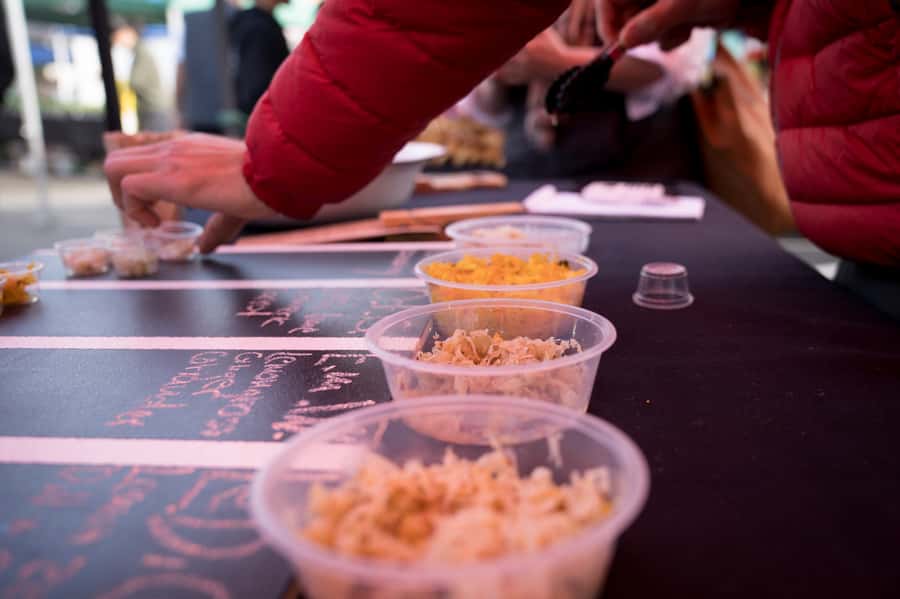
Your meeting point is clear: outside the iSite at 188 Quay Street, with the guide wearing a badge. The tour also references the clock in To Komititanga Square outside the Railway Station, and in practice that puts you right at the downtown doorstep where it’s easy to gather.
I like this kind of meeting spot. It’s public. It’s central. It’s not tucked inside a maze of side streets where you can lose time.
Do arrive around 10 minutes early. You’ll likely spend a few minutes confirming your group and settling before the first tasting.
The Food Lineup: What You’ll Actually Taste (And Why It’s a Good Mix)

This is the core reason to book. The tastings are grouped around a simple idea: Auckland’s best food is a mix of local ingredients, restaurant craft, and Kiwi comfort foods that have evolved.
Here’s what you should expect in the tour flow:
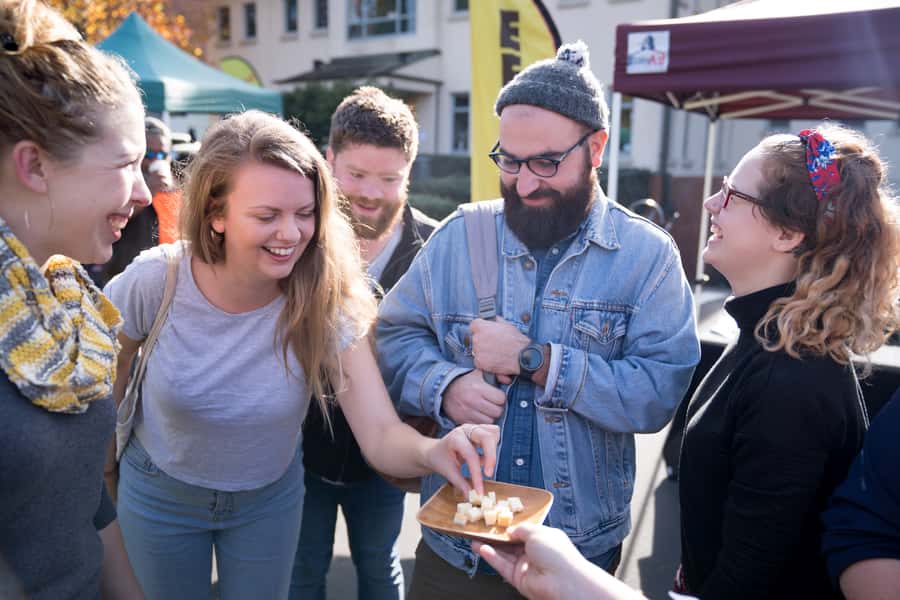
- Local cheeses
Cheese is a great opener because it sets a distinctly New Zealand baseline without getting too heavy. It also gives you something to talk about with other people on the walk, since cheese styles and pairings can spark good conversation.
- Award-winning restaurant dishes
You’re not just eating “whatever is convenient.” The tour is designed to take you into established eateries with strong reputations, so you taste food that’s been refined for real diners—not just tour groups.
- Variations on Kiwi classics
Kiwi classics can mean meat-and-root-veg comfort, seafood, or other familiar flavors, but the tour places emphasis on variations. That’s the difference between a gimmick and a genuine food introduction: you recognize the idea, then you learn the twist.
- Artisan chocolate
Chocolate is your reset button. It also helps you sample a local craft item without needing a full dessert meal.
- A cold local drink
The tour explicitly includes a glass of something cold and local. It’s a nice pacing tool too—something refreshing partway through a tasting walk.
The result is variety without chaos. You’re getting local-first flavors, plus restaurant polish, with dessert and a drink woven in.
How the Guide Turns a Walk Into a Meal Map
A big part of the appeal is the way the guide explains what you’re seeing while you’re eating. You’ll hear stories about the city’s development and how Auckland’s food culture connects to its past and present. The tour frames this as moving through the city’s journey “from start to present day,” with stops designed to match that theme.
This is also where the named guides in the reviews really matter. People repeatedly highlight guides like Clare, Alex, Laura, Jono, Elle, Sarah, and Mark for blending city stories with food facts. The practical benefit for you is that you leave the tour understanding where to go next—what neighborhoods are worth exploring, and what types of food match what you liked on the walk.
A few other helpful patterns from reviews:
- Guides are often praised for making the group feel at ease and for sharing extra local tips.
- Some guides go beyond the tour route with recommendations for where else to eat.
- There’s a running theme of humor and friendliness, which keeps the energy up even when you’re doing steps between stops.
One small consideration: one review notes a guide had a softer voice, so you might miss a bit if you drift away from the group. If you want the stories, stay within earshot and don’t lag behind.
Stop-by-Stop Logic: What Each Part Feels Like
You don’t get a “now we’re going to Restaurant A, then Restaurant B” schedule in the basic description, so I think about the tour in stages instead. That helps you set expectations without expecting exact addresses for every bite.
You can also read our reviews of more food & drink experiences in Auckland



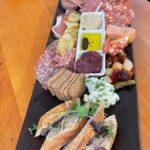


Foreshore to the Early City: Start With the Sense of Place
You begin in central downtown near the station area, then work through a route that’s framed from the foreshore toward older sections of Auckland. Early in the tour, tastings tend to work like orientation tools: flavors that anchor the rest of the experience.
I like this approach. If you’re arriving with jet lag, you’re not just looking at buildings. You’re tasting your way into the city’s identity.
CBD Eating, Restaurant Craft: Where “Local” Gets Upgraded
As you move through the downtown core, the tour leans into restaurant dishes—places you’d likely not pick quickly on your own if you were hungry and trying to keep moving. Several reviews specifically mention a variety of cuisines and the sense that the stops are run by real local businesses.
This part matters for value. A good food tour isn’t about quantity. It’s about picking spots that raise your odds of having one great meal after another, with context for what makes those flavors work.
Kiwi Classics, Reworked: Familiar Comfort With a New Zealand Angle
Mid-tour, the emphasis on Kiwi classics (with variations) is where many people start feeling fully satisfied. You get the comfort of flavors that feel recognizable, then you learn how Auckland chefs adapt them—based on local ingredients, immigrant influences in the wider food scene, and the city’s modern tastes.
If you’re the type who likes to taste widely, this stage is often the bridge between adventurous and comforting.
Dessert and Chocolate: The Sweet Finish Line Arrives Before the End
You should expect artisan chocolate at some point. One review also mentions that two dessert stops showed up in the middle of the tour. Even without assuming every group has the same flow, the overall message is clear: the tour is not shy about sweetness.
If you’re watching sugar, pace yourself. If you love dessert, this is a plus.
Cold Local Drink and Closing Tips: Leaving With a Food Map
The tour tops off with a glass of something cold and local. Then you’re done near the start area, which makes it easy to continue your day.
One of my favorite outcomes from tours like this is that you walk away with practical “next steps.” Reviews mention people using guide tips later for dining and sightseeing, which is exactly the point of doing a tour early in your trip.
Price and Value: Is $122 a Fair Deal?
At $122 per person for a 3-hour guided walking experience, you’re paying for three things at once:
- the time and labor of a live guide,
- tastings at multiple stops (not just samples, but multiple courses worth of eating),
- and the advantage of access to specific restaurants and local experts.
This isn’t a cheap “snack walk.” It’s closer to paying for a guided tasting meal across several venues. I think it’s good value if you fall into one of these categories:
- You’re new to Auckland and want a fast orientation to where to eat.
- You enjoy restaurant-quality bites more than street-food-only grazing.
- You like city stories and want context, not just food lists.
If you’re extremely budget-driven, or you’re the kind of eater who wants big portions at every stop, you may want to plan your other meals carefully. One review points out portions tend to be smaller because the food is more gourmet—still filling for many people, but not a heavy lunch replacement for everyone.
Who Should Book (And Who Should Skip)
This tour is a great fit if:
- You want to see the downtown area while eating,
- You like local cheeses, Kiwi classics variations, and artisan chocolate,
- You enjoy hearing how places got their reputation, not just what they serve,
- You want an easy social format (some reviews mention solo travelers felt comfortable, and some groups are small).
It’s less ideal if:
- You have mobility limits. The tour is explicitly not suitable for mobility impairments.
- You can’t do a moderate walking session.
- You need quiet. This is a group walking experience, and the best stories happen when you’re engaged.
Practical Tips That Make the Whole Thing Better
A few small moves can make this kind of tour feel effortless:
- Wear comfy shoes and dress for weather. You’ll be outside and walking.
- Don’t overpack your day. Plan a lighter schedule before or after so you can enjoy the full pace.
- Come hungry, not starving. The tastings are meant to be enough food, but they’re not unlimited.
- If you have food allergies or intolerances, flag them early. One review specifically mentions accommodation for allergies, which suggests it’s possible, but you should still communicate clearly.
- Stay close enough to hear the guide. If you drift to the back, you might miss details that add value.
Should You Book Flavours of the City Food Tour?
If you’re visiting Auckland for a few days and you want an easy way to understand the city through food, I’d say book it. The tour hits a sweet spot: 3 hours, lots of walking without being extreme, and tastings that cover local ingredients plus restaurant-quality dishes. The biggest reason to choose this one is how the guide ties food to Auckland’s story, which helps you feel confident exploring on your own afterward.
Skip it if mobility access is a concern or if you need very large portions at every stop. Otherwise, it’s an excellent “get oriented and get fed” activity that makes the CBD feel personal fast.