REVIEW · AUCKLAND
Auckland : Rotorua Living Maori Village with Haka and Hangi Lunch
Book on Viator →Operated by Expedigo Tours and Travels Auckland · Bookable on Viator
Geothermal steam meets real Māori living culture. This Auckland-to-Rotorua day trip takes you to Whakarewarewa—a living Māori village—where Tūhourangi Ngāti Wāhiao hosts guide you through bubbling mud pools, steaming vents, and geyser areas before a hāngī lunch and haka performance.
I especially like two things: the connection to people who live the culture day-to-day, and the fact that the tour also gives you a guided Rotorua snapshot afterward. Having a local guide born and raised in the village makes the stories feel grounded in real life, not a performance setting. And after the village, you’re driven through key sights like Government Gardens and Sulphur Point, so you leave with a clearer sense of Rotorua.
One caution: it’s a long, early day. You start at 6:00 am and spend a big chunk of time on the road (around 3 hours 15 minutes each way), so it’s best if you’re okay with getting up early.
In This Review
- Key things to know before you go
- Auckland to Rotorua in one long day: early start, guided comfort
- Whakarewarewa Living Māori Village: a geothermal village with living hosts
- Mud pools, steaming vents, and geyser areas: what you’re really seeing
- Haka and cultural performance: making it respectful and real
- Hāngī lunch and dessert cooked with natural steam
- Rotorua highlights by guided driving tour: Government Gardens, Lake Rotorua, Sulphur Point, Museum
- Price and logistics: where the $232.71 goes
- Who this tour is for (and who might want something else)
- Should you book this Auckland to Rotorua Māori village tour?
- FAQ
- FAQ
- How long is the Auckland to Rotorua day trip?
- Where does the tour start?
- Is hotel pickup included?
- What’s the main stop during the day?
- What do I get during the cultural portion?
- What Rotorua sights are included after the village?
- What’s included in the ticket price?
- Is there a cancellation option if my plans change?
- Is the group small?
Key things to know before you go
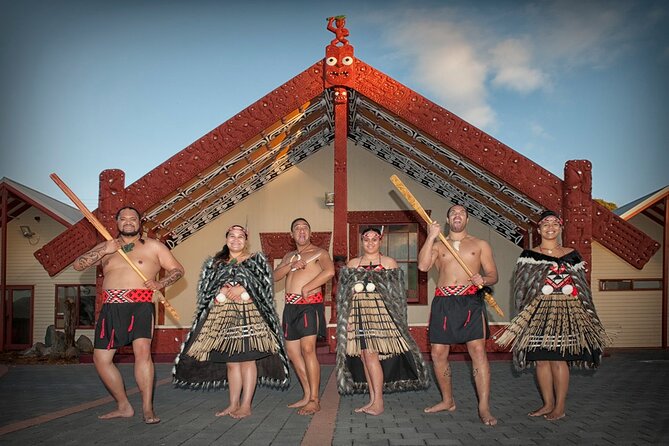
- Small group size (max 11): easier questions, more personal pacing during the village portion.
- Whakarewarewa is truly living: you learn how the community relates to geothermal energy.
- Geothermal walking trails: you’ll see bubbling mud pools, steaming vents, and geysers up close.
- Haka plus hāngī meal: the cultural program isn’t just a talk; you also get the performance and food.
- Rotorua highlights by car: Government Gardens, Lake Rotorua, Sulphur Point, and Rotorua Museum are included.
Auckland to Rotorua in one long day: early start, guided comfort
This tour is built for travelers who want Rotorua without the stress of renting a car or planning a full multi-day route. You meet in Auckland Central with an early start time of 6:00 am, and then you’re transferred in an air-conditioned vehicle to Rotorua. The ride is scenic, but it’s also long—expect roughly 3 hours and 15 minutes, and there’s another similar stretch back in the afternoon.
The practical part I like: the tour includes bottled water and snacks, plus all fees and taxes. That means you’re not constantly searching for a place to buy something during a tight schedule. It also helps that the group is capped at 11 travelers, which matters on long travel days—your guide can keep the timing smooth and handle questions without feeling rushed.
You’ll also get a mobile ticket, which is convenient on early mornings when you don’t want to juggle paperwork. And since pickup is offered, you can usually avoid the hassle of getting to a distant meeting point on your own.
You can also read our reviews of more tours and experiences in Auckland
Whakarewarewa Living Māori Village: a geothermal village with living hosts
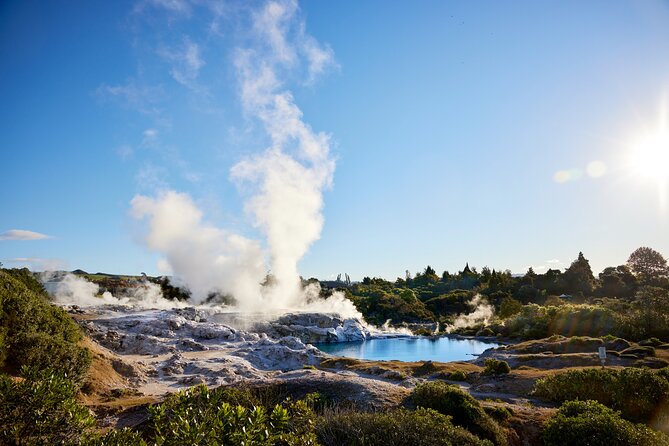
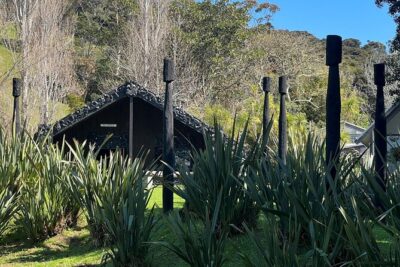
The heart of the day is Whakarewarewa, described as a living Māori village where community life connects directly to geothermal forces underground. You don’t just view geothermal features from a distance. You move through village areas on guided trails while local Tūhourangi Ngāti Wāhiao hosts explain how people live alongside steam, heat, and natural activity.
This is where the tour earns its price tag, in my view. A strong guide can turn a list of sights into a story you remember. One thing I’d watch for during your visit is the guide’s tone and the way the information ties together everyday living, local knowledge, and place-based meaning. In the experience, locals lead you through village life and show how the geothermal environment shapes daily routines and community practices.
I also appreciate that the tour is guided throughout the village portion. It’s not a walk where you’re left to figure things out alone. The guiding is especially important here, because the geothermal landscape is also connected to Māori history and mythology. If you like culture that’s explained in context—how people relate to the land, not just when something happened—you’ll likely enjoy this part a lot.
Mud pools, steaming vents, and geyser areas: what you’re really seeing
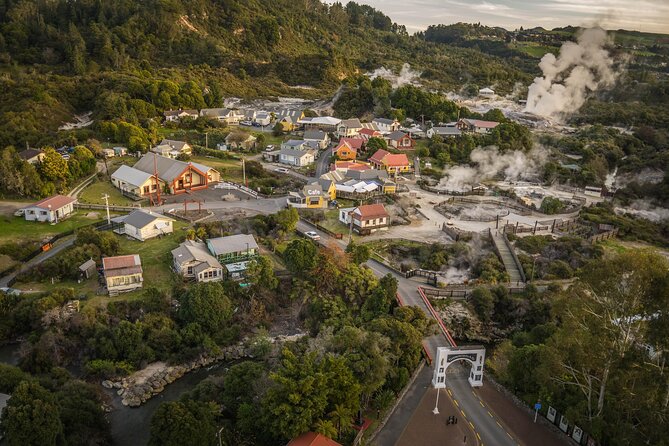
At Whakarewarewa, the sights are not abstract. You’ll stroll past bubbling mud pools, steaming vents, and areas described as spouting geysers. The tour frames these geothermal features as more than nature effects. You’re given the local perspective on how these forces are understood and woven into Māori stories, and how the community lives in harmony with geothermal activity.
Here’s the value for you: geothermal parks can feel like a science stop—cool, but separate from people. This tour tries to link the geothermals to the human side. That’s what makes the walk different from just taking photos.
A practical note: this is a walking tour, so plan for time on your feet. Steam and geothermal activity can mean uneven or damp ground in places, so I’d stick to comfortable walking shoes and be ready for a slow, guided pace. You’re not out to “power hike” this. You’re here to look, listen, and follow the group.
Haka and cultural performance: making it respectful and real
After the village walk and guiding, you’ll experience a powerful haka and a cultural performance. This is often the moment people remember most, because it’s physical energy, sound, and presence—much harder to reduce to a few facts than a museum-style exhibit.
To get more out of the show, treat it like you’re entering a moment with rules: pay attention to the guide’s cues, keep your focus during the performance, and don’t turn it into a casual background activity. The guide-led pacing is part of what keeps the experience respectful and understandable.
The haka is also a good reminder of why the village visit matters. In many cultural experiences, performances can feel like a separate ticket add-on. Here, the performance comes after you’ve already learned about how the community lives with geothermal forces and place-based meaning. That sequencing helps you understand the performance as part of a bigger cultural whole, not just entertainment.
Hāngī lunch and dessert cooked with natural steam
Once you’ve worked up an appetite, the day delivers one of the best “proofs” of culture: food. At Whakarewarewa, you’ll savour a traditional hāngī meal cooked with natural steam, followed by a sweet dessert.
For many people, this is the easiest part to justify as “value,” because it’s a full meal component included in the program flow. It also gives you a sensory way to remember the day. When the food is cooked using natural steam tied to geothermal activity, it’s more than taste—it’s the same environment showing up on your plate.
A tip that makes the whole day smoother: since breakfast and dinner aren’t included, plan to eat before the 6:00 am start. You’ll likely be running on snacks and the eventual hāngī lunch until later.



Rotorua highlights by guided driving tour: Government Gardens, Lake Rotorua, Sulphur Point, Museum
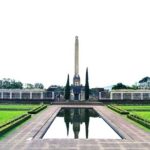
After the village, the tour shifts gears from culture-on-foot to Rotorua’s key sights by car. You’ll enjoy a guided driving tour that includes stops around Government Gardens, Lake Rotorua, Sulphur Point, and the Rotorua Museum.
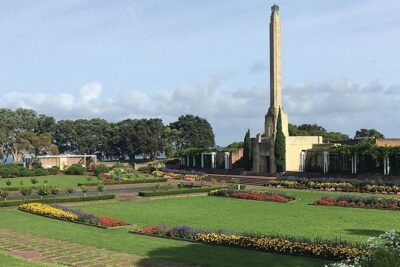
This part is like getting your bearings in a single afternoon. Government Gardens gives you a tidy, scenic break. Lake Rotorua helps you understand the geography that makes Rotorua feel so photogenic and active. Sulphur Point is your geothermal reminder that the area’s steam and sulphur aren’t just background—this is what Rotorua is known for. And the Rotorua Museum rounds it out with context, so the day doesn’t stay only in one mode (performance and food) but also includes a broader sense of place.
One thing to keep realistic expectations about: this driving tour is short compared to the village time. The Rotorua portion is listed at about 30 minutes, so think of it as orientation. You won’t be doing deep research on every stop—you’ll get guided highlights and photos, and then you move on.
Price and logistics: where the $232.71 goes
At $232.71 per person, this tour isn’t the cheapest way to see Rotorua from Auckland. But it’s also not just a ride and a quick stop. The price is paying for several real things: transportation in an air-conditioned vehicle, a guide, bottled water and snacks, and admission for the village experience. The tour also includes the cultural performance and the hāngī lunch program.
Here’s how I’d judge value if you’re deciding between options: ask yourself whether you want a guided, structured cultural experience with local hosts plus a geothermal walking segment plus Rotorua’s highlights in one day. If yes, the cost starts to make sense. If what you want most is freedom to explore at your own pace, you might prefer a slower, self-guided approach.
Also, it’s a popular format—this kind of day trip is booked on average about 48 days in advance. That’s your clue to reserve early if you have firm travel dates, especially if you’re traveling during busier seasons.
Finally, the schedule is the biggest logistic tradeoff. You’re committing to an early start and a long day to fit Auckland-to-Rotorua transfer plus village plus Rotorua stops. If you’re sensitive to fatigue, this might feel like a lot.
Who this tour is for (and who might want something else)
I think this tour is a great fit if you:
- want a guided Māori village experience led by local hosts
- like geothermal places but want the human connection explained
- want a one-day sampler that covers culture, food, and Rotorua’s key sights
- prefer a small group setup (max 11) over large coach crowds
It may be less ideal if you:
- dislike early mornings and long travel days
- prefer unhurried exploration where you can linger at one stop for a long time
- want a more flexible plan where you choose your own pacing for each sight
Still, if you’re the type who likes a full, organized day with a clear flow—departure, guided walking, performance, meal, then a Rotorua highlights loop—this fits that style well.
Should you book this Auckland to Rotorua Māori village tour?
If your goal is an authentic-feeling cultural stop plus geothermal sights in one managed day, I’d say yes, book it. The standout reasons are the living village guidance by Tūhourangi Ngāti Wāhiao hosts and the fact that the experience doesn’t end at photos—you get the haka and the hāngī lunch cooked with natural steam.
Just go in with eyes open about the commitment: it’s a long day starting at 6:00 am, with a lot of driving time. If you can handle that, you’ll come away with a memorable mix of culture, food, and Rotorua’s famous geothermal character.
FAQ
FAQ
How long is the Auckland to Rotorua day trip?
It runs about 11 to 12 hours.
Where does the tour start?
The start time is 6:00 am, with a meeting point in Auckland Central.
Is hotel pickup included?
Pickup is offered.
What’s the main stop during the day?
The main visit is to Whakarewarewa, described as a living Māori village.
What do I get during the cultural portion?
You’ll enjoy a guided village experience, plus a haka and cultural performance, and a traditional hāngī lunch with a sweet dessert.
What Rotorua sights are included after the village?
The guided driving tour includes Government Gardens, Lake Rotorua, Sulphur Point, and the Rotorua Museum.
What’s included in the ticket price?
Included features are an air-conditioned vehicle, all fees and taxes, bottled water, snacks, and a guide (plus admission for the village portion).
Is there a cancellation option if my plans change?
Yes. You can cancel for a full refund up to 24 hours before the experience’s start time.
Is the group small?
Yes. The tour lists a maximum of 11 travelers. Confirmation is received at booking.